




Security Operation Targets Protester Encampments
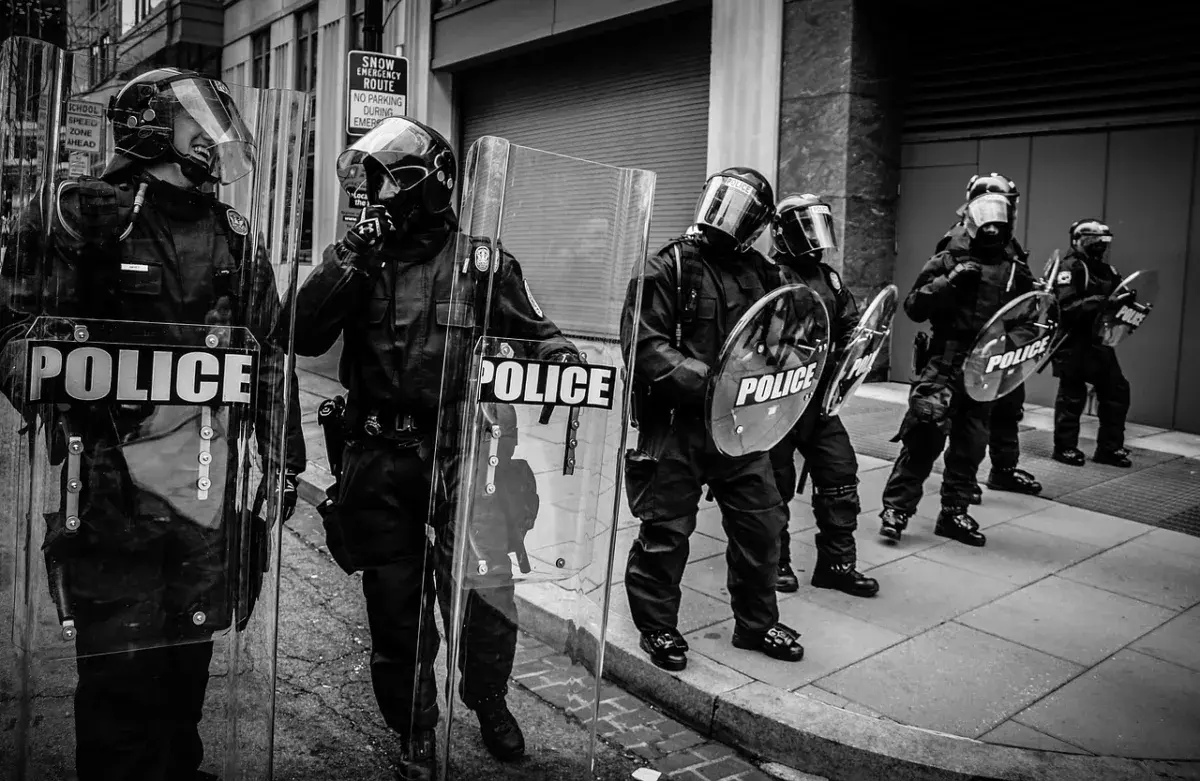
Bolivian security forces, comprising approximately 3,500 soldiers and police officers, launched a coordinated, early-morning crackdown on Tuesday to dismantle strategic roadblocks surrounding the capital city of La Paz. The operation, authorized by the administration of President Rodrigo Paz, aims to restore civilian mobility and supply chains following weeks of intense demonstrations demanding the President’s immediate resignation.
Context of the Escalating Crisis
The current unrest stems from deep-seated dissatisfaction with the Paz administration’s handling of a stagnant economy and rising inflation. Protesters, largely composed of labor unions and rural advocacy groups, have utilized roadblocks as a primary tool of dissent to paralyze transit in and out of the administrative capital. These arterial blockades have disrupted food distribution, fuel deliveries, and medical supply routes, leading to localized shortages throughout the region.
Tactical Execution and Public Response
The sweep began under the cover of darkness, utilizing armored vehicles and tear gas to disperse protestors holding key transit nodes. Government officials stated the operation was necessary to prevent the total isolation of La Paz and to uphold constitutional order. Conversely, protest leaders have characterized the deployment of military forces as an act of state-sponsored intimidation, asserting that their grievances remain unaddressed despite the heavy-handed response.
Expert Perspectives and Economic Impact
Independent economic analysts suggest that the blockade strategy has cost the national economy millions of dollars in daily losses. According to data released by the Bolivian Chamber of Commerce, the disruption of trade routes has impacted export logistics, creating a backlog that could take months to resolve. Security analysts, meanwhile, point to the size of the deployment as evidence that the administration is struggling to maintain control through political dialogue alone.
Implications for Future Stability
The reliance on military intervention marks a significant shift in how the government manages domestic dissent. Observers note that while the state may succeed in clearing the immediate obstructions, the underlying socioeconomic pressures that fueled the protests remain unresolved. The effectiveness of this crackdown will be tested in the coming days as the government attempts to maintain these corridors without triggering further civil unrest.
Looking Ahead
Market watchers and international observers are now focused on whether the administration can initiate a credible dialogue with opposition leadership. If the government fails to offer a viable economic roadmap, analysts expect the protest movement to decentralize and evolve into more unpredictable forms of civil disobedience. Future developments will likely center on the government’s ability to balance security measures with the urgent need for economic stabilization.