The Strategic Chokepoint in Focus
Tehran officials announced this week that they are finalizing plans to impose tolls on vessels passing through the Strait of Hormuz, a move that threatens to disrupt global energy markets as regional hostilities intensify. This development occurs while Israeli military operations continue in Lebanon and Gaza, resulting in dozens of casualties and exacerbating fears of a broader Middle Eastern conflict. The announcement marks a significant escalation in Iran’s response to the ongoing geopolitical instability, directly challenging international maritime transit norms.
Context of the Maritime Corridor
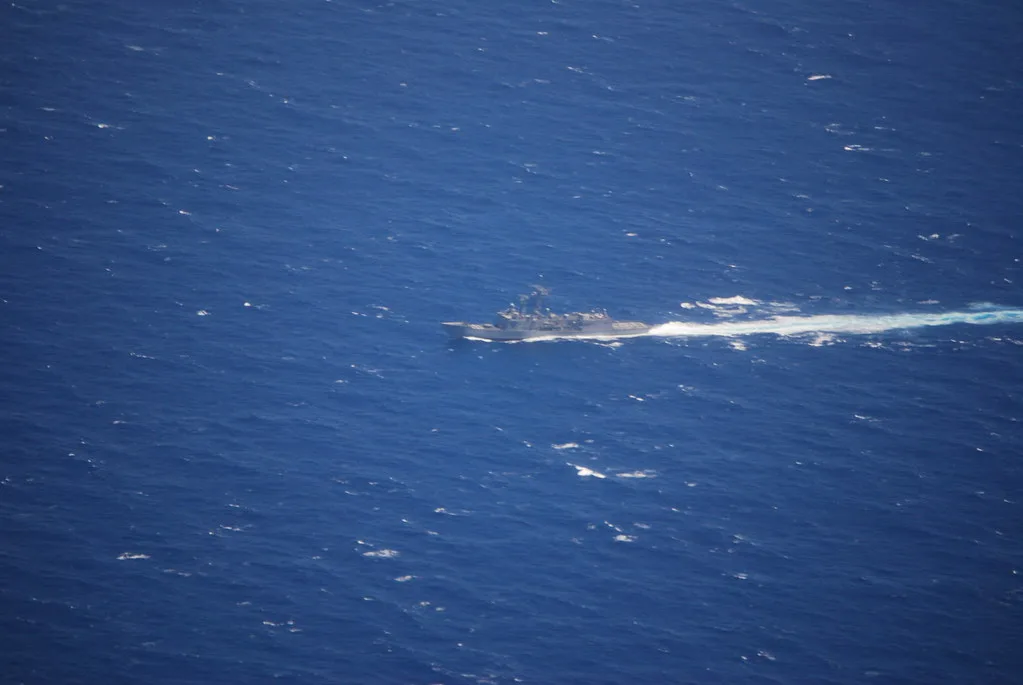
The Strait of Hormuz serves as the world’s most critical oil chokepoint, with approximately 20% of global petroleum consumption passing through its narrow waters daily. Historically, the strait has been a flashpoint for military posturing, with Iran frequently threatening to close the passage in response to Western sanctions or military pressure. The current escalation coincides with a period of heightened friction between Tehran and its regional adversaries, as well as an increasingly assertive stance from the United States regarding the protection of international shipping lanes.
Geopolitical Reactions and Warnings
Former President Donald Trump has issued a stern warning to the Iranian leadership, stating that they face a ‘very bad time’ if they proceed with plans to interfere with maritime traffic. This rhetoric underscores the high stakes for the incoming U.S. administration, which faces pressure to maintain stability in the Persian Gulf without triggering a direct military confrontation. Analysts suggest that the threat of tolls is a calculated signal of Iran’s willingness to leverage its geographical advantages to exert economic pressure on the international community.
Expert Perspectives on Global Trade
Maritime security experts caution that any attempt to enforce tolls or restrict movement would likely trigger an immediate spike in global oil prices and insurance premiums for shipping companies. According to data from the U.S. Energy Information Administration, the disruption of this route could force tankers to seek longer, more expensive alternatives, placing additional strain on an already fragile global supply chain. ‘The mere threat of tolls creates a climate of uncertainty that markets despise,’ noted one independent risk analyst tracking the region.
Implications for the Future
The potential implementation of these tolls raises questions about the future of international maritime law and the enforceability of freedom of navigation in contested waters. Observers are now watching for how the United Nations and major naval powers will respond to these claims, particularly regarding the legality of taxing international waters. Moving forward, the focus will remain on whether Tehran moves beyond rhetoric to physical enforcement, a step that would likely force a rapid, multi-national naval response to secure the passage of commercial vessels.