





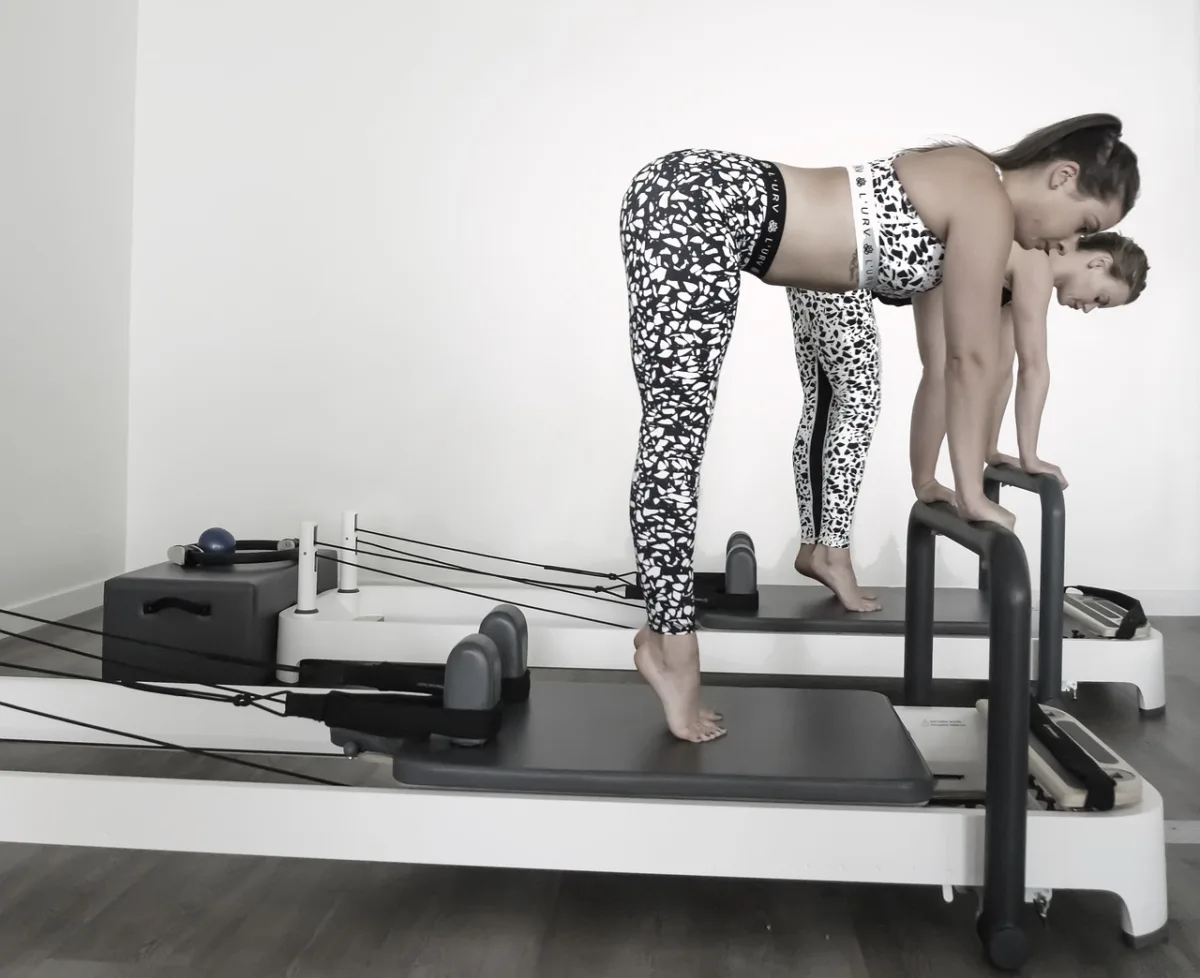
Pilates has surged to the forefront of the global fitness industry in 2024, evolving from a niche rehabilitation method into a high-demand wellness staple across major metropolitan hubs. Originally developed by Joseph Pilates in the early 20th century to assist in the recovery of injured soldiers, the practice is now experiencing a massive cultural resurgence fueled by social media visibility and a consumer shift toward low-impact, sustainable exercise routines.
The Historical Evolution of Pilates
Joseph Pilates, a German physical trainer, designed his system—originally called ‘Contrology’—during World War I. He equipped hospital beds with springs to provide resistance for bedridden patients, laying the foundation for what would eventually become the modern Reformer machine.
For decades, the practice remained largely confined to elite dance studios and physical therapy clinics. It was viewed as a specialized tool for core strengthening and posture correction rather than a mainstream cardiovascular or strength-training alternative.
The Modern Drivers of Growth
The current explosion in popularity is largely attributed to the digitalization of fitness and the rise of boutique studio chains. Platforms like Instagram and TikTok have popularized the ‘Pilates aesthetic,’ characterized by sleek Reformer machines, minimalist studio designs, and precise, controlled movements.
Data from the International Health, Racquet & Sportsclub Association (IHRSA) indicates that boutique fitness studios have seen a 15% increase in membership renewals compared to traditional ‘big box’ gyms over the last two years. Pilates, in particular, has benefited from this trend as users seek exercise that prioritizes longevity and joint health over high-impact intensity.
Expert Perspectives and Clinical Benefits
Physical therapists frequently endorse Pilates for its emphasis on the ‘powerhouse’—the deep abdominal muscles, lower back, and pelvic floor. Unlike high-intensity interval training (HIIT), which can be taxing on the joints, Pilates focuses on eccentric muscle contractions and controlled alignment.
According to a 2023 study published in the Journal of Bodywork and Movement Therapies, consistent Pilates practice shows significant improvements in muscular endurance and psychological well-being. Experts suggest that the mental focus required to execute the precise movements serves as a form of ‘moving meditation,’ which appeals to a demographic increasingly concerned with stress management.
Industry Implications and Market Trends
The fitness industry is responding to this demand by integrating Pilates into mainstream offerings. Large-scale fitness franchises are now investing heavily in dedicated Reformer equipment and instructor certification programs to retain members who are moving away from traditional weightlifting.
Corporate wellness programs are also beginning to subsidize Pilates memberships, recognizing the long-term benefits in reducing work-related back pain and improving employee posture. This shift indicates that Pilates is no longer viewed as a luxury hobby, but as a preventative healthcare measure.
Future Outlook
As the industry continues to evolve, market analysts expect a rise in ‘hybrid’ fitness models that blend Pilates with other disciplines like strength training or yoga. Observers should watch for advancements in home-based smart Reformers, which aim to democratize the practice by bringing high-end equipment into residential spaces at a more accessible price point.