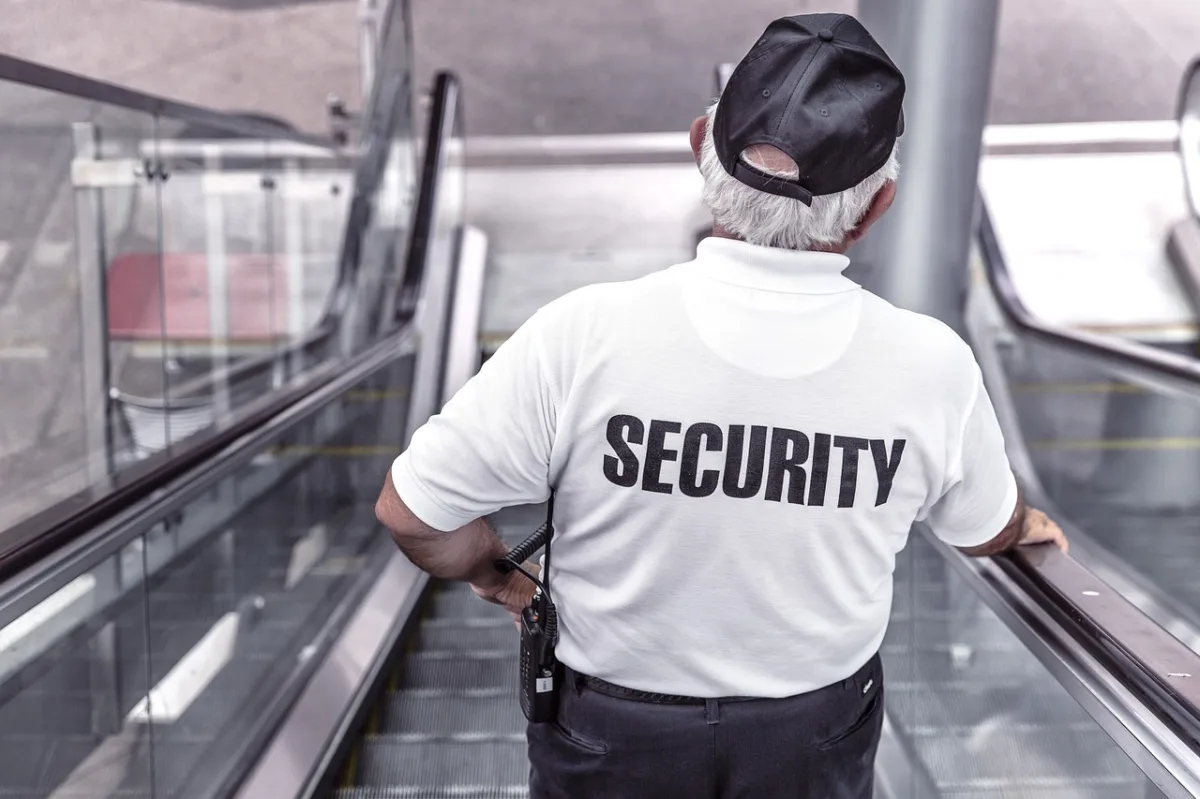
The Board of Control for Cricket in India (BCCI) has issued a stringent new security directive to all ten Indian Premier League (IPL) franchises, mandating strict authorization protocols for visitors entering team hotels. Effective immediately, players and team officials are prohibited from hosting unauthorized guests in their private rooms, with the board citing heightened concerns over security risks and potential honey trap operations.
Context and Security Rationale
The decision comes as the BCCI seeks to fortify the integrity of the world’s most lucrative cricket league. Historically, the IPL has faced various integrity challenges, ranging from spot-fixing allegations to unauthorized access by external parties seeking to compromise players.
By centralizing the approval process through team managers, the board aims to establish a clear audit trail for every individual entering restricted zones. This move aligns with broader international sporting standards where high-profile athletes are increasingly viewed as targets for sophisticated blackmail or information-gathering schemes.
The Mechanics of the New Protocol
Under the new guidelines, any person wishing to access a player’s room must secure written authorization from the designated team manager. This documentation must clearly state the purpose of the visit and the identity of the guest, ensuring that staff can verify credentials before granting entry.
The BCCI has emphasized that security liaison officers will be tasked with monitoring hotel corridors and entry points more aggressively. Any breach of these protocols will be treated as a severe disciplinary violation, potentially leading to immediate sanctions for both the players involved and the hosting franchise.
Expert Perspectives on Sporting Security
Security analysts note that the rapid digitization of sports betting and the rise of social media have significantly increased the vulnerability of professional athletes. According to recent reports from sports integrity units, digital recruitment for compromising activities often begins through social media interactions before transitioning to physical meetings.