





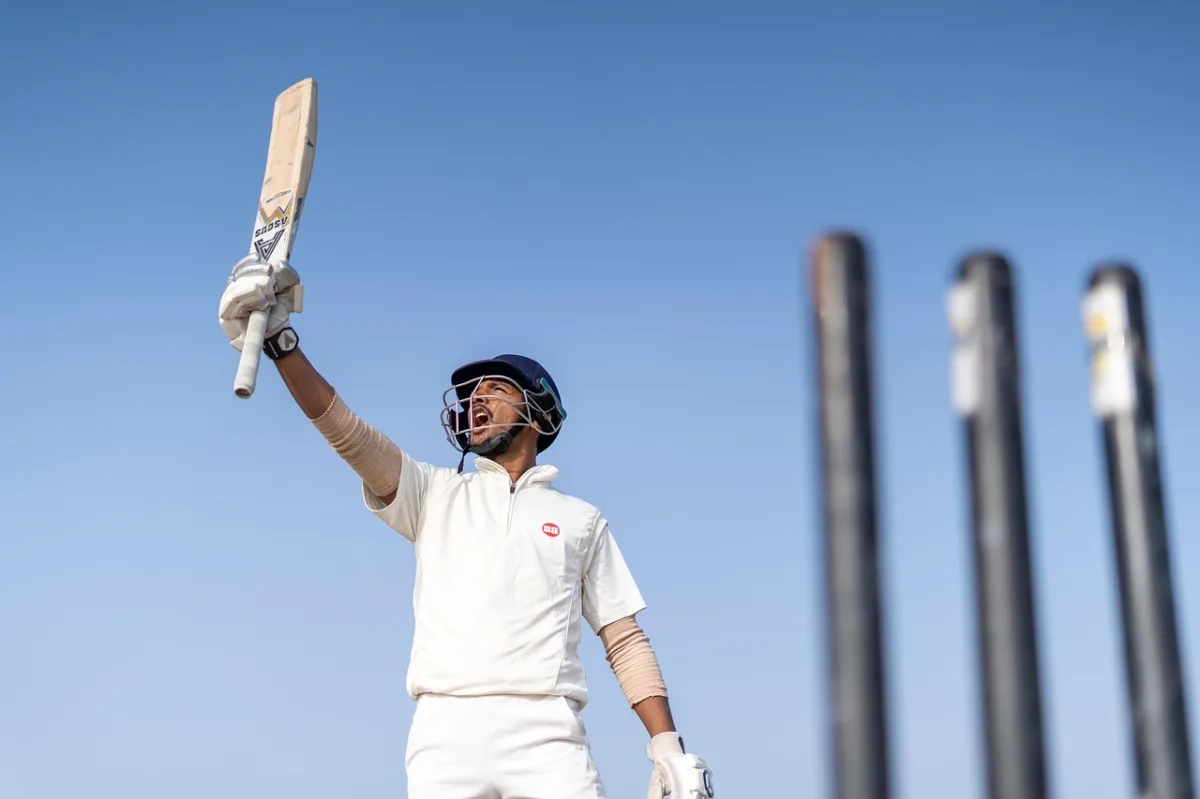
The Board of Control for Cricket in India (BCCI) has officially announced a 15-member India A squad for the upcoming tri-series in Sri Lanka, appointing dynamic middle-order batter Tilak Varma as captain. The selection, unveiled this week, signals a strategic shift toward youth development, with the roster featuring an average age of approximately 23 years.
A Strategic Shift Toward Youth
The squad composition reflects a clear mandate from national selectors to provide high-level international exposure to India’s emerging talent pool. By prioritizing younger prospects, the cricket board aims to build a robust pipeline of players capable of transitioning into the senior national setup.
With the exception of pace bowlers Arshad Khan, Yudhvir Singh, and Yash Thakur—the only members of the squad over the age of 25—the team is composed entirely of prospects in their early twenties. This youthful core is designed to test resilience and technical proficiency in foreign conditions.
The Leadership Role of Tilak Varma
Tilak Varma’s appointment as captain is a significant endorsement of his leadership potential and composure under pressure. Having already established himself in the domestic circuit and limited-overs formats, Varma is expected to anchor the batting lineup while managing a relatively inexperienced bowling attack.
The selection committee has emphasized the importance of grooming leaders who can handle the rigors of multi-format cricket. Varma, who has demonstrated tactical maturity during his time in the Indian Premier League, is viewed as a key figure in the board’s long-term leadership succession planning.
Analyzing the Squad Composition
The decision to lean heavily on youth is supported by recent data from the BCCI’s domestic performance monitoring systems, which suggest that players in the 19-23 age bracket are currently showing high rates of development in technical skill acquisition. By limiting the number of veteran players, the board is forcing younger athletes to take ownership of match situations.
Experts note that this tri-series will serve as a litmus test for the consistency of these young players. While the talent is evident, the transition from domestic level to international-style tri-series competition requires a level of tactical discipline that only match time can provide.
Future Implications for Indian Cricket
For the players involved, this series represents a critical audition for future national team selections. A strong performance in Sri Lanka could fast-track several of these prospects into the senior squad for upcoming bilateral series and global tournaments.
Looking ahead, industry analysts will be watching the performance of the pace battery closely. As the senior national team looks to manage the workload of frontline quicks, the ability of bowlers like Arshad Khan and Yash Thakur to maintain pace and accuracy against international opposition will be a primary metric for the selectors. The success of this youth-centric model will likely dictate the strategy for future India A tours over the next eighteen months.