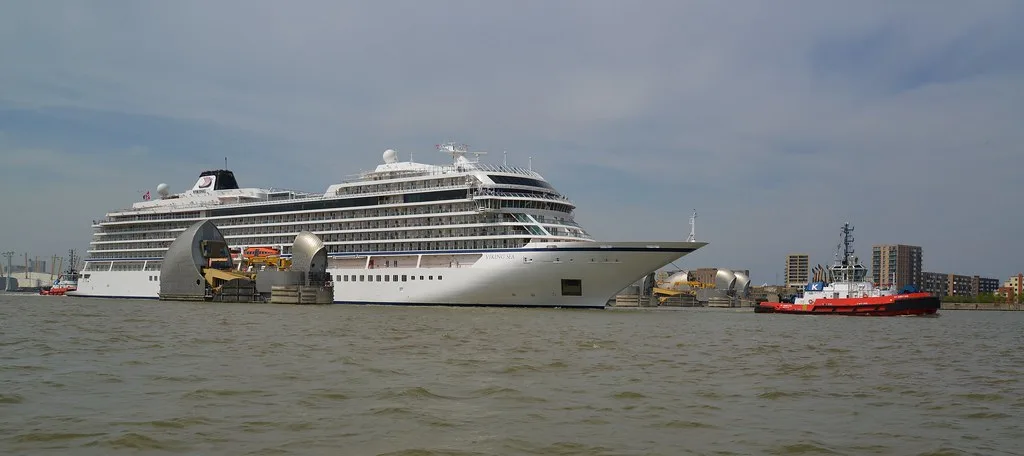
U.S. health authorities are preparing to receive at least 17 passengers from the MV Hondius cruise ship, which is currently en route to the Canary Islands following a deadly hantavirus outbreak on board. Federal officials confirmed this week that a specialized biocontainment unit in Nebraska is being readied for the group’s arrival, which is expected to occur as early as next week, to undergo mandatory isolation and medical monitoring.
Understanding the Hantavirus Threat
Hantaviruses are a family of viruses spread primarily by rodents, leading to severe respiratory or hemorrhagic illnesses in humans. While person-to-person transmission is extremely rare, the confined environment of a cruise ship has complicated containment efforts, raising concerns among international health organizations. Experts note that the virus is typically contracted through contact with rodent urine, droppings, or saliva, making the ship’s sanitation status a critical focus for investigators.
The Logistics of Repatriation
The decision to isolate the passengers in Nebraska highlights the severity of the quarantine measures required for potential hantavirus exposure. The Nebraska facility, known for its high-level isolation capabilities, has previously handled complex infectious disease cases, providing a secure environment for monitoring symptoms. Local authorities in the Canary Islands are working in tandem with international cruise lines to ensure the vessel remains isolated upon arrival, preventing any potential spread to the local population.
Public Resistance and Local Concerns
The approaching vessel has sparked significant unrest among residents in the Canary Islands, who have organized protests near the docking zones. Local community leaders have expressed apprehension regarding the safety protocols in place, demanding transparency from port authorities about the containment of the virus. Protesters are calling for stricter enforcement of health screenings, fearing that even a minor breach in isolation could threaten public health in their densely populated regions.
Expert Perspectives on Containment
Public health experts emphasize that while the situation is alarming, the risk of a widespread outbreak remains low if protocols are strictly followed. Dr. Elena Vance, an infectious disease researcher, states that the primary challenge lies in the long incubation period of the virus, which can range from one to eight weeks. “The priority is to keep these individuals in a controlled environment until we can definitively rule out active infection,” Vance noted during a recent briefing.
Broader Industry Implications
The incident on the MV Hondius is prompting a wider review of medical safety standards within the cruise industry. Industry analysts suggest that cruise lines may soon face increased pressure to implement more robust rodent control measures and enhanced ventilation protocols to mitigate future risks of zoonotic disease transmission. As travel resumes at pre-pandemic levels, the economic impact of such outbreaks could force major changes to standard operating procedures for maritime tourism.
Future Outlook and Monitoring
As the vessel approaches the Canary Islands, observers are closely watching how the transition of passengers to the Nebraska facility is managed. The coming days will be critical in determining whether the virus has spread beyond the initial group and how successfully international health agencies can coordinate a multi-jurisdictional response. Future policy shifts regarding ship sanitation and mandatory health reporting for maritime vessels are expected to be the next major development in this ongoing crisis.