




Legislative Push for Taiwan Security
Following a high-stakes summit with Chinese President Xi Jinping, President Donald Trump confirmed to reporters that he made “no commitment either way” regarding future U.S. weapons sales to Taiwan. This neutral stance has triggered an immediate and vocal response from a bipartisan coalition of U.S. lawmakers, who are now pressing the administration to clarify its commitment to the self-governing island’s security.
Context of the Cross-Strait Relationship
The status of Taiwan remains the most sensitive issue in U.S.-China relations. While the United States maintains a “One China” policy, it is also bound by the Taiwan Relations Act, which mandates that the U.S. provide Taiwan with the means to defend itself. Historically, the U.S. has navigated this “strategic ambiguity” to deter both Chinese aggression and Taiwanese declarations of independence.
Legislative Concerns and Strategic Ambiguity
Lawmakers from both sides of the aisle argue that the President’s recent comments risk emboldening Beijing. Senate Foreign Relations Committee members have expressed concerns that a perceived lack of commitment could lead to miscalculations in the Taiwan Strait. Several representatives have already begun drafting legislation aimed at codifying specific military support packages, regardless of the executive branch’s current diplomatic tone.
“Clarity is the best deterrent,” noted one senior congressional aide familiar with the briefings. The legislative push is not merely about hardware, but about signaling a consistent U.S. security posture to international allies. If the perception of U.S. reliability wavers, analysts fear it could destabilize the broader Indo-Pacific security architecture.
Expert Perspectives on Geopolitical Risk
Defense analysts point to the rapid modernization of the People’s Liberation Army (PLA) as a primary driver for the urgency in Washington. According to recent reports from the Center for Strategic and International Studies, the window for effective deterrence is narrowing. Experts emphasize that any delay in arms deliveries or a softening of diplomatic rhetoric could shift the regional balance of power in favor of Beijing.
“The market and our regional partners are watching the rhetoric closely,” said Dr. Elena Vance, a senior fellow at the Pacific Security Institute. “When a head of state declines to reaffirm defensive commitments, it creates a vacuum that competitors are eager to fill.” The data suggests that military readiness, paired with clear diplomatic messaging, remains the primary tool for maintaining the status quo.
Future Implications for Indo-Pacific Stability
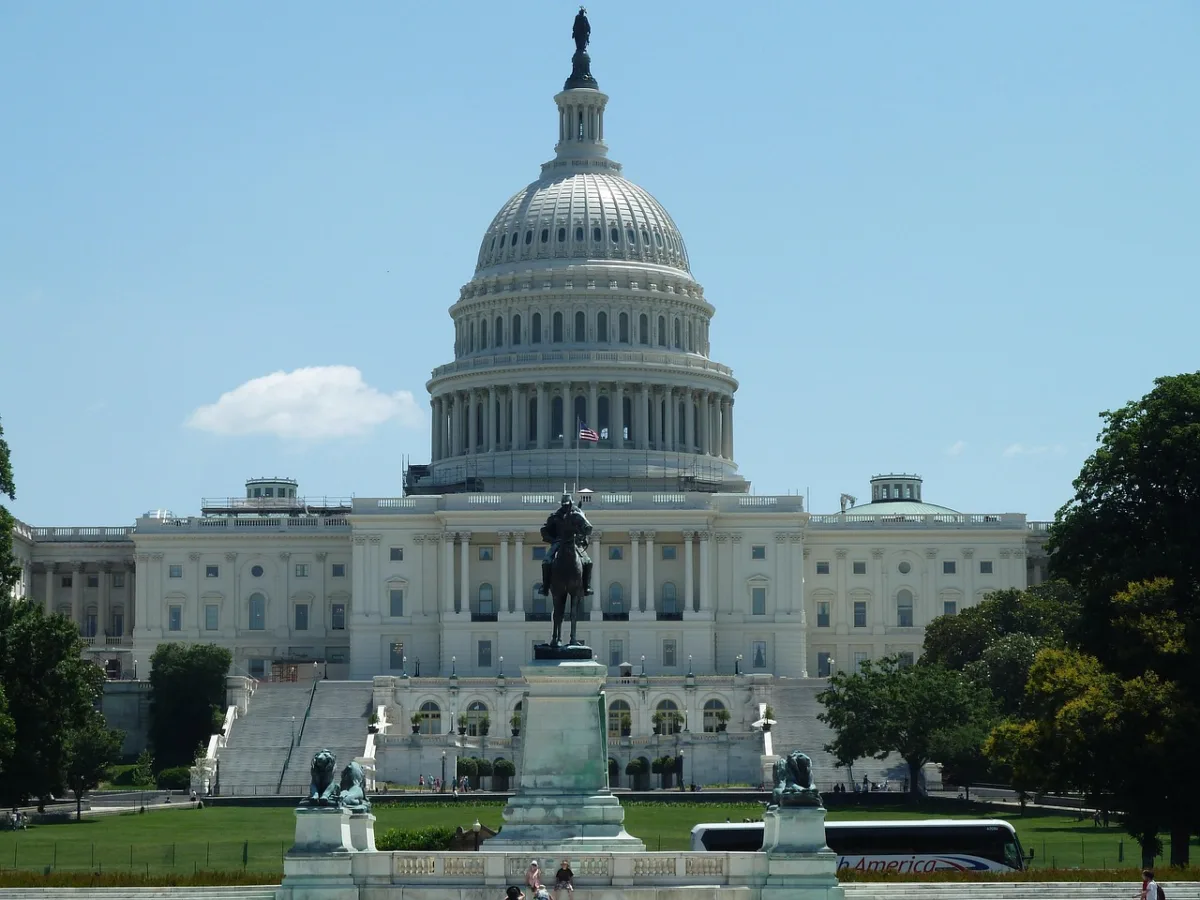
The coming weeks are expected to see intensified hearings on Capitol Hill regarding the administration’s Indo-Pacific strategy. Observers should watch for movement on the proposed Taiwan Security Enhancement Act, which would tighten the timeline for weapons shipments and increase joint military training exercises. The extent to which the White House integrates this legislative pressure into its next round of talks with Beijing will be a critical indicator of U.S. foreign policy direction in the final years of the term.