




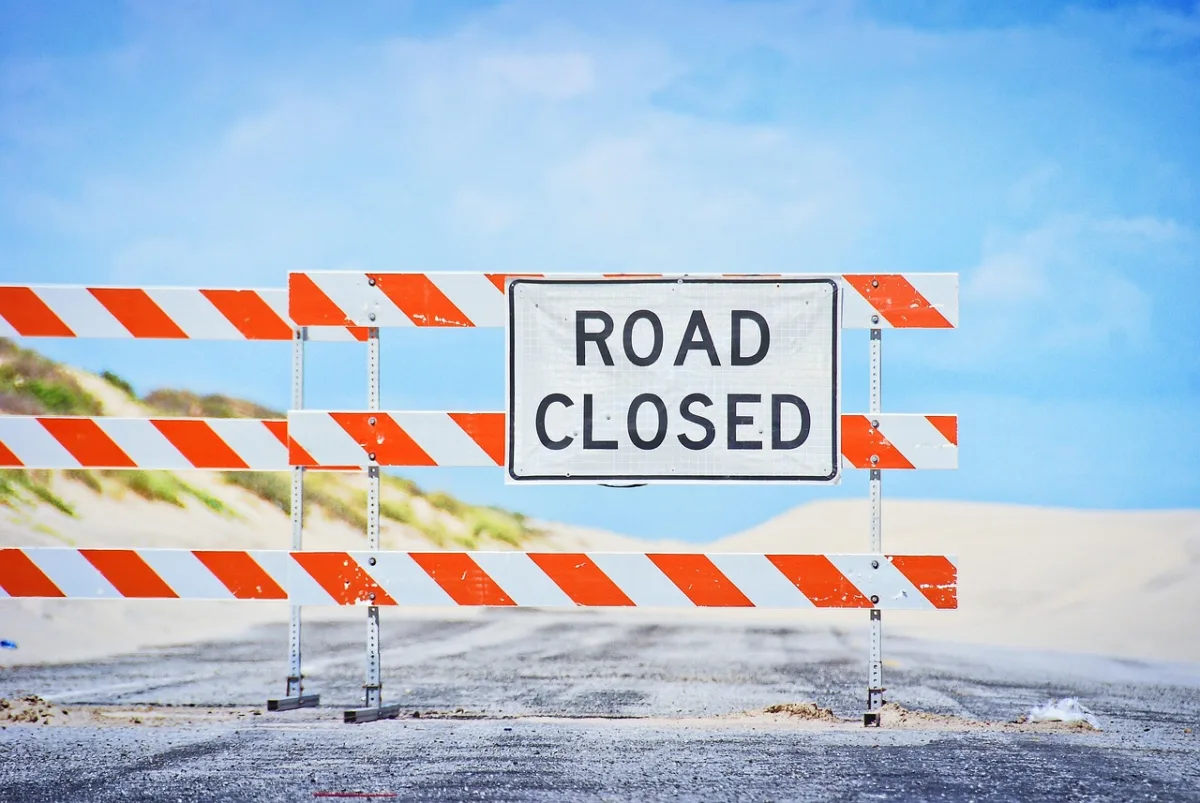
Protesters loyal to former President Evo Morales have effectively paralyzed Bolivia this week, establishing dozens of strategic road blockades across the country to demand the resignation of President Luis Arce. The demonstrations, which intensified significantly on Monday, have halted the transport of fuel and food, creating supply chain bottlenecks that threaten to destabilize the nation’s fragile economy.
The Roots of Political Instability
Bolivia has been gripped by a deepening political schism between President Luis Arce and his former ally, Evo Morales, for over a year. The internal conflict within the Movement for Socialism (MAS) party has escalated as legal challenges against Morales, including accusations related to statutory rape and human trafficking, have fueled claims of political persecution.
Morales, who served as president from 2006 to 2019, maintains that the government is utilizing the judiciary to disqualify him from future elections. The current administration counters these claims, asserting that the investigations are independent legal matters. This friction has transformed into a broader social movement, with rural unions and agrarian organizations joining the protests to demand both the resignation of the president and an immediate economic relief package.
Economic Impact and Supply Chain Disruptions
The strategic nature of the blockades, particularly in the Cochabamba department, has severed the primary link between the highlands and the eastern agricultural plains. According to the Bolivian Chamber of Exporters, the blockade is costing the national economy approximately $120 million per day in lost trade and logistics.
Reports from the Ministry of Hydrocarbons indicate that fuel distribution centers have been unable to dispatch tanker trucks, leading to long queues at gas stations in major cities like La Paz and Santa Cruz. The scarcity of diesel has further hampered the agricultural sector, which is currently in the middle of critical harvest and planting cycles.
Expert Perspectives on the Escalation
Political analysts suggest that the current impasse reflects a structural failure in the country’s governance. “The fragmentation of the MAS party has created a power vacuum that is now being filled by street-level mobilization,” says Maria Elena Torres, a political risk consultant based in La Paz. “The government is struggling to maintain order while simultaneously managing a severe decline in foreign currency reserves.”
Data from the Central Bank of Bolivia shows that reserves have plummeted to their lowest levels in two decades, complicating the government’s ability to import essential goods. This economic pressure provides the fuel for the current unrest, as citizens grapple with rising inflation and the devaluation of the local currency.
What to Watch Next
The immediate future of the country hinges on whether the government chooses to negotiate with protest leaders or deploy security forces to clear the roads. International observers are closely monitoring the potential for violent clashes, as tensions between security forces and demonstrators continue to rise in rural checkpoints. The next several days will be critical in determining whether the government can stabilize the food and fuel supply before the situation evolves into a humanitarian crisis.