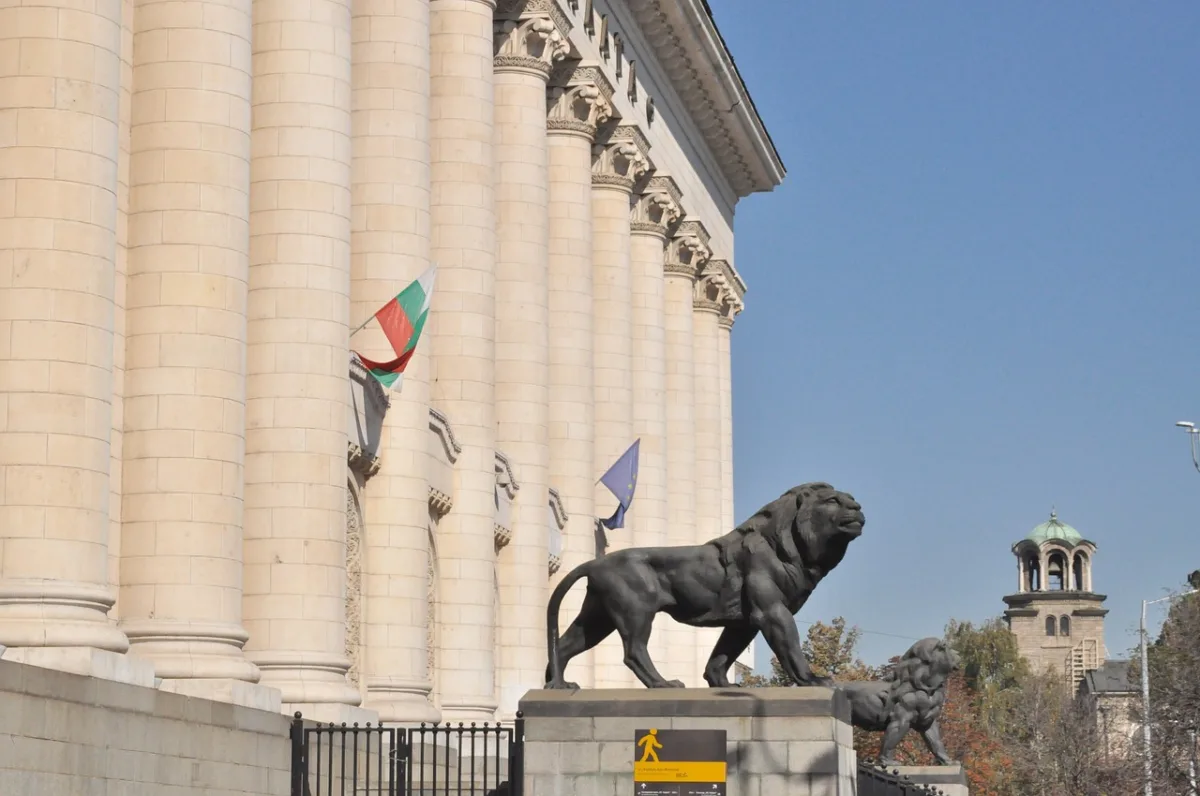
Shifting Alliances in Sofia
Following the decisive re-election of President Rumen Radev in Bulgaria, pro-Russian political factions are actively maneuvering to secure a greater role in the country’s legislative and policy-making processes. The political realignment, which gained momentum late last year, marks a significant juncture for the Balkan nation as it navigates the complex tension between its European Union commitments and historical ties to Moscow.
The Context of Bulgarian Governance
Bulgaria has long functioned as a bridge between East and West, a position complicated by its NATO membership and deep-seated cultural connections to Russia. President Radev, a former air force commander, has consistently advocated for a pragmatic approach to foreign policy, often criticizing the severity of sanctions against the Kremlin while maintaining that Bulgaria must prioritize its national interests.
His re-election victory provided a mandate that supporters view as a rejection of aggressive Atlanticism. Conversely, critics argue that his rhetoric has fostered an environment where pro-Russian sentiments can influence domestic policy debates, particularly regarding energy security and defense procurement.
Internal Political Dynamics
The push by pro-Russian groups is not merely ideological; it is deeply embedded in the current parliamentary gridlock. As traditional parties struggle to form stable governing coalitions, smaller, populist, and nationalist movements are leveraging their influence to insert pro-Kremlin talking points into the national discourse.
Political analysts note that these factions are focusing on economic instability and energy prices as primary wedges. By framing the European response to the ongoing conflict in Ukraine as detrimental to the Bulgarian standard of living, these groups have successfully tapped into a segment of the electorate that feels marginalized by mainstream political narratives.
Expert Perspectives and Economic Reality
Data from recent polling suggests that while public opinion remains divided, there is significant concern regarding the economic consequences of decoupling from Russian energy supplies. According to a report by the European Council on Foreign Relations, Bulgaria remains one of the most vulnerable EU members to shifts in energy markets, a reality that complicates the government’s ability to maintain a unified front with Brussels.
Dr. Elena Petrova, a regional analyst, observes that the influence of these factions is often overstated in terms of legislative power but highly effective in shaping public perception. “The challenge for the current government is to address legitimate economic anxieties without ceding ground to political actors whose agendas are clearly aligned with external interests rather than European integration,” she stated.
Broader Implications for the Region
The rise of these factions signals a potential cooling of relations between Sofia and its Western partners, particularly regarding joint security initiatives. If these groups gain further traction, Bulgaria may seek to adopt a more neutral posture, complicating the cohesion of NATO’s southeastern flank.
Looking ahead, observers are closely monitoring the upcoming legislative sessions for signs of policy obstructionism. The critical test will be whether the government can navigate the next energy cycle without succumbing to pressure to reverse its diversification strategies. Future stability will likely depend on the ability of centrist parties to provide tangible economic relief to citizens, effectively neutralizing the populist arguments that currently fuel pro-Russian political gains.