





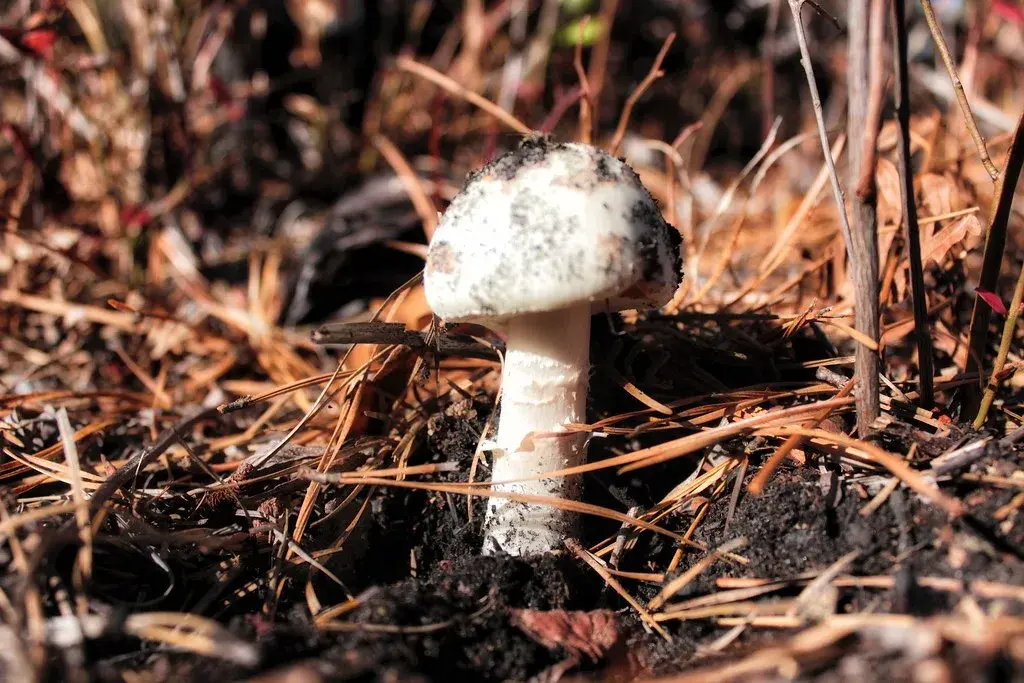
Health officials in Napa County, California, confirmed this week that three additional individuals have been hospitalized following the accidental ingestion of poisonous wild mushrooms, marking the latest development in a state-wide health crisis that has seen 47 cases reported since November 2025. This surge, described by local authorities as an unprecedented outbreak, has resulted in four confirmed fatalities and multiple emergency liver transplants across the region.
Context and Environmental Factors
The rise in poisonings is largely attributed to an exceptionally wet winter, which has created ideal conditions for the rapid proliferation of wild fungi across Northern California. Mycologists note that the abundance of rainfall has led to an explosion of species, including the highly toxic Amanita phalloides, commonly known as the death cap, and the western destroying angel.
These toxic varieties often grow in close proximity to edible species, complicating identification for amateur foragers. The death cap, in particular, contains alpha-amanitin, a potent toxin that can cause rapid liver and kidney failure if ingested, even in small quantities.
Anatomy of the Outbreak
Public health experts point to a combination of increased interest in foraging and the visual similarity between toxic and edible mushrooms as the primary drivers of the recent spike. Amateur foragers are often misled by the appearance of these fungi, which can look deceptively similar to popular culinary varieties found in other parts of the world.
Data from the California Poison Control System indicates that the majority of cases involve individuals who gathered mushrooms from public parks or private residential properties. Medical professionals have warned that the symptoms of amatoxin poisoning—which include severe nausea, vomiting, and diarrhea—can sometimes subside before returning with lethal intensity, often delaying life-saving treatment.
Expert Perspectives and Medical Response
Toxicologists emphasize that no simple field test exists to distinguish many toxic mushrooms from their edible counterparts. Dr. Robert Miller, a clinical toxicologist, states that the severity of this year’s cases has strained regional medical resources, necessitating rapid intervention and, in several instances, emergency organ transplantation to save lives.
Health authorities are urging the public to exercise extreme caution and to avoid consuming any wild-harvested mushrooms unless they have been verified by a certified mycologist. The state has launched an aggressive public awareness campaign, distributing visual guides to help residents identify the most dangerous species currently present in California’s forests and urban landscapes.
Future Implications for Foraging
The ongoing health crisis is expected to lead to stricter local regulations regarding foraging in public parks and open spaces. As the spring season approaches, experts warn that the risk remains elevated, particularly as newer, less experienced foragers venture out to collect wild produce.
Observers should watch for further public health mandates or the potential closure of specific recreational areas to minimize human-fungi contact. Moving forward, the focus will remain on education and the potential for long-term health monitoring for survivors of the poisoning, as the medical community continues to analyze the long-term impacts of amatoxin exposure on liver function.