





Arrival and Quarantine Protocols
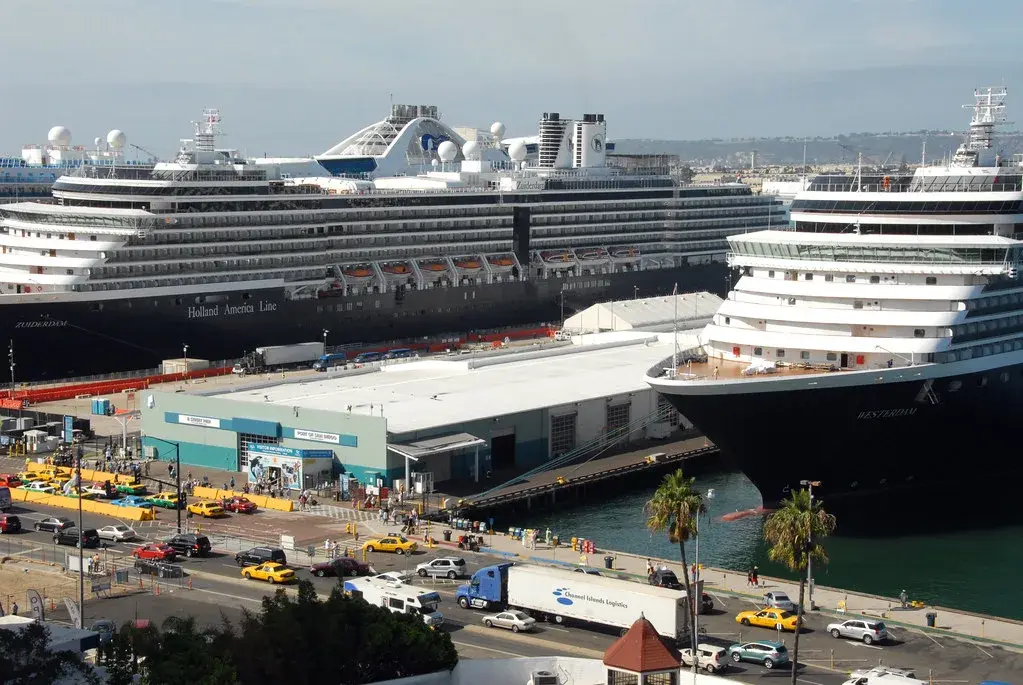
The Dutch-flagged luxury cruise ship MV Hondius is scheduled to dock at the Port of Rotterdam on Monday morning to undergo mandatory deep-cleaning and disinfection procedures following a confirmed hantavirus outbreak. Local health authorities have established strict quarantine arrangements for the 25 remaining crew members and two medical staff currently on board. Officials confirmed that specialized facilities are prepared to house non-Dutch crew members to mitigate any potential public health risk upon arrival.
Context of the Outbreak
The situation began on May 2, when the ship’s medical team reported a cluster of severe respiratory illnesses to the World Health Organization (WHO). At the time of the initial report, the vessel was carrying approximately 150 passengers and crew members representing 23 different nationalities. The rapid identification of symptoms prompted an immediate international response, as health agencies worked to isolate the source of the zoonotic infection.
Health Risks and Transmission
Hantaviruses are a family of viruses primarily spread through contact with the urine, droppings, or saliva of infected rodents. While human-to-human transmission is extremely rare, the potential for respiratory distress makes the virus a significant concern for maritime health authorities. The MV Hondius has been under close observation since the initial reports, with medical professionals focusing on preventing further spread within the confined environment of the ship.
Operational and Industry Impact
The industry faces renewed scrutiny regarding sanitation protocols and the management of infectious diseases in closed cruise environments. According to the International Maritime Organization (IMO), cruise operators are required to maintain rigorous ventilation and pest control standards to prevent the introduction of pathogens. Experts suggest that this incident will likely lead to updated guidelines regarding rodent control in high-traffic maritime sectors, as the virus poses a lethal threat if not contained early. Data from the Centers for Disease Control and Prevention (CDC) indicates that while hantavirus cases remain sporadic, the complexity of contact tracing on a cruise ship presents a logistical challenge for international health agencies.
Future Implications and Monitoring
The immediate focus for authorities remains the successful disinfection of the vessel and the health monitoring of the remaining crew. Observers are watching to see if the 42-day quarantine period will be strictly enforced for all non-Dutch personnel, a standard duration that reflects the incubation period of the virus. Looking ahead, the shipping industry is expected to accelerate the adoption of advanced automated pest detection systems to prevent similar occurrences. The outcome of the Rotterdam operation will serve as a case study for global maritime health protocols in the post-pandemic era.