





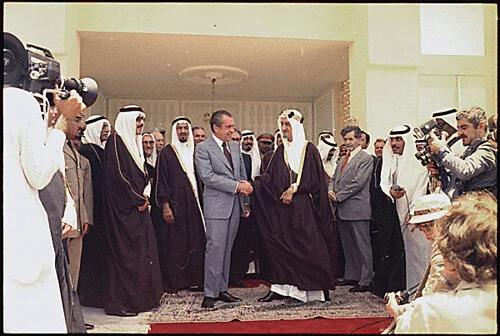
The Beijing Summit: A Study in Strategic Posturing
In a high-stakes meeting held in Beijing, former U.S. President Donald Trump and Chinese President Xi Jinping navigated a complex diplomatic landscape, utilizing carefully calibrated body language to signal their respective political priorities despite deep-seated disagreements over trade policy and the status of Taiwan. The summit, which took place against a backdrop of escalating geopolitical tension, served as a stage where non-verbal communication was as critical as the formal policy discussions conducted behind closed doors.
The Context of US-China Relations
The relationship between Washington and Beijing has historically been defined by a precarious balance between economic interdependence and strategic rivalry. Tensions have centered on trade deficits, intellectual property rights, and the increasingly sensitive geopolitical status of Taiwan, which remains the most significant flashpoint in the bilateral relationship.
Previous administrations have struggled to maintain a consistent engagement strategy, often pivoting between constructive dialogue and aggressive tariff-based confrontation. This summit represented a continuation of that volatile pattern, where the need for direct communication often clashes with domestic political pressures to appear uncompromising on the international stage.
Decoding the Diplomatic Gestures
Observers noted that the leaders’ physical interactions were marked by a blend of performative cordiality and subtle displays of dominance. Trump’s characteristic assertive handshake style, often intended to establish a position of strength, was met by Xi’s measured, composed demeanor, which projected stability and state authority.
Body language experts suggest that such displays are not merely incidental but are calculated efforts to influence domestic audiences. For the American public, the optics of the meeting were designed to convey a leader who could command respect on the world stage. Conversely, for the Chinese Communist Party, Xi’s calm posture served to reassure the domestic population of China’s endurance and strategic patience in the face of external pressure.
Expert Perspectives on Symbolic Diplomacy
Political analysts emphasize that while the smiles and handshakes offer a veneer of diplomatic civility, they rarely indicate a shift in fundamental policy. According to data from the Council on Foreign Relations, bilateral summits between major powers have historically seen a low correlation between positive photographic optics and long-term substantive policy shifts.
“The body language is a form of signaling,” notes Dr. Elena Vance, a professor of international relations. “It allows leaders to keep the channels of communication open without necessarily conceding ground on contentious issues like semiconductor supply chains or maritime security.”
The Broader Implications for Global Markets
The implications of these diplomatic interactions extend far beyond the summit venue. Global financial markets closely monitor the tone of such meetings, as any sign of cooling tensions can lead to increased investor confidence, while visible friction can trigger volatility in international trade sectors.
For the business community, the primary takeaway is the persistent unpredictability of US-China relations. Companies operating within these markets must prepare for continued regulatory scrutiny and the potential for sudden policy shifts, regardless of the friendly gestures observed during high-level meetings.
Future Outlook and Strategic Indicators
As the geopolitical landscape shifts toward a more multipolar order, observers should watch for how these leaders manage the next cycle of trade negotiations and potential security agreements. Future summits will likely be characterized by even more rigorous stage management, as both nations attempt to balance the necessity of cooperation with the political requirement of appearing strong against their primary global competitor.