Strengthening Bilateral Ties
Following a high-stakes diplomatic visit to Beijing by President Donald Trump, Chinese President Xi Jinping has officially accepted an invitation to conduct a state visit to the United States. The agreement, finalized during the recent summit, marks a significant effort to stabilize the world’s most critical bilateral relationship amidst rising geopolitical tensions.
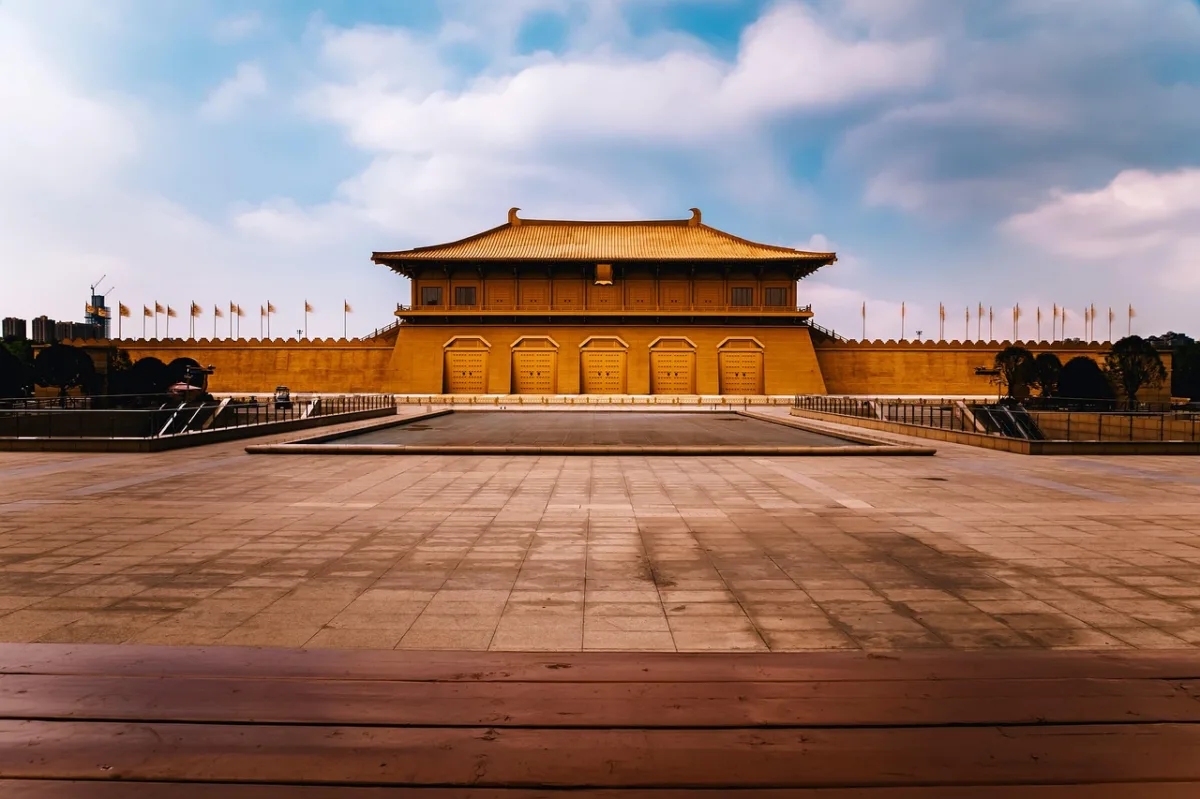
The visit, which saw President Trump gain rare access to China’s most guarded political compound, the Forbidden City, served as a symbolic backdrop for broader discussions on trade, security, and global influence. While both leaders emphasized the necessity of a constructive partnership, the summit concluded without major breakthroughs on contentious issues including Taiwan, Iranian nuclear policy, or the regulation of artificial intelligence.
Contextualizing the Superpower Summit
The recent exchange follows years of volatile relations characterized by trade disputes and competing technological ambitions. Analysts suggest that the invitation for a return visit signals a strategic shift toward maintaining open lines of communication, even as structural disagreements persist between the two superpowers.
President Trump’s tour of the Forbidden City was widely interpreted by diplomatic observers as a calculated gesture of hospitality from Beijing. By granting the US delegation unprecedented access to historical sites, the Chinese leadership aimed to foster personal rapport between the two heads of state, potentially easing the friction that has historically hampered US-China negotiations.
Analyzing the Strategic Landscape
Despite the high-level pageantry, the lack of concrete policy breakthroughs remains a focal point for international observers. The Guardian reports that while the visit provided a platform for dialogue, significant gaps remain regarding US concerns over Chinese influence in the Taiwan Strait and the escalating race for dominance in AI technology.
Expert analysts suggest the current approach relies on ‘constructive strategic stability,’ a framework aimed at preventing direct conflict through sustained high-level engagement. Data from recent economic summits indicates that both nations remain deeply interdependent, complicating any efforts to fully decouple their respective industries or security apparatuses.
According to political scientists, the decision to formalize a return visit is a pragmatic move for both administrations. For Beijing, it secures a seat at the table to manage future US trade policy; for Washington, it provides a mechanism to directly address security concerns in a controlled, diplomatic environment.
Future Implications for Global Stability
The upcoming state visit will likely serve as the definitive test for whether this period of detente can produce tangible policy outcomes. Industry leaders and global markets are expected to watch the preparation phase closely, as any shift in rhetoric regarding trade tariffs or technology restrictions will have immediate ripple effects on the global economy.
Observers should monitor the lead-up to the visit for signs of cooperation on secondary issues, such as climate change or global health, which often serve as precursors to deeper diplomatic breakthroughs. The central question remains whether these high-level meetings can move beyond symbolic gestures to address the fundamental structural tensions defining the 21st-century geopolitical order.