




Health authorities in the Democratic Republic of the Congo (DRC) confirmed a new Ebola outbreak this week, identifying active clusters in the northeastern towns of Rwampara, Mongwalu, and Bunia. The resurgence, occurring against a backdrop of severe regional instability and displaced populations, has prompted the World Health Organization (WHO) to mobilize rapid response teams to contain the transmission of the highly infectious hemorrhagic fever.
Contextual Challenges and Historical Precedents
The DRC has battled Ebola for decades, with the most recent major epidemic concluding in 2020 after claiming thousands of lives. The current outbreak emerges in Ituri province, a region already struggling with protracted armed conflict and a massive influx of internally displaced persons (IDPs).
Public health experts note that the intersection of displacement and infectious disease creates a volatile environment for containment. Crowded living conditions in makeshift camps often hinder the physical distancing and sanitation protocols necessary to break the chain of viral transmission.
Operational Hurdles in Conflict Zones
Containment efforts face significant logistical obstacles due to the volatile security situation in the northeastern corridor. Health workers report that insecurity frequently restricts access to remote areas, preventing timely contact tracing and the distribution of life-saving vaccines.
Dr. Jean-Jacques Muyembe, head of the DRC’s national biomedical research institute, stated that the speed of the current response is critical. The government has begun deploying mobile laboratories and thermal screening units to major transport hubs in Bunia to intercept potential spreaders.
The Critical Role of Community Engagement
Data from previous outbreaks indicate that community trust serves as the cornerstone of effective epidemic management. Misinformation regarding the virus and the vaccine remains a persistent barrier to public health compliance in the affected regions.
International aid organizations are currently partnering with local community leaders to disseminate accurate health messaging in local dialects. By integrating traditional leadership into the response framework, authorities hope to mitigate the fear and stigma that often accompany Ebola outbreaks.
Economic and Humanitarian Implications
The resurgence threatens to further destabilize the fragile local economy, which relies heavily on trade and artisanal mining in areas like Mongwalu. Restrictions on movement, while necessary for epidemiological control, often exacerbate food insecurity for vulnerable families already living on the margins.
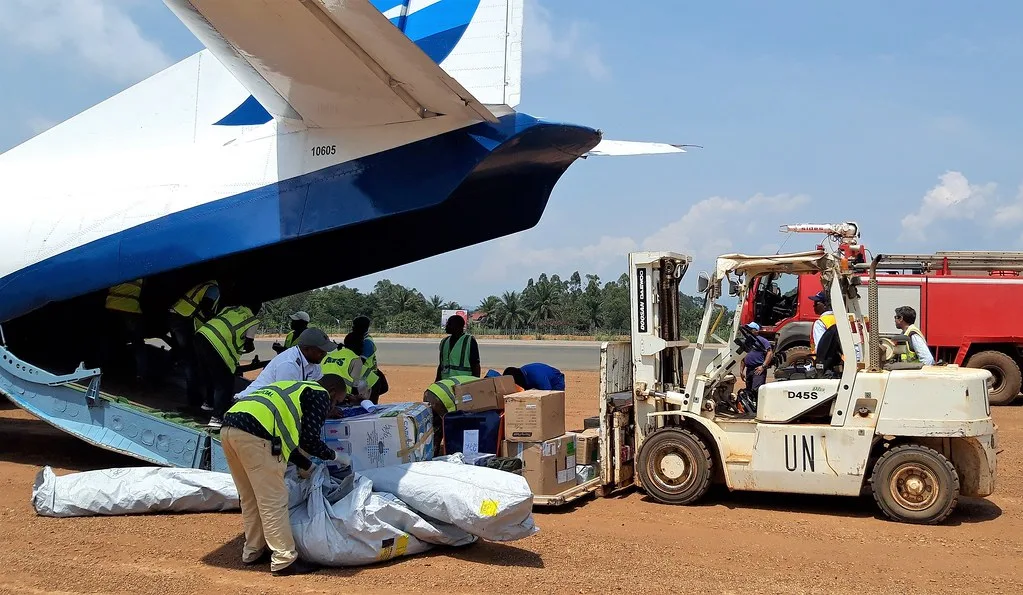
The WHO has signaled that further funding will be required to sustain long-term surveillance and vaccination campaigns. Without an immediate influx of international aid, the risk of the virus spreading to larger urban centers remains a primary concern for regional health security.
Future Outlook and Vigilance
Observers are closely monitoring the rate of new infections over the coming fortnight to determine if the outbreak is stabilizing or accelerating. The effectiveness of the current vaccination rollout, combined with the ability to secure transit routes for medical supplies, will dictate the trajectory of this crisis. Continued international cooperation and adherence to infection control protocols at border crossings remain the essential variables in preventing a broader regional catastrophe.