




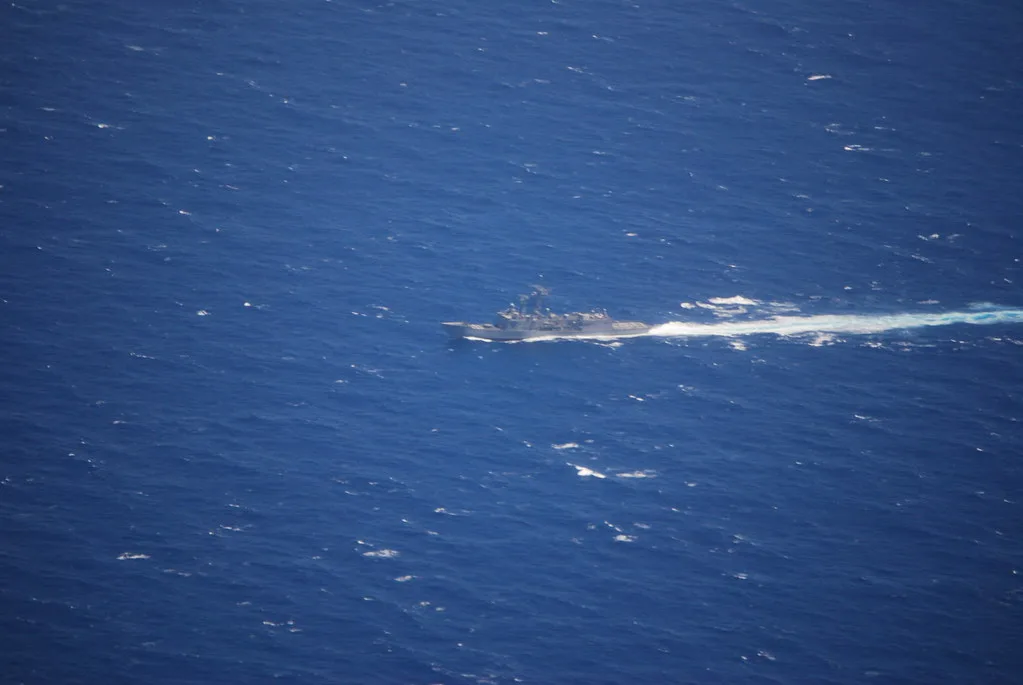
European diplomatic delegations are currently engaged in high-level negotiations with Iranian officials in Tehran to secure the unrestricted transit of commercial shipping through the Strait of Hormuz. This initiative follows a period of severe maritime disruption that began on February 28, when Iran effectively blockaded the chokepoint amid escalating hostilities involving the United States and Israel. While a fragile ceasefire has held since April 8, the global energy supply chain remains precarious as stakeholders seek a permanent resolution to restore the flow of oil and gas through this vital artery.
A Critical Bottleneck for Global Energy
The Strait of Hormuz is widely considered the world’s most significant oil chokepoint, with approximately 21 million barrels of petroleum passing through its waters daily, according to data from the U.S. Energy Information Administration (EIA). The blockade imposed in late February triggered immediate volatility in global commodity markets, forcing tankers to reroute or anchor indefinitely to avoid the conflict zone.
The region has remained a flashpoint since the outbreak of broader hostilities between Iran, Israel, and the United States. Following the initiation of the ceasefire on April 8, international pressure has mounted on European nations to act as mediators. The goal is to normalize maritime traffic before the economic impact of delayed shipments leads to further inflationary pressure on global energy prices.
The Stakes of Diplomatic Mediation
European negotiators are attempting to leverage the ongoing ceasefire to institutionalize a ‘safe passage’ corridor for commercial vessels. Analysts suggest that Tehran is utilizing the transit blockade as a strategic bargaining chip to address broader regional security concerns and economic sanctions. The complexity of these talks lies in the intersection of maritime law, regional military posturing, and the delicate nature of the existing truce.
Energy market experts point out that even a partial reopening of the strait would significantly stabilize market sentiment. ‘The current uncertainty is pricing in a risk premium that affects every consumer globally,’ noted an analyst from the International Energy Agency. ‘Restoring confidence in the security of the Strait is not just a regional necessity; it is a global economic imperative.’
Implications for Global Trade and Logistics
For the shipping industry, the uncertainty surrounding the Strait has led to skyrocketing insurance premiums and operational costs. Many shipping firms have opted for longer, more expensive routes around the Cape of Good Hope, adding weeks to transit times and significantly increasing carbon emissions. A successful breakthrough in the current talks would provide the necessary predictability for logistics providers to resume standard operations.
Looking ahead, industry observers are closely monitoring the stability of the April 8 ceasefire as a primary indicator of whether shipping lanes will remain open. If negotiations fail to produce a verifiable security guarantee, analysts expect maritime insurers to maintain high-risk designations for the region, further straining global supply chains. The coming weeks will be decisive in determining whether the Strait of Hormuz returns to its status as a reliable global trade route or remains a permanent fixture of geopolitical volatility.