




Tragedy Strikes Bangkok’s Rail Network
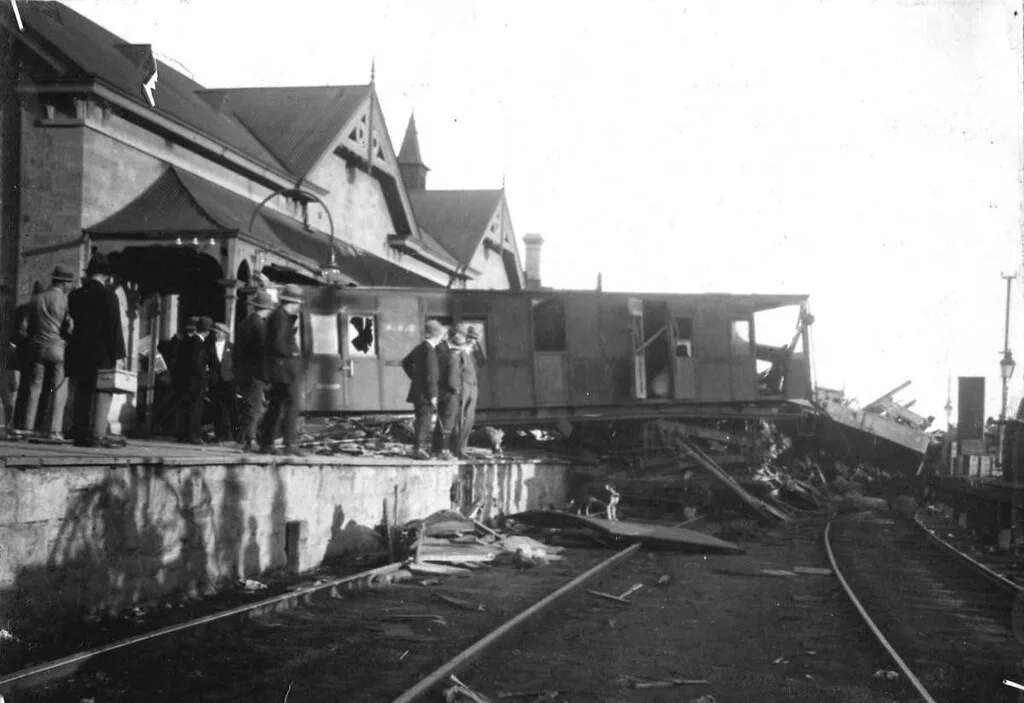
At least eight people were killed and several others injured early Thursday morning in Bangkok, Thailand, after a passenger train collided with a heavy truck at a railway crossing. Local emergency services and police confirmed the incident occurred in the Chachoengsao province, east of the capital, prompting an immediate investigation by the State Railway of Thailand (SRT) into the cause of the disaster.
Context and Historical Rail Safety
Thailand’s railway infrastructure has long faced scrutiny regarding safety standards at non-gated or poorly marked crossings. While the country has invested billions in high-speed rail projects and modernization efforts, many rural and suburban junctions continue to rely on outdated signaling or lack automated barriers entirely. This incident marks one of the deadliest rail-related accidents in the region in recent years, reigniting national debates on infrastructure maintenance.
The Investigation Begins
Initial reports from local authorities suggest the truck driver may not have seen the approaching train due to limited visibility at the crossing. The impact was severe enough to derail the front carriage and push the truck several meters down the tracks. Rescue teams worked for hours using hydraulic cutters to extract survivors trapped within the wreckage, while the injured have been transported to regional hospitals for intensive care.
The State Railway of Thailand has pledged full cooperation with the Ministry of Transport’s investigative committee. Forensic experts are currently examining the train’s black box and the crossing’s signaling logs to determine if mechanical failure or human error played a primary role in the collision. Preliminary findings are expected to be released within the coming week.
Expert Perspectives and Safety Data
Transportation safety analysts have long warned that the rapid expansion of rail traffic in Thailand has outpaced the implementation of safety technology. According to data from the Thai Ministry of Transport, there are hundreds of unauthorized or under-protected crossings across the country’s 4,000-kilometer rail network. Dr. Somchai Petchaboon, an infrastructure researcher, noted that the lack of standardized warning systems at these junctions remains a systemic vulnerability that requires urgent legislative intervention.
Furthermore, local advocacy groups have called for a comprehensive safety audit of all unmanned crossings nationwide. The current focus remains on whether the crossing in question met the national safety requirements for warning sirens and visual signals. If investigations reveal a breach of safety protocols, the SRT may face significant legal and financial repercussions, as well as mounting pressure to accelerate the installation of automated gates.
Future Implications for Rail Transit
For the millions of commuters who rely on Thailand’s rail network, this tragedy serves as a grim reminder of the risks inherent in an aging transit system. The industry is now at a crossroads where the government must decide between prioritizing high-speed expansion or investing in the immediate safety of existing local infrastructure. Observers should look for upcoming policy announcements from the Transport Ministry, which are likely to include stricter traffic regulations near rail corridors and a potential acceleration of the nationwide grade-separation program. In the coming months, the public will be watching closely to see if this incident leads to tangible systemic changes or remains a recurring statistical tragedy.