





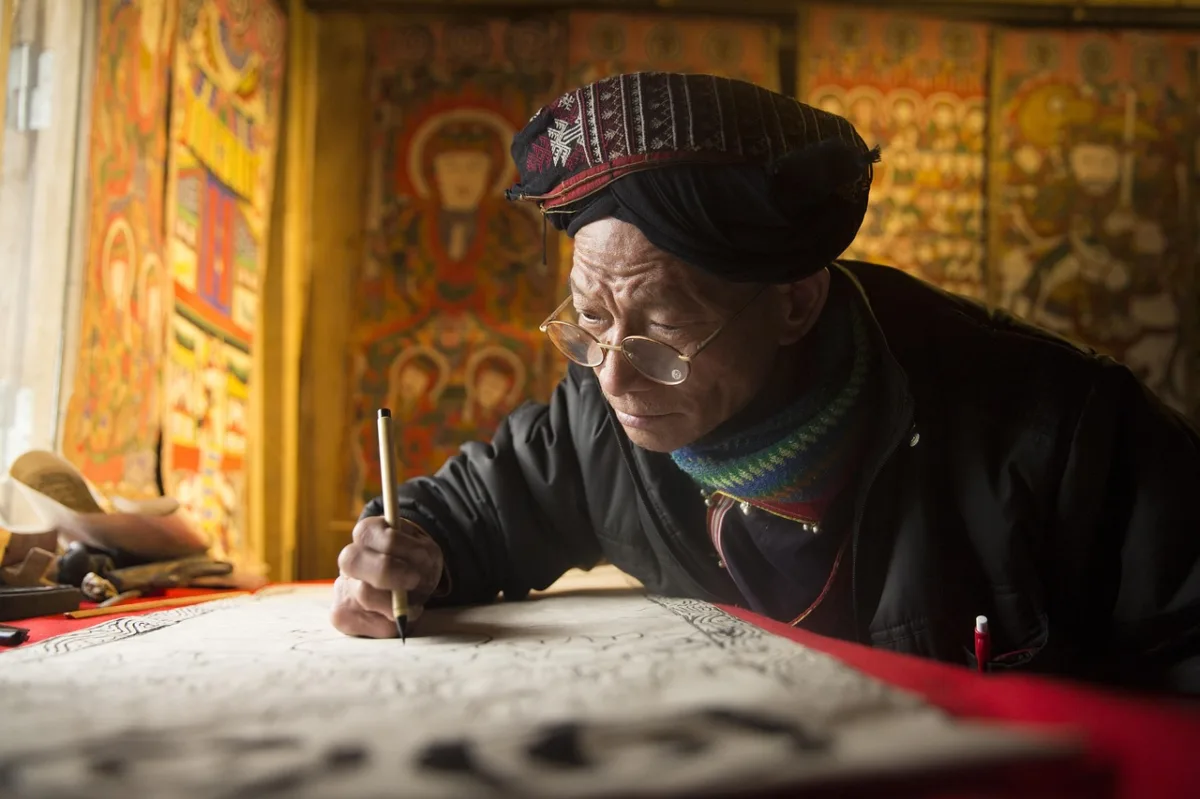
In the quiet, dust-moted studios of Kathmandu, Nepal, a new generation of artists is working alongside veteran masters to preserve the centuries-old Buddhist tradition of Thangka painting. Despite the encroaching pressures of mass production and digital art, these artisans continue to meticulously craft intricate, hand-painted scrolls that serve as both religious tools and historical records, ensuring the survival of a cultural practice that dates back over a millennium.
The Historical Significance of Sacred Geometry
Thangka painting is far more than an exercise in aesthetic beauty; it is a rigorous spiritual discipline governed by strict iconographic rules. Rooted in Tibetan Buddhism, these scrolls function as meditative aids, depicting complex deities, mandalas, and historical figures with precise mathematical proportions.
For centuries, the craft was passed down through monastic lineages and family apprenticeships. The process involves preparing a canvas from cotton, priming it with a mixture of gesso and animal glue, and applying pigments derived from ground minerals, gold, and semi-precious stones.
The Intersection of Youth and Tradition
Today, the Thangka industry faces a significant generational shift. While veteran masters continue to oversee the quality and accuracy of the work, a surge of teenage apprentices has entered the studios, driven by a desire to reclaim their heritage in an increasingly globalized economy.
These young artists often undergo years of training before they are permitted to draw the face of a deity. This patience is a deliberate counter-measure to the rise of cheap, screen-printed imitations that have flooded the market, often sold to tourists as authentic hand-painted works.
Market Pressures and Economic Realities
The influx of mass-produced replicas has created a bifurcated market. According to recent reports from local craft cooperatives in Nepal, the price of authentic, high-quality Thangkas has risen to reflect the hundreds of hours required for their completion, often pricing them out of reach for casual buyers.
However, art historians note that the value of genuine Thangkas has gained recognition within the international collector circuit. Museums and private galleries are increasingly seeking out works that utilize traditional mineral pigments and authentic gold leaf, viewing them as vital artifacts of intangible cultural heritage.
The Future of Sacred Art
The survival of the Thangka tradition depends largely on the ability of these studios to balance commercial viability with religious integrity. Many workshops are now leveraging digital platforms to educate international audiences on the difference between authentic paintings and mass-produced prints.
Industry experts suggest that as the appreciation for slow, intentional craftsmanship grows globally, Nepal’s Thangka studios may find a sustainable niche. The coming decade will be crucial for these artists as they navigate the transition from a localized, insular practice to a globalized art market that demands both transparency and excellence.
Observers should watch for how the next generation of masters adapts these ancient techniques to contemporary themes while maintaining the rigid iconographic standards that define the art form. The long-term success of this movement will likely hinge on the continued support of international patrons and the successful integration of digital literacy among young apprentices.


