




Election Results Confirmed Amidst Political Uncertainty
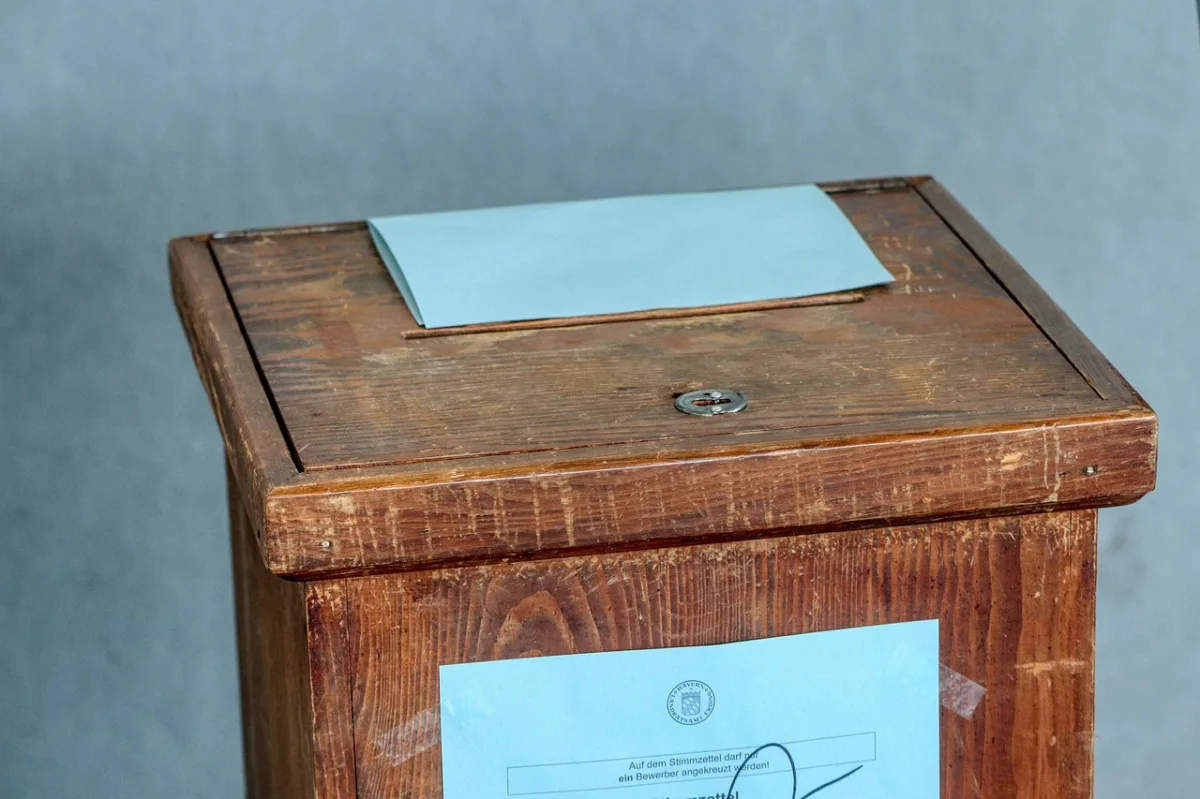
Peruvian electoral authorities officially confirmed on Monday that Keiko Fujimori and Pedro Sanchez will advance to a presidential runoff election on June 7, following a first-round vote plagued by widespread logistical challenges and allegations of electoral fraud. The National Office of Electoral Processes (ONPE) verified the final tallies after days of manual recounts, solidifying the two candidates’ positions in a field that saw significant fragmentation.
Context of the Electoral Landscape
Peru has faced a period of intense political instability, characterized by the impeachment of multiple presidents in recent years. This election cycle was viewed by analysts as a critical test for the nation’s democratic institutions, which have been strained by corruption scandals and public distrust in the political establishment.
The electoral process was hampered by significant logistical hurdles, including delayed opening of polling stations in rural areas and the late arrival of sensitive voting materials. These administrative failures, combined with aggressive rhetoric from various campaigns, fueled public suspicion regarding the integrity of the vote count.
Analyzing the Candidates and Campaign Platforms
Keiko Fujimori, the leader of the Fuerza Popular party, enters the runoff with a platform centered on economic liberalization and a firm stance on security. Her campaign has focused on revitalizing the Peruvian economy following the stagnation caused by recent political crises.
Pedro Sanchez, representing a shift toward more populist economic policies, has gained traction by promising to address deep-seated social inequality and reform the national constitution. His supporters view him as a necessary disruptor in a system they believe has long served only the political and financial elite.
Expert Perspectives and Statistical Data
Political analysts note that the narrow margin between the top candidates reflects a highly polarized electorate. According to data from the polling firm Ipsos Peru, voter sentiment is deeply divided along geographic and socioeconomic lines, with urban centers favoring market-oriented policies while rural regions seek radical structural change.
“The logistical failures observed during the first round have unfortunately provided a pretext for candidates to cast doubt on the system,” said Dr. Elena Rodriguez, a political scientist specializing in Andean governance. “The challenge for the ONPE now is to ensure that the June 7 runoff is executed with absolute transparency to restore public confidence.”
Implications for the Future of Peru
The upcoming runoff carries profound implications for the future of Peru’s fiscal policy and international trade relations. Investors are closely watching both candidates to gauge their commitment to maintaining the current macroeconomic framework, which has historically been a pillar of regional stability.
For the average Peruvian citizen, the election represents a choice between two starkly different visions for the country’s governance. The next six weeks will be defined by intense campaigning and efforts to court the voters of eliminated candidates, whose support will be decisive in determining the next president.
Looking ahead, observers should monitor the electoral board’s efforts to improve polling station efficiency and the potential for increased international monitoring of the June 7 vote. The ability of the winning candidate to build a governing coalition in a fragmented Congress will be the next major hurdle following the runoff results.