




Iranian Foreign Minister Abbas Araghchi leveled a significant diplomatic charge this week, accusing the United Arab Emirates (UAE) of direct participation in military actions against Tehran. This escalation comes amidst a broader regional instability marked by the ongoing Israel-Iran conflict, which has increasingly forced global powers to re-evaluate their maritime security and diplomatic alignments.
The Shifting Landscape of Regional Alliances
The accusation marks a sharp departure from the recent trend of cautious diplomacy between Iran and its Gulf neighbors. For months, Tehran has sought to minimize regional friction through localized de-escalation efforts, yet Araghchi’s statement signals a hardening stance as tensions with Israel reach a fever pitch.
Intelligence reports and Iranian media suggest that the friction is not limited to diplomatic rhetoric. The involvement of regional partners in surveillance or logistics for Israeli operations has long been a source of suspicion for Tehran, but this is the first time a senior official has explicitly named the UAE as an active participant in hostile acts.
Maritime Security in the Strait of Hormuz
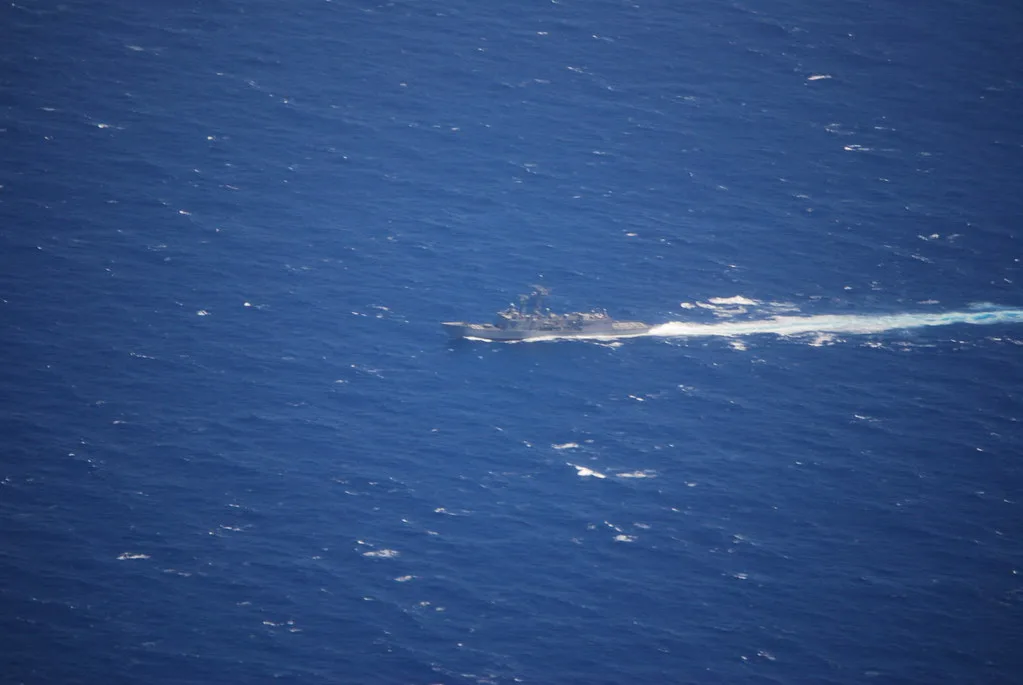
While diplomatic accusations dominate the headlines, the economic reality of the region remains tied to the Strait of Hormuz. Iranian media reported on May 13 that Tehran has granted safe passage to Chinese-flagged vessels navigating the waterway, a strategic move intended to maintain vital economic lifelines despite the heightened risk of military engagement.
China, a major consumer of Iranian energy, relies heavily on these maritime corridors. By providing explicit guarantees to Chinese shipping, Iran is attempting to insulate itself from further economic isolation while simultaneously signaling to Beijing that it remains a reliable partner in the energy sector.
Expert Perspectives on Regional Escalation
Geopolitical analysts warn that the inclusion of the UAE in the conflict narrative introduces a new, volatile variable. If Iran continues to escalate its rhetoric, the fragile rapprochement brokered between Riyadh, Abu Dhabi, and Tehran over the last two years could collapse entirely.
According to maritime security data from the Lloyd’s List Intelligence, transit volumes through the Strait of Hormuz have remained relatively stable despite the rhetoric. However, insurance premiums for commercial vessels in the region have seen a sharp increase, reflecting a growing market anxiety regarding potential blockades or tactical miscalculations.
Implications for Global Energy Markets
For the global economy, the stakes are centered on the volatility of oil prices. The Strait of Hormuz serves as a transit point for roughly 20% of the world’s total oil consumption, making any threat to its security a primary driver of market instability.
Industry experts suggest that as long as China’s shipping interests are protected, the risk of a total closure of the strait remains low. However, the potential for targeted cyber operations or sabotage against regional infrastructure has increased significantly.
What to Watch Next
Observers are now tracking the response from the UAE’s leadership, as a formal rebuttal or a cooling of diplomatic channels will dictate the next phase of regional relations. Additionally, international monitors are watching for any changes in the flow of oil tankers as Iran balances its aggressive defensive posture with the need to maintain its primary economic alliances in the East.