





The Convergence of Maritime Conflict and Diplomatic Summits
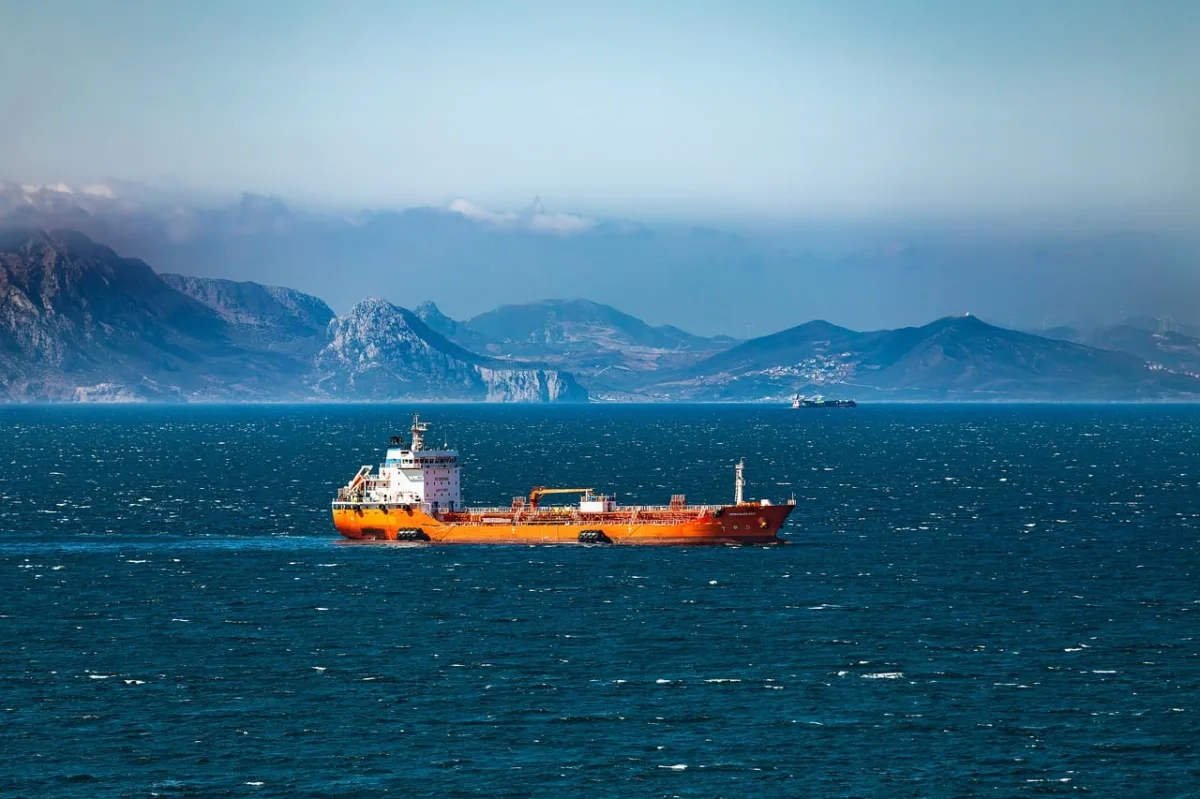
Unidentified assailants launched fresh attacks against commercial vessels near the Strait of Hormuz this week, prompting an immediate escalation in regional security concerns as U.S. President Donald Trump and Chinese President Xi Jinping engaged in high-level discussions regarding potential conflict with Iran. The maritime incidents, occurring in one of the world’s most critical oil transit chokepoints, have forced global powers to confront the growing instability of shipping lanes while simultaneously navigating the precarious nature of international alliances in Beijing.
Contextualizing the Strait of Hormuz Crisis
The Strait of Hormuz serves as a vital artery for global energy markets, with approximately one-fifth of the world’s oil supply passing through its narrow waters daily. Recent months have seen a surge in maritime sabotage and vessel seizures, creating a volatile environment for global logistics and energy security. These attacks occur against a backdrop of heightened sanctions and military posturing between Washington and Tehran, raising the stakes for global leaders seeking to prevent a wider regional war.
Diplomatic Manoeuvring in Beijing
During the ongoing summit in Beijing, President Trump and President Xi Jinping have dedicated significant portions of their bilateral talks to the Iranian situation, alongside discussions on trade imbalances and the status of Taiwan. While the U.S. administration has signaled a desire to reassess trade relationships with China, observers note that the success of these negotiations remains contingent upon Beijing’s willingness to exert influence over its strategic partners in the Middle East.
Expert Analysis and Strategic Implications
Geopolitical analysts suggest that the timing of the maritime attacks is not coincidental, potentially serving as a tactical leverage point for regional actors to influence the ongoing US-China dialogue. According to recent data from maritime security firms, insurance premiums for vessels traversing the Persian Gulf have spiked by nearly 20% since the latest reports of sabotage. Experts argue that if the Strait remains compromised, the resulting inflationary pressure on fuel prices could destabilize fragile economic recoveries in both the East and the West.
Broader Strategic Consequences
For the global shipping industry, the current situation necessitates a permanent shift in operational security protocols, with many firms now opting for longer, costlier routes to avoid the Strait entirely. The diplomatic fallout from the Beijing summit will likely dictate the next phase of international policy, as the U.S. seeks to bolster its regional coalition against Iranian influence while managing its complex economic dependency on China. Observers are now looking toward the upcoming September 24 White House summit, where a follow-up meeting between the two leaders is expected to clarify whether the current diplomatic rapprochement can yield concrete security guarantees.
Future Outlook and Monitoring Points
The coming weeks will be critical as international maritime forces monitor the Strait for further escalations or potential retaliatory strikes. Market analysts advise investors to watch for shifts in crude oil benchmarks and trade policy announcements following the September summit, as these will serve as key indicators of whether the diplomatic efforts in Beijing have successfully de-escalated the brewing maritime crisis.