





Diplomatic Returns and Public Health Emergencies
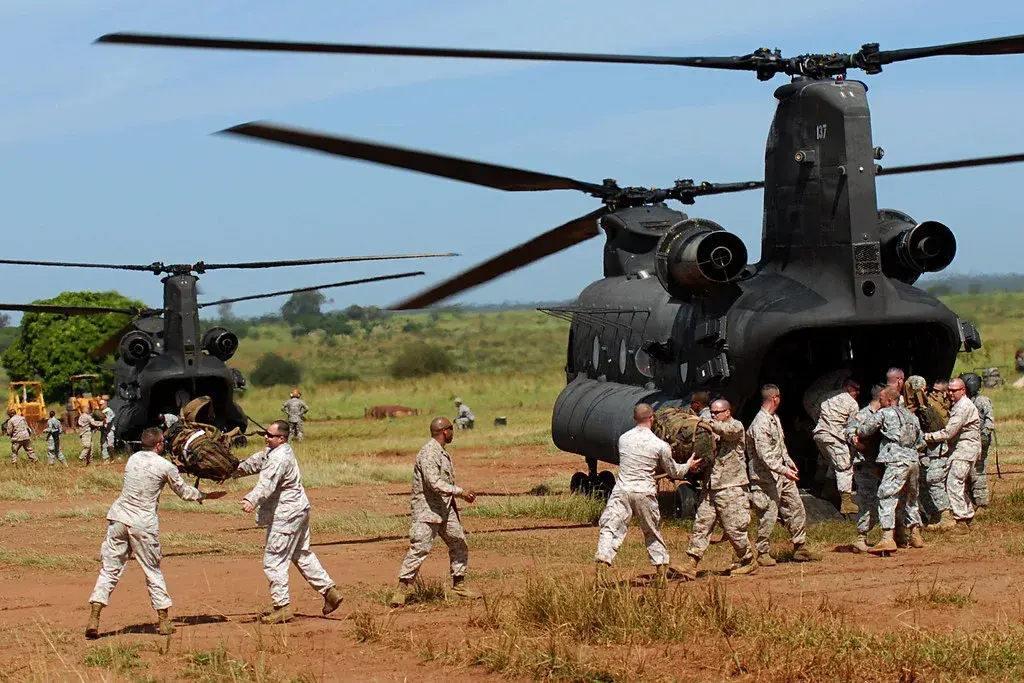
President Trump arrived back in Washington on Saturday morning following high-stakes summit discussions with Chinese President Xi Jinping, as international health officials simultaneously scrambled to contain a lethal outbreak of Ebola in Central Africa. The convergence of these events marks a pivotal moment for global stability, as the administration pivots from trade and geopolitical negotiations to a potential humanitarian and medical crisis that threatens regional security.
Contextualizing the Geopolitical Summit
The summit between the U.S. and Chinese leaders comes at a time of strained economic relations and shifting international alliances. Both nations remain locked in complex negotiations regarding trade tariffs, intellectual property, and regional influence in the Pacific.
Observers note that the outcome of these meetings is expected to dictate the trajectory of global markets for the remainder of the year. The return of the President signals the commencement of a briefing period for cabinet members to address the specific agreements reached in the room.
The Ebola Threat in Central Africa
While diplomatic focus remains on the East, the World Health Organization (WHO) has issued urgent warnings regarding a new, highly virulent strain of Ebola emerging in Central Africa. Health authorities indicate that the virus is spreading in areas with limited infrastructure, complicating efforts to implement effective quarantine measures.
Medical experts warn that the fatality rate for this specific strain is significantly higher than previous outbreaks documented in the region. The difficulty in tracing contacts in densely populated or remote areas remains the primary challenge for international aid organizations.
Expert Perspectives on Crisis Management
Epidemiologists suggest that the speed of the current outbreak requires an immediate, coordinated response from the international community. Dr. Aris Thorne, a specialist in tropical diseases, notes that “containment is not merely a medical necessity but a logistical race against time to prevent a regional pandemic.”
Meanwhile, foreign policy analysts argue that the U.S. response to this health crisis will serve as a litmus test for the administration’s “America First” agenda versus the necessity of global cooperation. Financial data from the weekend indicates that volatility in commodity markets is already reflecting investor anxiety over both the potential for a global health slowdown and the uncertainty of U.S.-China trade relations.
Industry Implications and Future Outlook
For the healthcare industry, this outbreak underscores the critical need for accelerated vaccine development and improved supply chain resilience. Manufacturers of personal protective equipment (PPE) and rapid diagnostic tools are already bracing for a surge in demand as the WHO prepares to deploy additional resources to the affected zones.
Looking ahead, stakeholders should monitor the White House for any upcoming executive directives regarding international health funding and the potential for a dedicated task force. The coming weeks will determine whether the diplomatic momentum from the summit can be leveraged to foster international cooperation in addressing the worsening Ebola situation, or if the health crisis will become another point of contention between the world’s leading economies.