




The Timing of the 2026 Pilgrimage
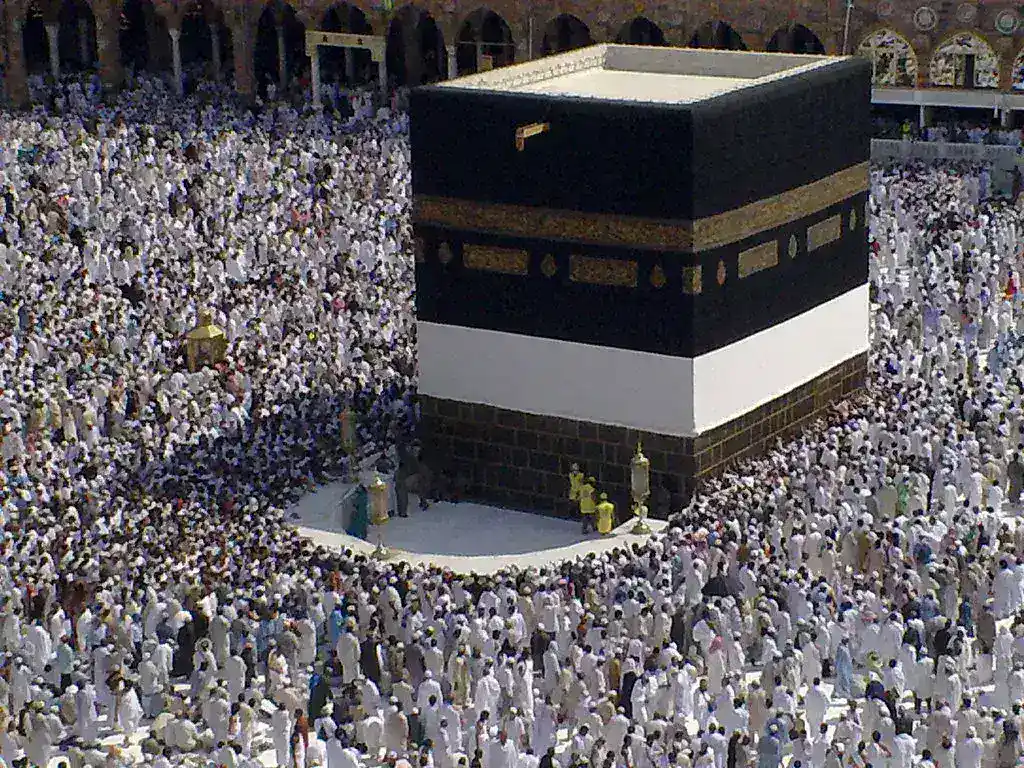
Approximately 2 million Muslims from across the globe are expected to gather in Mecca, Saudi Arabia, for the annual Hajj pilgrimage, which is scheduled to commence on May 25, 2026. This sacred journey, a central pillar of the Islamic faith, coincides with the celebration of Eid al-Adha, marking a significant period of religious observance and communal reflection for the world’s 1.9 billion Muslims.
The Astronomical Basis of Hajj
The dates for Hajj and Eid al-Adha are determined by the Islamic lunar calendar, which relies on the sighting of the new moon. Because the lunar year is approximately 11 days shorter than the Gregorian solar calendar, the pilgrimage dates shift forward each year. This seasonal drift means that the Hajj experience varies significantly over time, transitioning through different climate conditions as it moves through the Gregorian cycle.
Logistics and Global Participation
Saudi authorities manage the immense logistical challenge of the Hajj by coordinating with government agencies worldwide to allocate quotas for pilgrims. The Ministry of Hajj and Umrah works year-round to ensure safety, infrastructure, and health services are prepared for the influx of millions. In 2026, the arrival of the pilgrimage in late May suggests the event will occur during the warming transition of the Saudi Arabian climate, requiring careful management of heat-related risks for the elderly and vulnerable participants.
Expert Perspectives on Modern Pilgrimage
Religious scholars emphasize that Hajj is not merely a physical journey but a profound spiritual transformation designed to foster equality and unity. “The pilgrimage strips away worldly indicators of status, forcing a focus on the shared human experience before the divine,” notes Dr. Ahmed Al-Sayed, a researcher in Islamic studies. Data from the Saudi government indicates that the nation has invested billions in digital infrastructure to streamline visa processing and crowd control, utilizing AI-driven crowd management systems to enhance the safety of the tawaf ritual around the Kaaba.
Economic and Social Implications
The influx of millions of visitors has a profound impact on the regional economy of Saudi Arabia and the logistics sectors of the pilgrims’ home countries. Aviation, hospitality, and travel services see a significant surge in demand during the weeks surrounding the pilgrimage. For the global Muslim community, the event serves as a major touchpoint for international networking, cultural exchange, and the reinforcement of religious identity across diverse geopolitical landscapes.
Future Outlook and Developments
Looking ahead, Saudi Arabia continues to expand its “Vision 2030” initiative, which aims to increase the capacity for both Hajj and Umrah pilgrims to reach 30 million annually by the end of the decade. As the world watches the 2026 dates approach, observers should monitor potential shifts in travel regulations and the integration of further technological enhancements in crowd management. The continued evolution of the Hajj infrastructure remains a critical barometer for the Kingdom’s modernization efforts and its role as the primary custodian of the holiest sites in Islam.