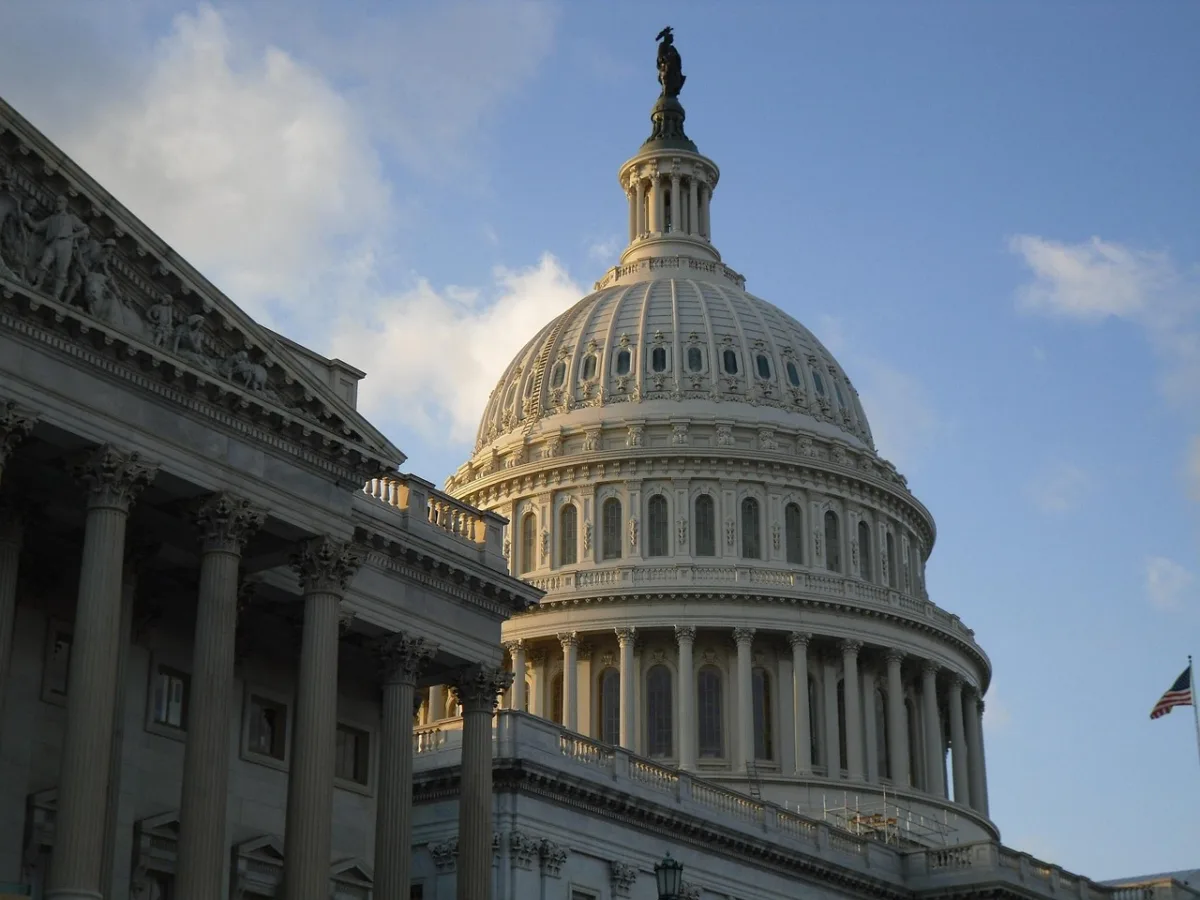






House Republicans, on a recent Thursday, canceled a scheduled vote on a war powers resolution aimed at curtailing U.S. military engagement with Iran, a measure widely anticipated to pass if brought to the floor. This eleventh-hour cancellation, which effectively shielded former President Donald Trump from potential political embarrassment, starkly illustrates a growing fracture within Congress and a notable decline in bipartisan support for the executive branch’s approach to tensions with Iran.
Understanding the War Powers Resolution
The War Powers Resolution of 1973 is a federal law intended to check the U.S. president’s power to commit the United States to armed conflict without the consent of Congress. Enacted in the aftermath of the Vietnam War, it requires the president to notify Congress within 48 hours of committing armed forces to military action and forbids armed forces from remaining for more than 60 days, with a further 30-day withdrawal period, without congressional authorization for use of military force (AUMF) or a declaration of war. Historically, presidents from both parties have viewed the resolution as an unconstitutional infringement on their executive authority, leading to frequent clashes with Congress over its application.
The context for this particular resolution stems from heightened U.S.-Iran tensions, which have included drone strikes, naval confrontations, cyberattacks, and proxy conflicts across the Middle East. While not a declared ‘war’ in the traditional sense, U.S. military presence and actions in the region, particularly after events like the targeted killing of Iranian General Qassem Soleimani, have consistently raised questions about the scope of presidential authority and the necessity of congressional oversight.
The Canceled Vote and its Political Ramifications
The specific resolution in question sought to assert Congress’s constitutional authority over military action, effectively requiring the president to cease U.S. involvement in hostilities against Iran unless explicitly authorized by a declaration of war or specific legislative action. Its likely passage, even with a Republican-controlled House at the time, would have sent a powerful bipartisan message of congressional unease regarding the ongoing military posture towards Iran.
The decision to cancel the vote, reportedly made by Republican leadership, was a clear strategic move to prevent a public split within the party and avoid a direct challenge to the former president’s foreign policy prerogatives. Had the resolution passed the House with significant Republican backing, it would have highlighted deep divisions and potentially undermined the administration’s claims of broad support for its Iran strategy. This maneuver underscores the delicate balance of power and political loyalties at play when national security decisions intersect with domestic politics.
Political analysts suggest the cancellation is indicative of a broader trend where congressional factions, even within the same party, are increasingly willing to challenge executive authority on matters of war and peace. The willingness of some Republicans to support such a resolution signaled a discomfort with what they perceived as an overreach of presidential power or an undesirable escalation of tensions in the Middle East. This internal dissent made the vote too risky for leadership, leading to its withdrawal from the legislative calendar.
Expert Perspectives and Constitutional Debates
Constitutional scholars frequently point to the War Powers Resolution as a critical, albeit often challenged, mechanism for upholding the separation of powers. “The Constitution is clear that the power to declare war rests with Congress,” noted one legal expert, who spoke on background due to ongoing policy debates. “When military actions are undertaken without explicit congressional approval, it erodes that fundamental check and balance, regardless of the administration in power.”
Data from various think tanks and public opinion polls consistently indicate a significant portion of the American public expresses skepticism about prolonged military engagements without clear objectives or congressional authorization. This public sentiment often fuels congressional efforts to reassert their constitutional role, particularly in conflicts perceived to lack a defined end-game or direct threat to U.S. soil. The bipartisan nature of past war powers resolutions, even when ultimately vetoed, reflects a shared institutional concern across the aisle.
Implications for U.S. Foreign Policy and Congressional Authority
The cancellation of this vote carries significant implications for both U.S. foreign policy and the future of congressional oversight. For U.S.-Iran relations, it means the executive branch retains considerable latitude to conduct military operations and maintain its current posture without immediate legislative constraints. This lack of a clear congressional directive could prolong the period of heightened tension and uncertainty in the region.
More broadly, the episode highlights the ongoing struggle for power between the executive and legislative branches on matters of war. While the cancellation prevented an immediate rebuke, it does not extinguish the underlying desire within Congress to reclaim its constitutional authority. Future attempts to invoke the War Powers Resolution or pass new authorizations for military force are highly probable, especially as the political landscape shifts.
Observers will be closely watching for renewed legislative efforts, potentially through appropriations bills or other mechanisms, to influence U.S. military activities in the Middle East. The debate over the War Powers Resolution and the scope of presidential authority in committing troops abroad is far from over; this cancellation merely postponed another chapter in a long-standing constitutional contention.