





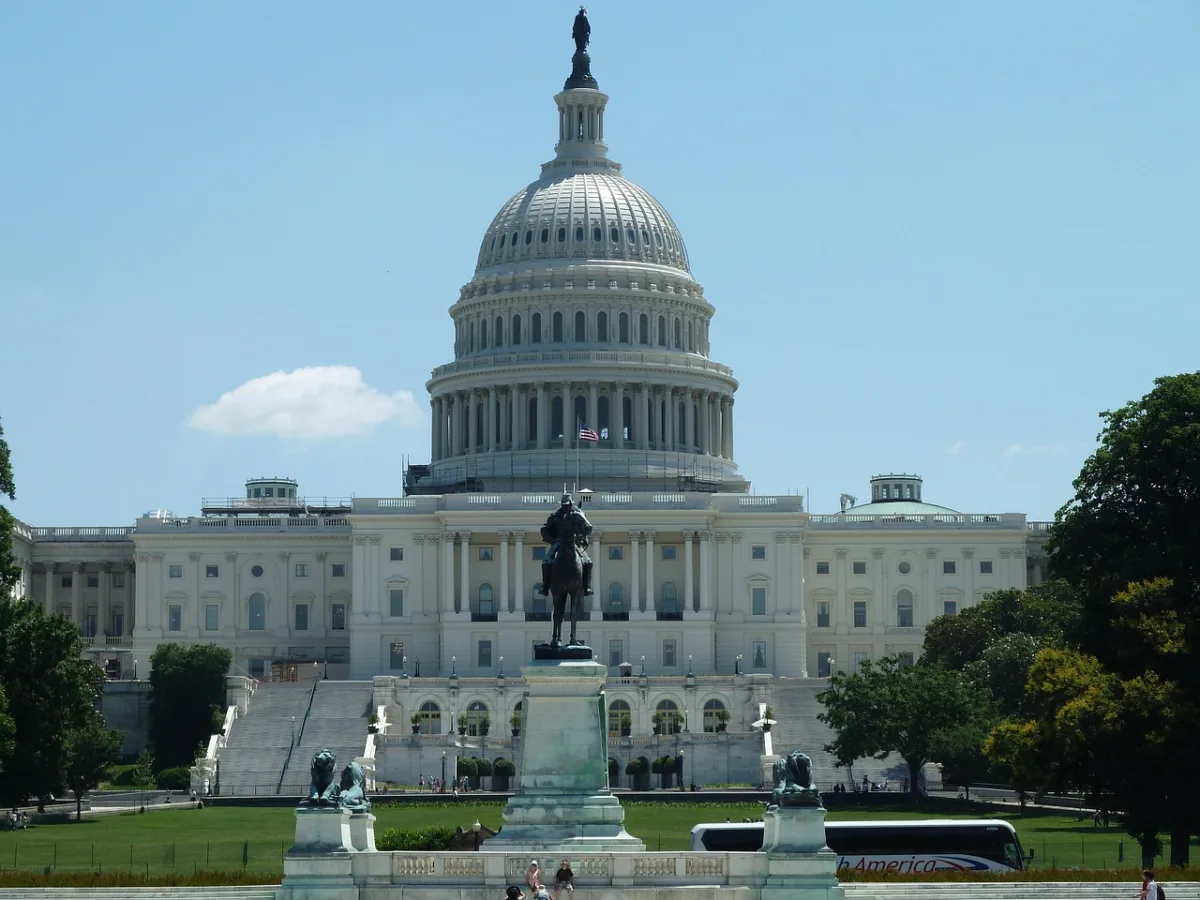
Nearly a decade after Congress overhauled its internal grievance procedures to combat workplace misconduct, current aides and former staff members report that sexual harassment remains a pervasive issue within the halls of the U.S. Capitol. Despite the implementation of the Congressional Accountability Act Reform Act in 2018, which was designed to streamline the reporting process and protect victims, employees describe a persistent culture of impunity that continues to threaten the safety and professional advancement of legislative staff.
The Evolution of Congressional Accountability
The 2018 reforms were prompted by a #MeToo-era reckoning that highlighted systemic failures in how Congress handled complaints of harassment and discrimination. Legislators replaced a cumbersome, months-long mediation process with a more direct reporting system, intended to remove barriers for victims who feared professional retaliation.
However, many staffers argue that these structural changes failed to address the underlying power dynamics inherent in the legislative workplace. The unique nature of congressional employment, where staff rely heavily on the personal favor of elected officials, creates a distinct vulnerability that standard human resources policies struggle to mitigate.
Systemic Barriers to Reporting
Interviews with dozens of current and former aides reveal that the fear of career suicide remains the primary deterrent for those subjected to unwanted behavior. Even with the removal of mandatory counseling sessions, staff members report that the professional ecosystem of Washington, D.C., is small and interconnected, making the prospect of filing a formal complaint against a powerful lawmaker or senior official daunting.
Data from the Office of Congressional Workplace Rights (OCWR) indicates that while reports are being filed, the number of successful resolutions remains low. Critics contend that the current system still places an undue burden on the victim to navigate legal and administrative hurdles, often without the robust institutional support found in the private sector.
The Power Imbalance
The power dynamic between members of Congress and their subordinates is central to the persistence of these issues. Unlike typical corporate structures, congressional offices operate with high levels of autonomy, often lacking the oversight mechanisms necessary to enforce strict codes of conduct consistently.
Labor experts suggest that the lack of standardized training and the reliance on non-disclosure agreements, even if discouraged, continue to shroud incidents in secrecy. When internal investigations are conducted, the lack of transparency often leaves victims feeling isolated and skeptical of the outcome.
Industry Implications and Future Outlook
For the legislative branch, the continued presence of harassment presents a significant challenge to institutional legitimacy and the ability to attract top-tier talent. If the culture within the Capitol does not evolve, experts warn that the institution risks losing a generation of professionals who prioritize workplace safety over proximity to power.
Looking ahead, observers should watch for potential legislative efforts to further professionalize the Capitol’s human resources operations, including calls for independent oversight bodies that operate outside the control of leadership. Whether Congress can shift from a culture of silence to one of true accountability remains the defining question for the next session of government.