





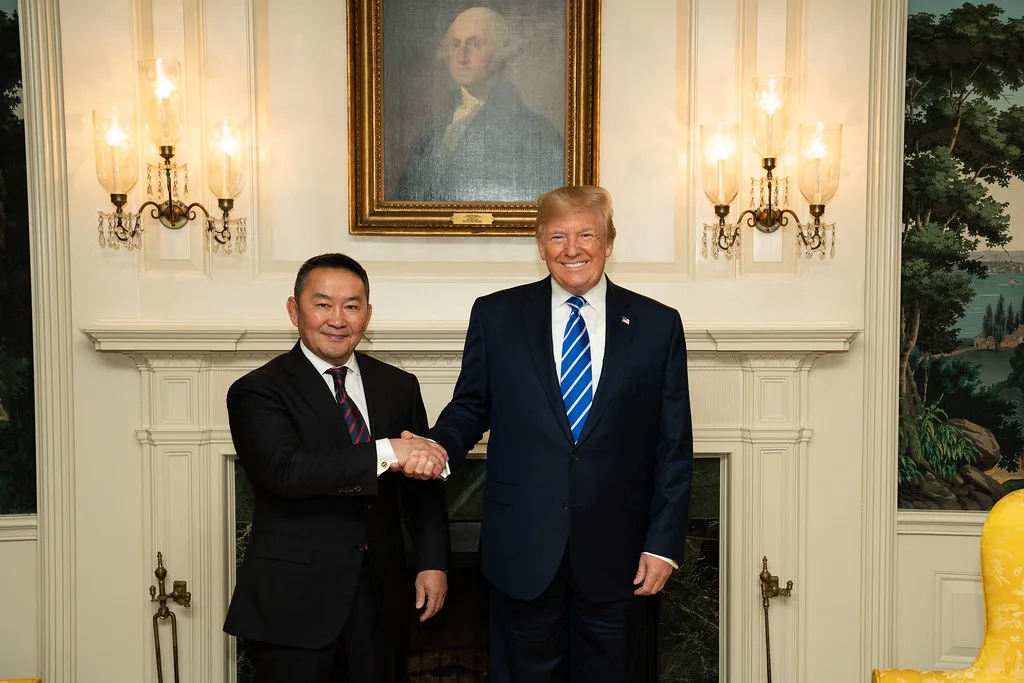
Prime Minister Narendra Modi announced this week that India and the Netherlands have officially elevated their bilateral relations to a strategic partnership. During high-level diplomatic discussions, the two nations signed a series of new agreements aimed at deepening cooperation in key sectors, including sustainable development, water management, and advanced technology. This shift marks a significant milestone in the diplomatic history between New Delhi and The Hague, signaling a commitment to closer geopolitical and economic alignment.
Building on a Long-Standing Foundation
The relationship between India and the Netherlands has historically been rooted in robust trade and investment. The Netherlands currently ranks as one of the largest foreign direct investors in India, with Dutch companies playing a pivotal role in the Indian infrastructure and logistics sectors.
Previously, bilateral engagement focused primarily on commercial exchanges. By transitioning to a strategic partnership, both countries intend to move beyond transactional trade into long-term collaborative frameworks. This elevation reflects the growing importance of the Indo-Pacific region in Dutch foreign policy and India’s desire to leverage European expertise in specialized industries.
Focusing on Sustainability and Innovation
The newly signed agreements emphasize the transfer of green technology and climate-resilient infrastructure. Given the Netherlands’ global reputation for water management and flood protection, India seeks to adopt Dutch methodologies to address its own urban water challenges.
Digital transformation also occupies a central role in this expanded partnership. Both governments have pledged to foster collaboration between their respective tech ecosystems, particularly in the fields of artificial intelligence, cybersecurity, and semiconductor research. This synergy is designed to bolster supply chain resilience and reduce reliance on single-source manufacturing hubs.
Expert Perspectives and Economic Data
Economic analysts suggest that the upgrade is timely, as global supply chains undergo a massive reconfiguration. According to recent data from the Department for Promotion of Industry and Internal Trade (DPIIT), Dutch investments in India have exceeded $40 billion over the past two decades.
Dr. Anjali Rao, a senior fellow at the Institute for Global Trade, notes that the strategic partnership provides a legal and political framework that mitigates risk for private investors. “By formalizing this relationship, both governments are signaling to their respective private sectors that these markets are now prioritized for deeper integration,” Rao stated.
Implications for the Global Landscape
For Indian businesses, the partnership opens doors to the European Union market, utilizing the Netherlands as a gateway for exports and technology absorption. Conversely, Dutch firms gain preferential access to India’s rapidly growing digital economy and green energy transition projects.
Looking ahead, observers should monitor the implementation of these agreements through the formation of joint task forces. The next phase will likely see an uptick in bilateral investment summits and the launch of pilot projects in smart city development. As both nations align their regulatory standards, the stability of this partnership will serve as a bellwether for India’s broader engagement with the European Union.