Strategic Maintenance Planning
The Indian government is actively coordinating with major oil refiners to stagger maintenance shutdowns across the country, ensuring that domestic fuel supply remains stable as Reliance Industries Ltd (RIL) prepares to take units offline. This logistical oversight comes as Nayara Energy’s Vadinar refinery is slated to resume full operations in mid-May, creating a critical window for RIL to begin its scheduled facility maintenance without triggering supply shortages.
The Ministry of Petroleum and Natural Gas is overseeing this delicate balance to prevent a simultaneous reduction in processing capacity. By aligning the restart of one major refinery with the maintenance cycle of another, authorities aim to maintain a consistent flow of petroleum products to both domestic and international markets.
Context of Refinery Operations
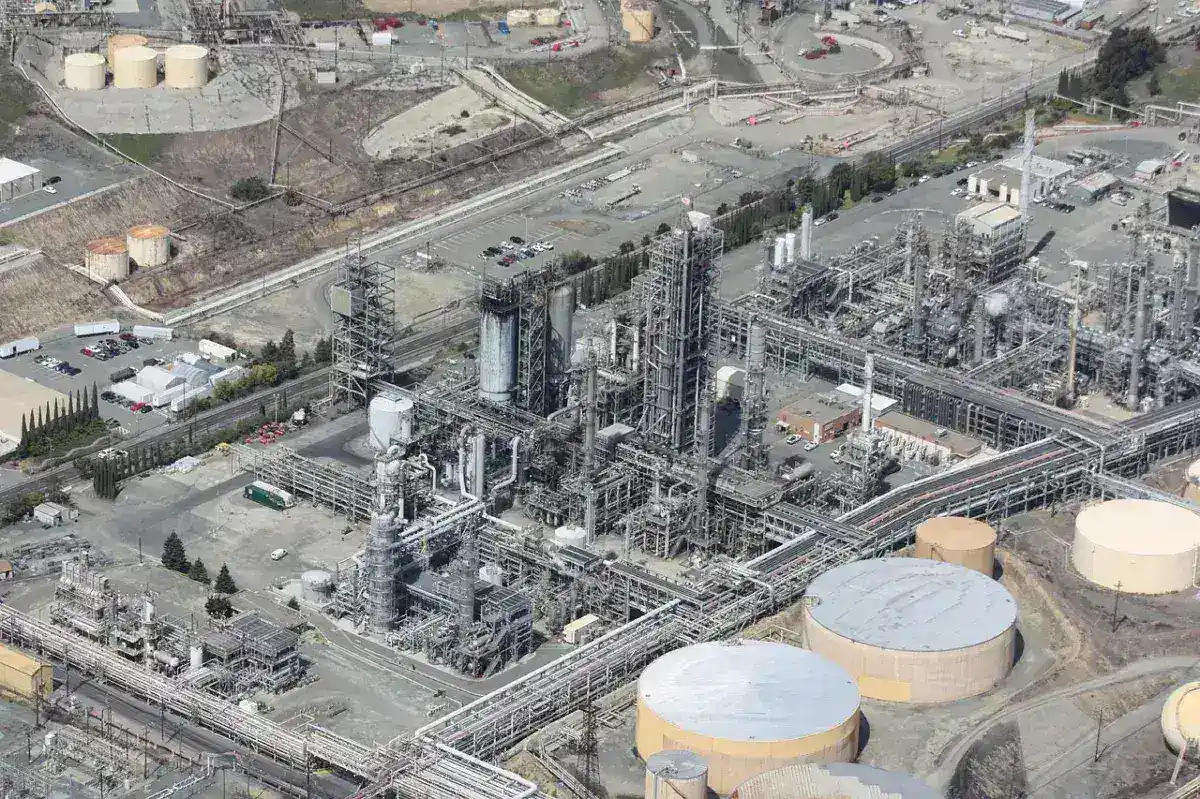
Refineries require periodic maintenance, often referred to as turnarounds, to ensure safety, efficiency, and compliance with environmental regulations. These processes involve shutting down complex processing units for weeks to conduct inspections, repairs, and technological upgrades.
In a nation like India, which relies heavily on imported crude oil and maintains a massive domestic demand for transport fuel, any overlap in refinery downtime can lead to market volatility. Historically, unplanned outages or poor scheduling have resulted in price spikes and localized supply chain disruptions, prompting the government to take a more interventionist approach in facility planning.
Balancing Market Supply
The transition between Nayara’s Vadinar facility and RIL’s refinery infrastructure represents a broader trend of centralized monitoring in the energy sector. Nayara Energy, which operates one of India’s largest private refineries, recently completed extensive maintenance work that necessitated a temporary reduction in output. The return of this capacity is essential for the government to approve the upcoming downtime at RIL’s Jamnagar complex.
Industry analysts note that this coordination is vital for maintaining India’s status as a net exporter of refined products. By ensuring that the total processing capacity does not dip below a critical threshold, the government protects the interests of downstream distributors and retail consumers alike.
Expert Perspectives
Energy market experts suggest that this regulatory hand-holding reflects the growing complexity of the global energy landscape. With geopolitical tensions impacting crude pricing, internal operational efficiency has become a primary lever for energy security.
According to recent government data, India’s total refining capacity stands at approximately 250 million metric tonnes per annum. Maintaining even a small percentage of this capacity offline for too long can have outsized impacts on regional wholesale pricing. The coordinated scheduling strategy acts as a buffer, preventing the accumulation of maintenance-related supply gaps that could otherwise influence inflation metrics.
Future Implications
The primary implication of this strategy is a more predictable, albeit tightly regulated, domestic energy market. For stakeholders, this means that the risk of supply-side shocks during maintenance seasons is likely to decrease, provided the government maintains its oversight role.
Looking ahead, industry watchers will monitor whether this level of intervention remains necessary as India expands its refining capacity. As new projects come online, the government will likely need to refine its scheduling mechanisms to account for a larger, more diverse network of refineries. The effectiveness of this current transition period will serve as a blueprint for future energy security policies in a rapidly growing economy.