




Diplomatic Uncertainty Amidst Military Pressure
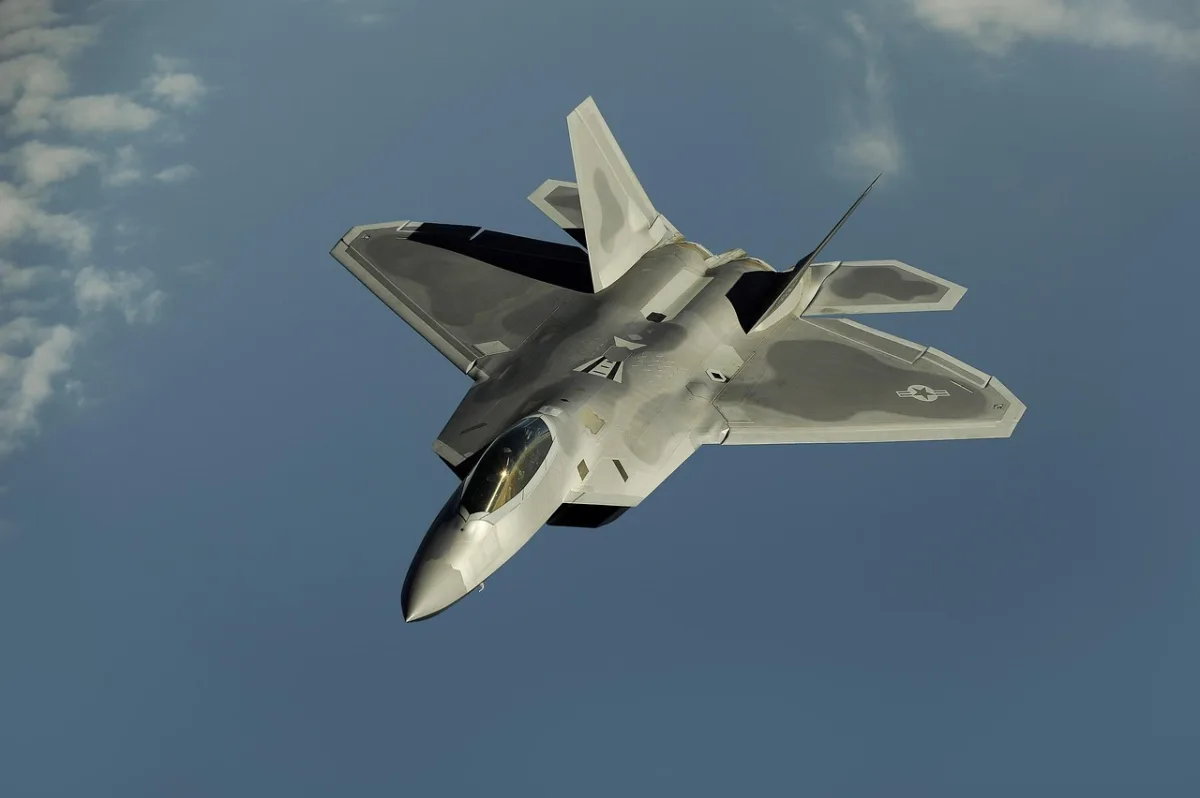
President Donald Trump announced on Tuesday that his administration has engaged in productive discussions with Iranian officials over the past 48 hours, suggesting that a potential diplomatic deal could be within reach. Despite this optimism, the President simultaneously issued a stark warning via social media, explicitly threatening Iran with further military attacks should the nation fail to reach a formal agreement.
The Context of Escalating Tensions
This development follows a period of heightened friction between Washington and Tehran, characterized by cycles of economic sanctions and military posturing. The administration’s policy of ‘maximum pressure’ has sought to force Iran back to the negotiating table to address concerns regarding its nuclear program and regional influence. Recent months have seen a series of maritime incidents and regional proxy conflicts that have kept international observers on high alert.
The Dual-Track Strategy
The administration’s approach combines the prospect of sanctions relief with the threat of kinetic military action. By publicly touting the progress of secret back-channel communications while maintaining a credible threat of force, the White House is attempting to leverage a narrow window of opportunity for a breakthrough. Analysts note that this strategy aims to maximize domestic political capital while signaling to regional allies that the U.S. remains prepared to act decisively.
Expert Analysis and Regional Implications
Foreign policy experts remain divided on the efficacy of this high-stakes brinkmanship. Some analysts argue that the pressure campaign is finally forcing Iranian leadership to reconsider their economic constraints, while others suggest that public threats may force Tehran into a defensive posture, making a concession appear politically impossible for the Iranian government. According to recent data from the International Institute for Strategic Studies, the regional balance of power remains volatile, with military readiness levels in the Persian Gulf currently at their highest point since early 2020.
Economic and Global Market Impact
Global markets have responded with characteristic sensitivity to the mixed signals emerging from the White House. Oil prices fluctuated significantly in the hours following the President’s statement, reflecting investor anxiety over the potential for supply chain disruptions in the Strait of Hormuz. For multinational corporations and shipping firms, the uncertainty necessitates a cautious approach to operations in the region until a formal resolution is finalized.
Future Outlook and Monitoring
The coming weeks will be critical as observers monitor whether these ‘productive talks’ translate into a concrete framework for de-escalation or if the threat of force becomes the primary driver of the relationship. Key indicators to watch include the status of back-channel diplomatic missions, any movement in Iranian nuclear enrichment activities, and official statements from Tehran regarding their willingness to engage in direct, public negotiations. Should these talks stall, the potential for a rapid shift toward military engagement remains a significant risk for regional stability.