




Public Mobilization Efforts
In a significant shift toward domestic security readiness, Iranian authorities have begun conducting light weapons training sessions for male and female civilians within local mosques across several major cities this week. The initiative, organized by regional security apparatuses, aims to familiarize the general population with basic defensive tactics and firearm handling, marking a notable increase in the state’s emphasis on civil defense preparedness.
Historical and Geopolitical Context
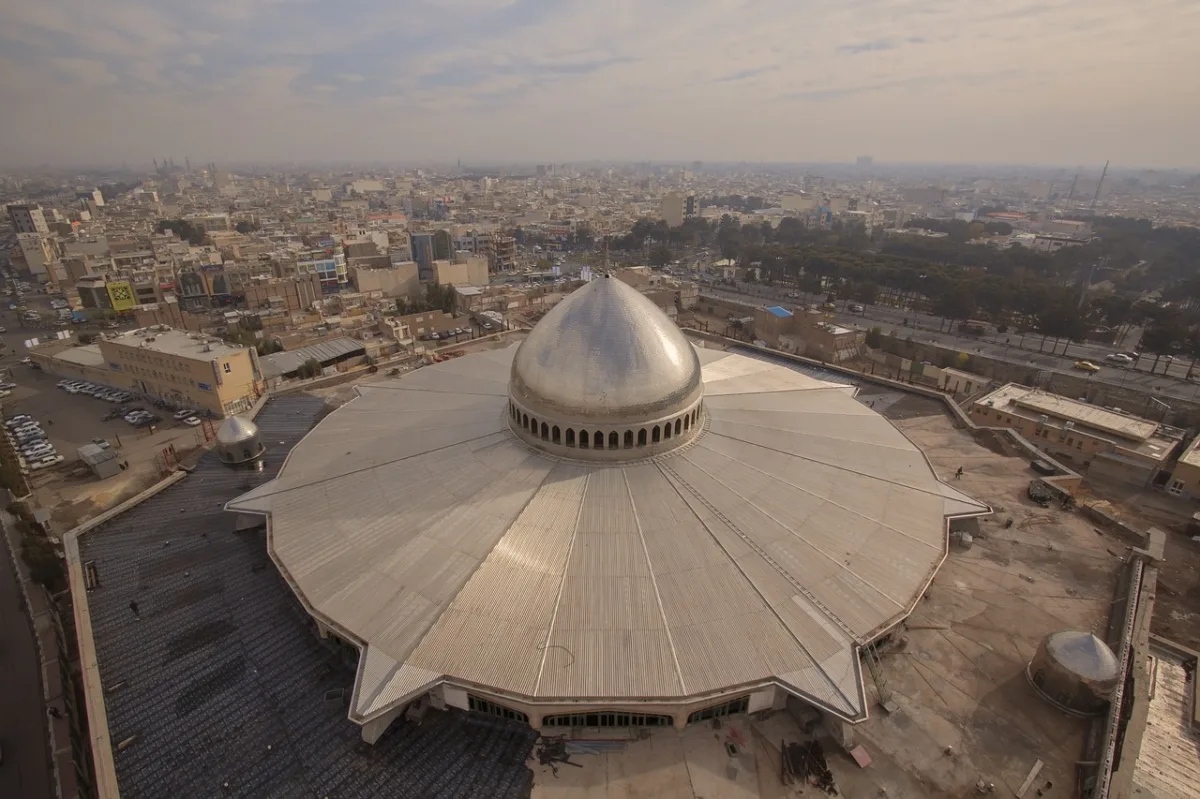
The integration of mosques into the national defense infrastructure reflects a long-standing strategy in Iran, where religious centers serve as hubs for social organization and ideological mobilization. Throughout the post-revolutionary era, the Baseej—a volunteer paramilitary force under the Islamic Revolutionary Guard Corps (IRGC)—has frequently utilized these community spaces to disseminate training and promote national security narratives. This recent expansion appears to broaden the scope of these programs to include a wider demographic, signaling a heightened state of alert amid ongoing regional tensions.
The Scope of Defensive Training
Reports from local observers indicate that the training sessions focus primarily on the mechanics of light weaponry, safety protocols, and defensive maneuvers. By decentralizing these exercises from traditional military bases to neighborhood mosques, the government effectively lowers the barrier to participation for civilians who might otherwise remain detached from formal security training. This tactical move serves to integrate local communities into a decentralized defensive network, theoretically enhancing the resilience of urban centers against potential external threats.
Security Analysis and Expert Perspectives
Analysts suggest that these training programs serve dual purposes: practical skill acquisition and psychological deterrent signaling. While officials frame the sessions as a precautionary measure for public safety, security experts note that such widespread training creates a mobilized reserve force capable of responding to both domestic unrest and foreign incursions. According to data from independent security observers, the formalization of these civilian programs often correlates with periods of heightened diplomatic friction, suggesting a strategic effort to consolidate internal stability.
Industry and Societal Implications
For the average Iranian citizen, the prevalence of these sessions underscores the increasing intersection of daily civilian life and national security policy. As the government continues to invest in these grassroots initiatives, local community leaders are finding themselves at the center of a national defense strategy. The shift toward a more militarized civilian populace may reshape local social dynamics, as the traditional boundaries between military duty and civilian life become increasingly blurred.
Future Outlook
Observers are now closely monitoring whether these training sessions will scale to include more advanced tactical drills or if they will remain limited to basic light weapons proficiency. The long-term impact on regional stability remains a primary concern for international stakeholders, who view the mobilization of civilian infrastructure as a barometer for the state’s perceived threat level. Future developments to watch include potential government announcements regarding the expansion of these programs to rural provinces and the integration of digital tracking systems for those who have completed the training.