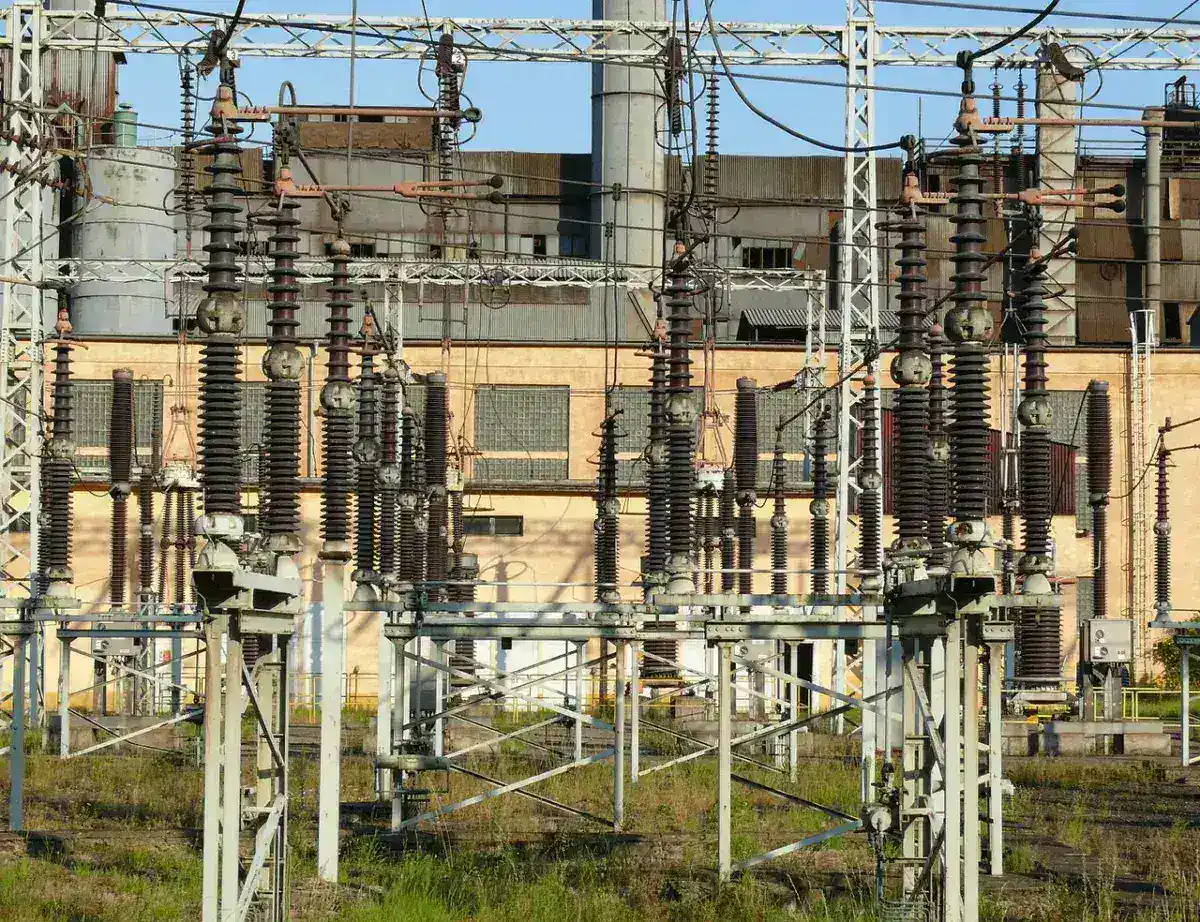
Jammu and Kashmir Chief Minister Omar Abdullah announced the formal approval of power infrastructure projects worth ₹93 crore during the sixth meeting of the Council of Ministers held in Srinagar this week. The initiative aims to modernize the region’s aging electrical grid, reduce transmission losses, and provide reliable electricity to rural and urban households across the union territory.
Context and Historical Challenges
The power sector in Jammu and Kashmir has long struggled with technical inefficiencies, including high Aggregate Technical and Commercial (AT&C) losses that have hindered developmental progress. Historically, the region has faced significant challenges regarding grid stability, particularly during the harsh winter months when demand surges and infrastructure becomes prone to failure.
Successive administrations have attempted to address these bottlenecks through various centrally sponsored schemes. However, the current approval represents a targeted effort to improve local distribution networks and upgrade substations that have reached their operational capacity.
Details of the Infrastructure Investment
The ₹93 crore allocation is designated for the procurement of modern transformers, the installation of high-capacity transmission lines, and the automation of power distribution systems. According to government officials, the projects prioritize regions that have reported frequent outages and infrastructure degradation over the past decade.
The plan also includes provisions for smart metering and digitized monitoring systems to track power consumption patterns in real-time. By integrating these technologies, the administration expects to improve billing accuracy and identify points of energy leakage within the distribution network more effectively.
Expert Perspectives and Economic Impact
Energy sector analysts suggest that the investment is a critical step toward stabilizing the region’s industrial environment. Reliable power supply is cited as the primary prerequisite for attracting private investment into the manufacturing and tourism sectors of Jammu and Kashmir.
Data from the Power Development Department indicates that even a marginal reduction in transmission losses would result in substantial annual savings for the state exchequer. Economists note that while ₹93 crore is a targeted injection, the long-term benefit will depend on the speed of implementation and the transparency of the tender processes associated with these projects.
Future Implications for the Region
The success of these projects will likely serve as a blueprint for future infrastructure upgrades across the hilly terrain of the union territory. Observers are now watching for the government’s timeline on project execution, specifically regarding the procurement of equipment and the engagement of contractors.
Moving forward, the administration faces the pressure of meeting the rising energy demands of a growing population. Stakeholders will be monitoring whether this initial funding leads to a more comprehensive policy shift toward renewable energy integration and further grid modernization in the coming fiscal year.