The Discovery in Laredo
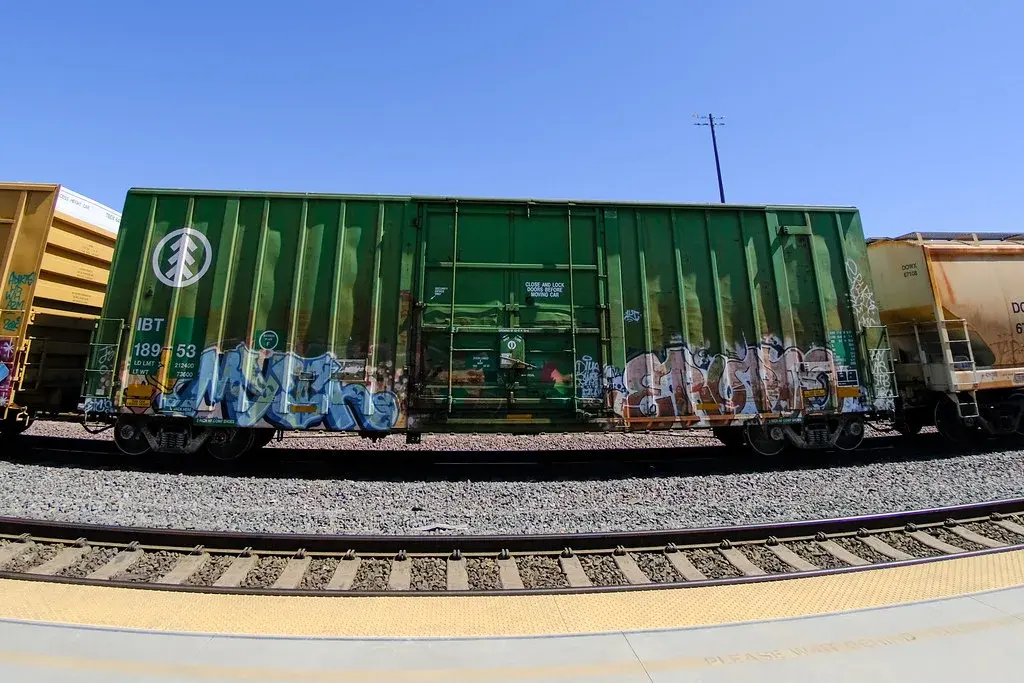
Laredo authorities and Union Pacific Railroad officials are currently investigating the deaths of six individuals discovered inside a freight train boxcar on Wednesday. The grim discovery occurred in Laredo, Texas, a major transit hub situated along the U.S.-Mexico border, as the train was undergoing routine inspections.
Local law enforcement and federal agencies have confirmed that at least one of the deceased individuals was a citizen of Mexico. Investigators are currently working to identify the remaining five victims and determine the circumstances that led to their presence within the sealed container.
The Context of Border Transit
The U.S.-Mexico border remains one of the most perilous transit routes for migrants seeking to enter the United States. Laredo serves as a critical artery for international trade and rail logistics, making its rail yards a frequent focal point for both legitimate freight transport and illicit human smuggling operations.
Union Pacific Railroad has stated it is cooperating fully with local authorities and the Department of Homeland Security. Rail transport is often utilized by smuggling networks, despite the extreme risks posed by the lack of ventilation, volatile temperatures, and the difficulty of escaping a locked steel boxcar during transit.
Operational Dangers and Human Costs
The incident highlights the escalating humanitarian crisis associated with clandestine transit methods. According to data from the International Organization for Migration (IOM), the border region consistently records high numbers of migrant fatalities due to exposure, dehydration, and asphyxiation within transport vehicles.
Experts in border security note that as enforcement measures increase along main thoroughfares, smuggling organizations often pivot to more dangerous, high-risk methods of transport. These methods prioritize concealment over the safety of the individuals being moved, frequently leaving passengers with no means of alerting train operators or emergency services.
Industry and Regulatory Implications
This tragedy places renewed pressure on rail companies to enhance security protocols at border-adjacent rail yards. While Union Pacific utilizes technology such as radiation scanners and canine units to detect contraband, the detection of human beings hidden within dense freight remains a complex operational challenge.
For the logistics industry, this incident underscores the necessity of tighter perimeter security and increased collaboration with federal law enforcement. The ongoing investigation will likely prompt a review of current screening procedures to prevent similar occurrences in the future.
Moving forward, stakeholders will be watching for potential legislative responses regarding border rail security and the implementation of advanced detection technologies. Analysts expect federal agencies to increase surveillance of freight trains originating from border zones, as the industry faces scrutiny over how these vulnerabilities are exploited by criminal organizations.