Final Evacuation Flights Conclude Hantavirus Ship Quarantine in Netherlands
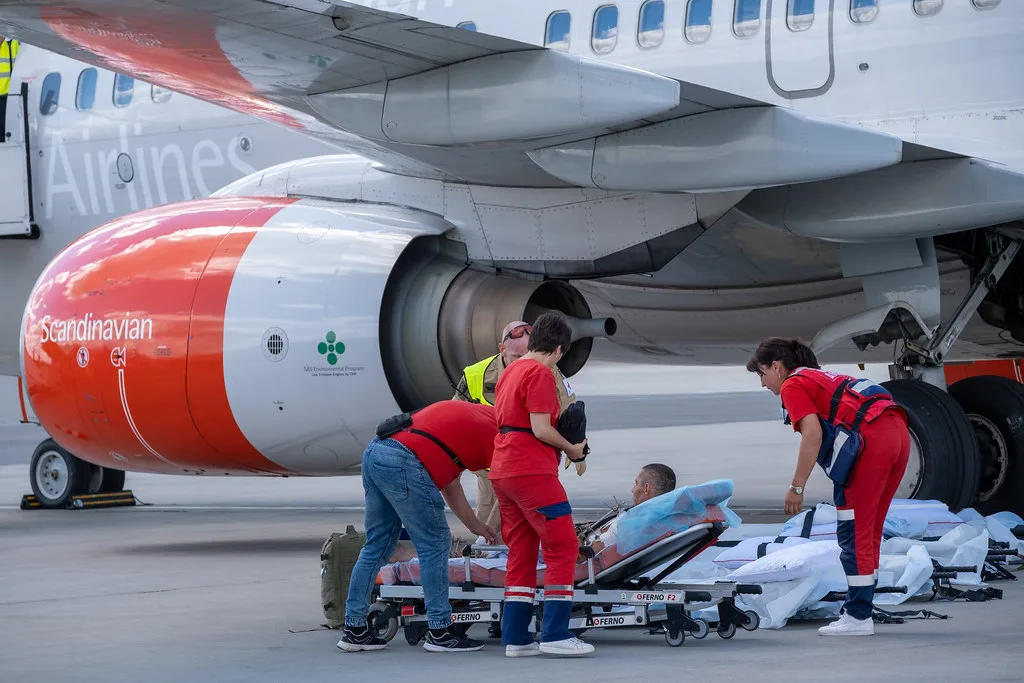
The final two evacuation flights carrying 28 individuals from a cruise ship affected by a hantavirus outbreak landed in the Netherlands on Tuesday, marking the end of a complex international maritime emergency. The Dutch Foreign Ministry confirmed that the group, comprised of passengers, crew members, and specialized medical staff, arrived safely at a military airfield to undergo mandatory health screenings and post-exposure observation.
The vessel had been held in international waters for several days following a sudden cluster of respiratory illnesses reported among those on board. Health authorities identified the cause as hantavirus, a rare but serious zoonotic disease typically transmitted through contact with rodent droppings, saliva, or urine. The sudden nature of the infection forced the ship to isolate, triggering a coordinated response between the shipping line and European health agencies.
Context of the Maritime Outbreak
Hantavirus outbreaks are historically uncommon in maritime environments, which usually focus on gastrointestinal pathogens like norovirus. The emergence of this virus on a cruise ship prompted a swift reassessment of sanitation protocols and vector control measures for international passenger vessels. According to the World Health Organization (WHO), hantavirus pulmonary syndrome (HPS) can be fatal if not treated in the early stages, necessitating immediate medical evacuation for symptomatic individuals.
Detailed Response and Containment
The evacuation operation involved high-level cooperation between the Dutch government and international maritime authorities. Upon arrival, the 28 evacuees were transferred directly into a secure medical facility designated for infectious disease monitoring. Officials emphasized that these individuals were not necessarily symptomatic, but were considered high-risk due to their proximity to initial cases identified on the vessel.
Medical teams equipped with personal protective equipment (PPE) managed the disembarkation process to ensure zero transmission risk to airport staff or the general public. Epidemiologists have begun tracing the source of the exposure, with current investigations focusing on potential rodent infestation in the ship’s storage areas. The shipping line has pledged full cooperation, initiating a deep-cleaning and fumigation process supervised by independent health inspectors.
Expert Perspectives and Public Health Data
Public health experts underscore the importance of rapid containment in preventing the spread of such viruses. Dr. Elena Rossi, an infectious disease specialist, noted that while hantavirus does not typically spread human-to-human, the controlled environment of a cruise ship allows for concentrated exposure if the environmental source is not immediately eliminated. Data from the Centers for Disease Control and Prevention (CDC) suggests that while cases are rare, the fatality rate for HPS can reach up to 35 percent, justifying the extreme caution exhibited by Dutch authorities.
Implications for the Cruise Industry
For the broader cruise industry, this incident highlights the necessity of robust pest control and environmental monitoring. Industry analysts suggest that cruise operators may soon face stricter international regulations regarding sanitation standards and health reporting protocols. The financial impact of the evacuation and the subsequent suspension of the ship’s operations underscores the economic risk of failing to maintain rigorous biosecurity measures.
Looking ahead, industry stakeholders are watching for the final report from the Dutch health ministry to determine if new global standards for maritime health surveillance will be enacted. The maritime sector is expected to invest heavily in advanced sensor technology for rodent detection and increased frequency of health inspections to prevent a recurrence of this public health crisis.