





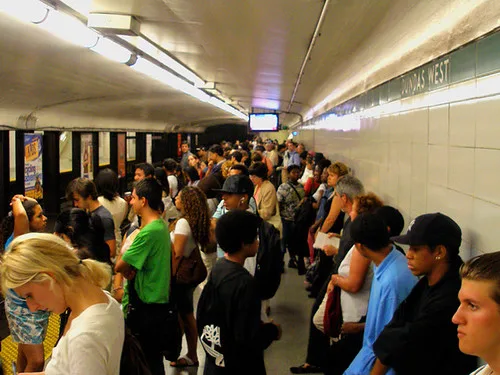
Commuter Uncertainty Grows as Negotiations Stall
The Long Island Rail Road (LIRR) faces a potential service shutdown following the collapse of contract negotiations between the Metropolitan Transportation Authority (MTA) and several labor unions in New York this week. The impasse, which follows months of unsuccessful mediation, leaves hundreds of thousands of daily commuters uncertain about their ability to reach New York City as the threat of a strike becomes increasingly imminent.
The Context of the Labor Dispute
The conflict centers on a long-standing dispute over wage increases, healthcare contributions, and work rules that have remained unresolved since the previous collective bargaining agreement expired. Historically, LIRR labor disputes are characterized by high-stakes federal mediation and the looming specter of a total system shutdown, which would paralyze the largest commuter rail network in the United States.
Previous negotiations in the sector have often relied on Presidential Emergency Boards (PEBs) to intervene when talks reach an impasse. These boards provide recommendations that serve as a framework for a settlement, but they are not legally binding, leaving both parties to agree on the final terms.
Key Points of Contention
The primary friction point remains the disparity between the MTA’s fiscal constraints and the unions’ demands for cost-of-living adjustments that reflect current inflation rates. Union representatives argue that their members have kept the system operational through significant challenges and deserve compensation that keeps pace with the rising cost of living in the New York metropolitan area.
Conversely, the MTA maintains that it must balance the needs of the workforce with the fiscal reality of a transit agency struggling with post-pandemic ridership recovery. Agency officials have cautioned that excessive wage hikes could necessitate fare increases or service cuts elsewhere in the system, creating a difficult trade-off for the public.
Expert Perspectives and Economic Impact
Labor experts suggest that the current climate of high inflation has hardened bargaining positions across the transportation sector. According to data from the Bureau of Labor Statistics, wage growth in the transit industry has struggled to match the broader Consumer Price Index (CPI) increases seen over the last two years, fueling labor unrest.
“The gap between management’s offer and the unions’ expectations is currently wide, and there is little room for compromise without outside intervention or a major shift in fiscal policy,” said one labor relations analyst. The economic implications of a strike are severe, as the LIRR transports roughly 300,000 riders every day, many of whom rely on the service for essential employment in Manhattan.
Future Implications for Commuters
The immediate focus turns to whether the federal government will invoke the Railway Labor Act to delay a strike and appoint a new emergency board. If no intervention occurs, the unions could legally initiate work stoppages, forcing commuters to scramble for alternative transit options, including bus services and ride-sharing platforms, which would likely face unprecedented demand.
Observers are closely watching for any last-minute emergency meetings between the MTA and union leadership. Whether a deal is reached or a strike proceeds, the resolution of this conflict will likely set a precedent for upcoming labor negotiations across other regional transit agencies in the Northeast corridor throughout the coming year.