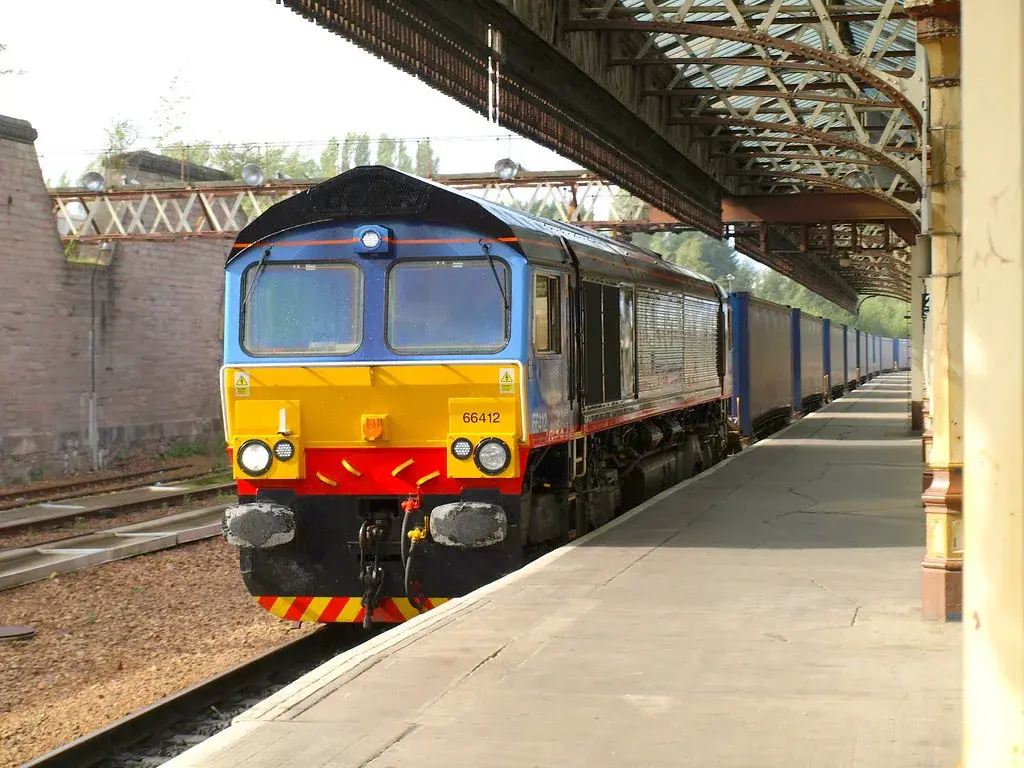
The Long Island Rail Road (LIRR), North America’s largest commuter rail system, halted all operations early Saturday morning after five unions representing approximately 5,400 workers launched a coordinated strike. The work stoppage follows a breakdown in long-standing contract negotiations, effectively stranding hundreds of thousands of daily commuters who rely on the network to travel between Long Island and New York City.
The Context of the Labor Dispute
The impasse stems from years of failed collective bargaining between the Metropolitan Transportation Authority (MTA) and the coalition of unions. At the center of the dispute are disagreements over wage increases, healthcare contributions, and work rule adjustments.
While the MTA has proposed a contract structure aimed at long-term fiscal sustainability, union leadership argues that the offer fails to keep pace with the rising cost of living in the New York metropolitan area. Previous attempts at federal mediation failed to bridge the gap, leading to the current suspension of service.
Operational Impact and Economic Consequences
The strike has immediate, far-reaching effects on the regional economy. The LIRR typically transports roughly 300,000 passengers on a standard weekend, with numbers swelling during peak commuter hours. Without the rail line, the surrounding highway infrastructure is facing unprecedented congestion.
City officials have activated emergency contingency plans, including increased bus service and expanded ferry capacity. However, transportation analysts warn that these alternatives are insufficient to absorb the total volume of daily rail ridership, likely resulting in significant productivity losses for businesses throughout the region.
Expert Perspectives on Transit Labor
Labor economists note that transit strikes often highlight the tension between essential public service mandates and the financial constraints of municipal agencies. According to data from the Bureau of Labor Statistics, public sector unions in the transportation industry have become increasingly assertive as inflation exerts pressure on household budgets.
“The LIRR situation is a classic example of a high-stakes negotiation where both sides feel they have no room to retreat,” says Dr. Elena Rossi, a transportation policy analyst. “The MTA is balancing a massive structural deficit, while the workers are facing the same inflationary pressures as the riders they serve.”
Broader Implications and Future Outlook
The resolution of this strike will likely set a precedent for upcoming labor negotiations across other major U.S. transit agencies. If the MTA is forced to concede to significant wage hikes, it may necessitate fare increases or a reduction in service elsewhere to balance the budget.
Stakeholders should watch for potential intervention from state or federal officials, as the prolonged absence of the LIRR could trigger a formal emergency declaration. In the coming days, the focus will remain on whether the MTA and union leaders return to the negotiating table or if the dispute forces a legislative response from Albany to mandate a settlement and restore regional mobility.