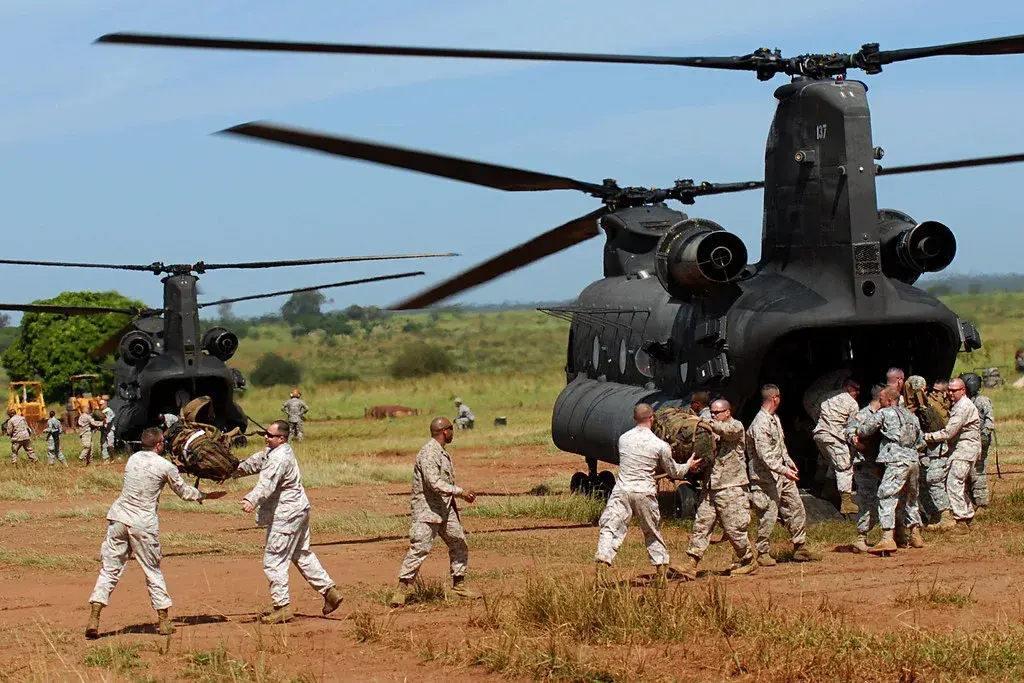





Governor Tim Walz authorized the deployment of the Minnesota National Guard on Tuesday to assist local fire crews in containing rapidly spreading wildfires across the northern reaches of the state. The emergency mobilization follows an official request from the Department of Natural Resources, as persistent drought conditions and high winds have created a volatile environment for fire ignition and spread.
A Changing Climate Landscape
The decision to deploy military assets comes after weeks of unseasonably dry weather in Minnesota, which has left forests and grasslands primed for combustion. According to the National Interagency Fire Center, much of the Upper Midwest has experienced a deficit in precipitation, significantly lowering fuel moisture levels in vegetation.
Governor Walz described the current blazes as both unpredictable and fast-moving, noting that local resources are being stretched to their limit. The executive order declaring a peacetime emergency grants the state the legal flexibility to redirect resources and personnel to the front lines immediately.
Operational Support and Strategy
The National Guard units are providing specialized equipment, including heavy-lift helicopters and tactical water-dropping platforms, to reach terrain inaccessible to ground vehicles. These assets complement the existing firefighting efforts led by the Department of Natural Resources and local municipal fire departments.
State fire officials emphasize that the primary goal of this deployment is to establish containment lines around threatened communities and critical infrastructure. Beyond aerial support, guard members are assisting in the construction of firebreaks and the logistical coordination of supply chains for crews working in remote areas.
Expert Analysis on Fire Severity
Climate scientists point to a shifting pattern of fire behavior in the Great Lakes region. Data from the Minnesota Department of Natural Resources indicates that the length of the fire season has expanded over the past decade, with peak activity occurring earlier in the spring and lasting deeper into the autumn months.
Dr. Elena Vance, a regional meteorologist, notes that the combination of lower humidity and increased wind gusts creates a ‘perfect storm’ for fire behavior. ‘When you combine desiccated forest floors with gusty winds, even a small spark can lead to a containment nightmare within minutes,’ Vance explained.
Industry and Community Implications
The activation of the National Guard serves as a stark reminder of the growing financial and operational burdens placed on state governments by intensified fire seasons. For residents in the northern counties, the news triggers mandatory evacuation planning and heightened vigilance regarding air quality and property protection.
Looking ahead, state agencies are expected to evaluate their fire-suppression budgets and long-term mitigation strategies. Observers will be watching to see how the state adjusts its fire-management policies in anticipation of future seasons that may feature similar climatic stressors. The duration of the National Guard’s involvement will depend heavily on upcoming weather patterns and the success of current containment efforts.