





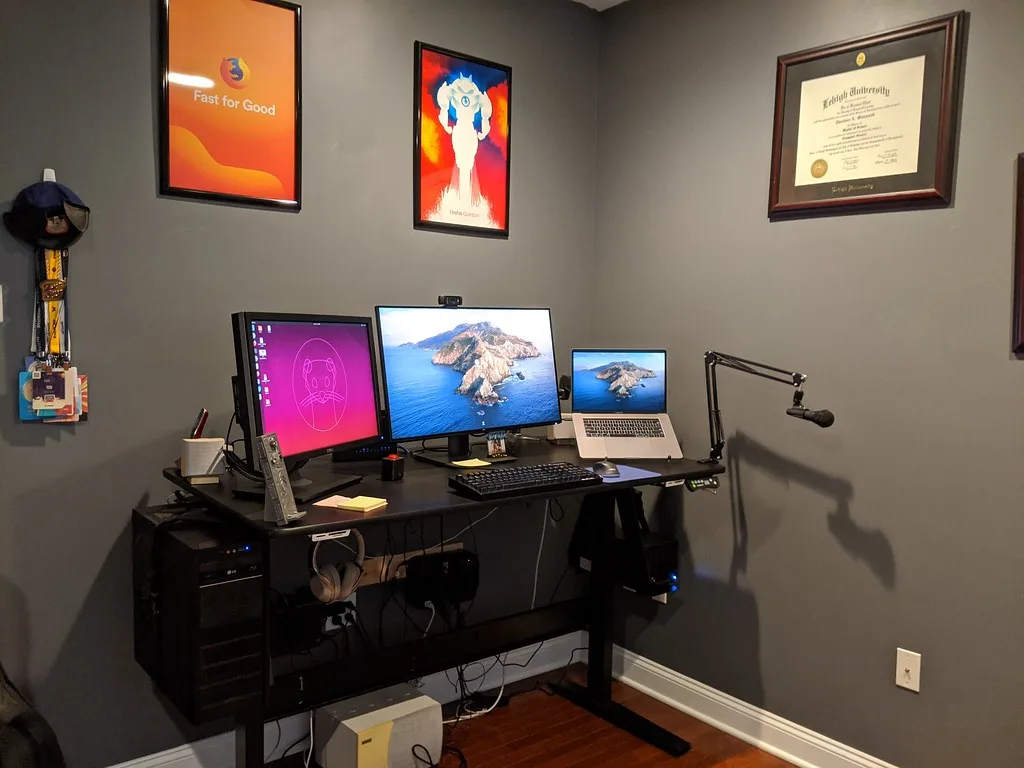
In an era of sedentary professional life, physical therapist Priti Chawla is spearheading a movement to combat the rising tide of workplace-related spinal issues. As remote and office-based tasks increasingly tether workers to chairs for eight or more hours a day, Chawla argues that chronic back pain has become an occupational hazard that requires immediate, proactive intervention.
The Anatomy of Workplace Stagnation
The human spine evolved for constant, varied movement, yet modern office environments are designed for static positioning. Prolonged sitting alters the distribution of pressure on intervertebral discs, often leading to muscle fatigue and ligament strain.
According to the World Health Organization, musculoskeletal conditions are the leading contributor to disability worldwide, with lower back pain affecting nearly 619 million people globally. Chawla emphasizes that the lack of dynamic motion in the workplace creates a physiological environment where injury becomes inevitable rather than accidental.
Ergonomics and the Habitual Shift
Chawla suggests that high-end ergonomic equipment is only half the battle. While proper chair height, monitor alignment, and lumbar support provide a foundation, they cannot replace the necessity of frequent movement.
“Ergonomics is a starting point, not a solution,” Chawla explains. She advocates for the ’20-20-20′ rule applied to movement: every 20 minutes, workers should stand for 20 seconds of stretching or walking to reset their postural baseline.
Evidence-Based Movement Strategies
Integrating micro-movements into a standard workflow is the cornerstone of Chawla’s philosophy. Simple habits, such as taking calls while standing or utilizing a height-adjustable desk, can significantly reduce the cumulative load on the lumbar spine.
Data from recent clinical studies suggest that frequent, low-intensity movement breaks are more effective at preventing chronic pain than a single, high-intensity workout at the end of the day. Consistent, small movements keep the musculature engaged and prevent the tightening of hip flexors, which often pull the pelvis into positions that strain the lower back.
Implications for the Modern Workforce
For employers, the implications of neglecting spinal health are measurable in lost productivity and increased healthcare costs. A workforce that struggles with chronic discomfort is inherently less focused and more prone to burnout.
Chawla urges organizations to move beyond simple equipment stipends and foster a culture where stepping away from the desk is viewed as a health-positive activity. Encouraging walking meetings and scheduled movement breaks can shift the office culture from sedentary to active.
Looking Ahead: The Future of Desk Work
As wearable technology continues to evolve, we can expect a surge in smart office tools that monitor posture in real-time and provide haptic feedback when a user has remained sedentary for too long. Industry analysts predict that the next wave of office design will focus on ‘active furniture’—desks and seating solutions that encourage micro-adjustments throughout the day.
Ultimately, the transition toward a healthier workplace will depend on individual accountability coupled with systemic support. As more professionals recognize that movement is a fundamental component of their daily output, the definition of a productive workday will likely shift to prioritize physical longevity alongside task completion.