



A New Champion Emerges at Laurel Park
Napoleon Solo surged to victory in the Preakness Stakes this past Saturday, narrowly holding off a late charge from Iron Honor to secure the second jewel of horse racing’s Triple Crown. The race, relocated to Laurel Park in Maryland due to the ongoing reconstruction of the historic Pimlico Race Course, featured a wide-open field of 14 contenders following the decision to rest Kentucky Derby winner Golden Tempo.
The Context of a Relocated Classic
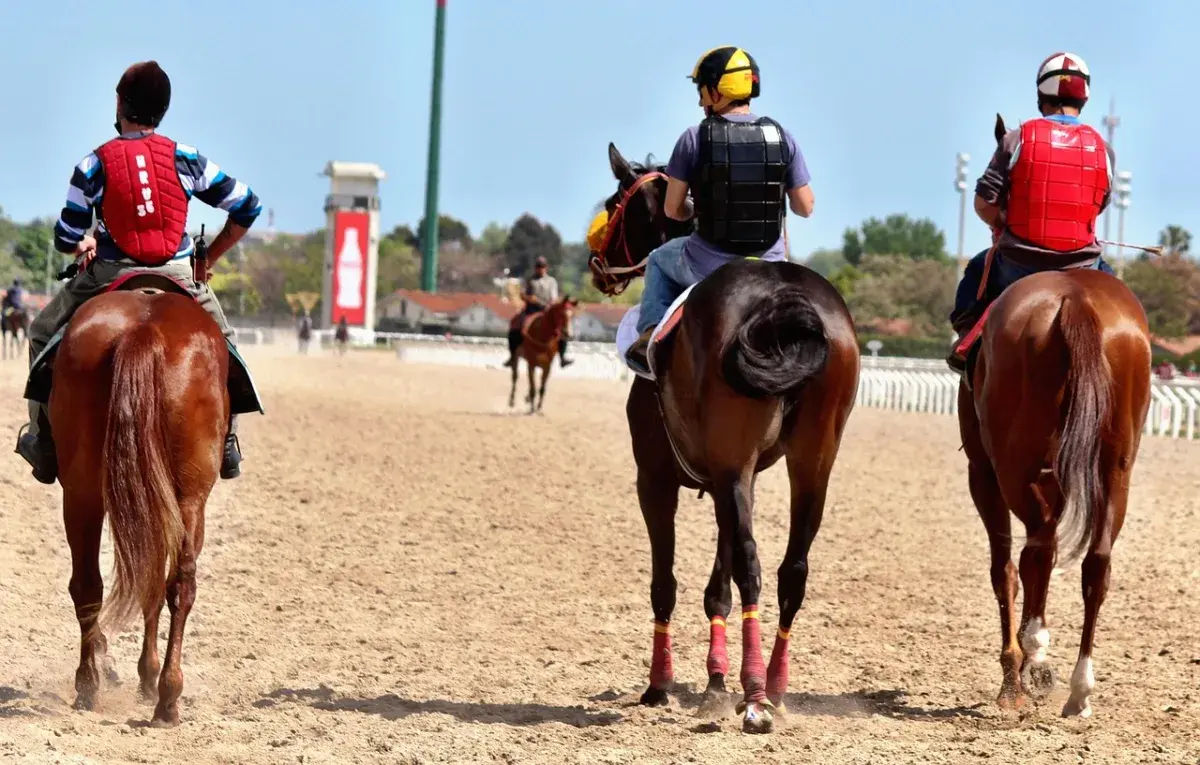
The decision to host the 149th running of the Preakness at Laurel Park marks a significant departure from tradition for the sport. Pimlico, the iconic home of the race since 1873, is currently undergoing a massive multi-million dollar renovation project designed to modernize the aging facility. While the change of venue introduced new track configurations and surface conditions, racing officials noted that the integrity of the event remained the primary focus.
Tactical Maneuvers on the Track
Napoleon Solo, piloted by a veteran jockey, broke cleanly from the gate and established a comfortable position along the rail during the early stages of the mile-and-three-sixteenths race. As the field rounded the final turn, Iron Honor initiated a powerful move from the middle of the pack, challenging the leader with less than a furlong remaining. Napoleon Solo responded to the pressure, digging in to cross the wire by a neck.
The absence of Golden Tempo transformed the race into a tactical puzzle for trainers and jockeys alike. Without a clear frontrunner dominating the morning-line odds, the 14-horse field showcased a variety of running styles, ranging from deep closers to early speed specialists. Analysts observed that the compact nature of the Laurel Park track favored horses capable of maintaining a consistent pace rather than those relying on a singular late burst of speed.
Expert Analysis and Industry Impact
Racing analysts highlighted the performance as a testament to the depth of the current three-year-old crop. Data from the race showed that Napoleon Solo maintained a steady internal fraction, a key indicator of endurance that separated the winner from the rest of the field as the track surface began to tire in the final stretch. Betting handle numbers for the event remained robust despite the venue change, suggesting that fan interest in the Triple Crown series remains high.
Industry Implications and Future Outlook
The successful execution of the Preakness at a secondary venue provides a blueprint for the industry as it navigates the modernization of historic racetracks. For owners and breeders, the result adds a new layer of complexity to the upcoming Belmont Stakes, as the field remains unsettled regarding which horses will attempt the final leg of the Triple Crown. Observers will now watch closely to see if Napoleon Solo can maintain his peak form for the grueling mile-and-a-quarter distance required at the final jewel of the series.