





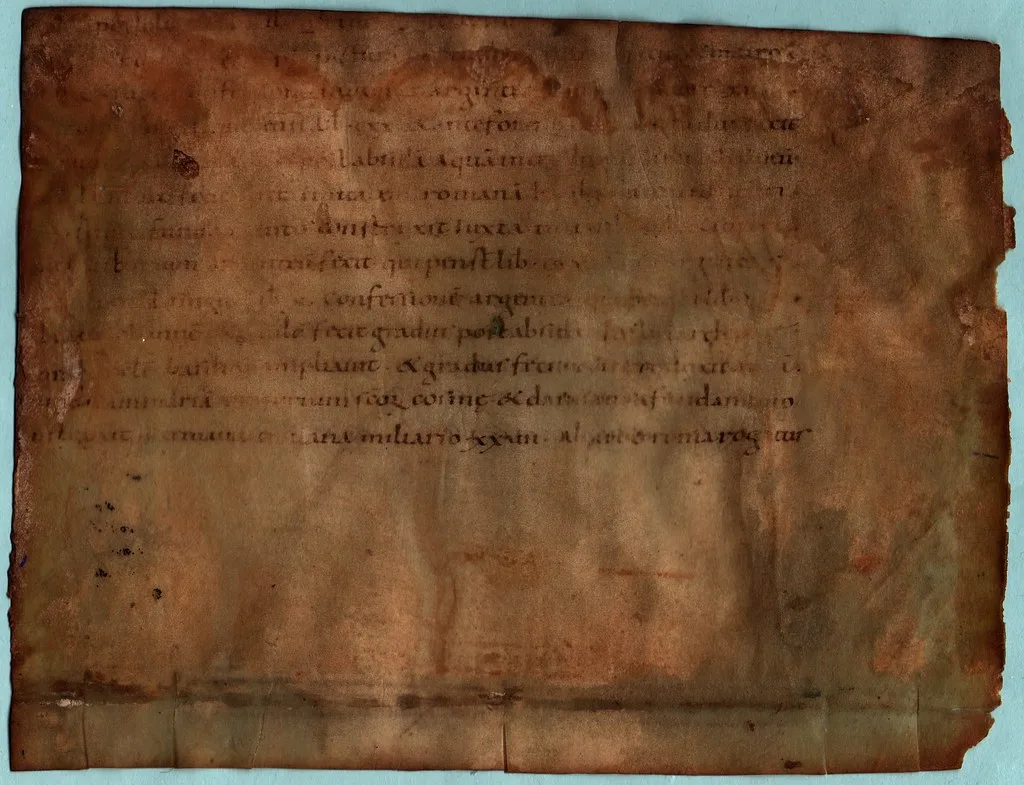
Researchers from University College Dublin (UCD) have identified a previously unrecognized English poem dating back to the 8th century, hidden within a medieval manuscript housed in the Vatican Library in Rome. This discovery, announced this week, marks a significant milestone in linguistic history, providing the earliest known example of English verse written in the Roman alphabet.
A Historical Context of Medieval Manuscripts
The discovery emerged from a broader project aimed at digitizing and analyzing obscure liturgical texts from the early Middle Ages. Scholars have long known that the Vatican Library holds an vast, largely uncatalogued collection of Anglo-Saxon documents, yet the sheer volume of material has kept many texts hidden in plain sight for centuries.
This specific manuscript, a liturgical calendar, contains a marginal note that researchers initially dismissed as a simple Latin gloss. Upon closer inspection using multispectral imaging techniques, the team realized the script was actually an Old English poem, predating previously known examples by decades.
Linguistic Significance and Research Methods
The poem offers a rare glimpse into the linguistic transition period of the early English language. Experts note that the text utilizes a mix of Northumbrian dialect, providing evidence of how regional vernaculars were being recorded by scribes long before the standardization of Middle English.
“This find forces us to reconsider the timeline of literacy and vernacular expression in the British Isles,” said Dr. Elva O’Malley, a lead researcher on the UCD team. “It suggests that English was being used for creative or mnemonic purposes in formal, high-status contexts much earlier than the traditional historical record indicates.”
Data gathered during the analysis shows that the poem follows a rigid alliterative meter, a hallmark of Germanic oral tradition. By comparing the linguistic structure to other known fragments from the period, researchers were able to confirm the text’s provenance and approximate age.
Implications for Future Historical Research
The discovery shifts the understanding of how information traveled between the British Isles and the intellectual centers of Europe during the early medieval period. It underscores the importance of the Vatican’s archives as a repository for English history, suggesting that more discoveries of this nature may be waiting to be found.
For the academic community, this find serves as a catalyst for renewed investment in digital humanities and non-invasive imaging technologies. These tools are becoming essential for identifying hidden layers of ink or faded marginalia that were once considered illegible.
Looking ahead, historians and linguists are now focusing on the remaining uncatalogued pages of the same manuscript. The goal is to determine if the poem is an isolated instance of vernacular writing or part of a larger, lost tradition of English verse that was transcribed into Roman-era liturgical books.