





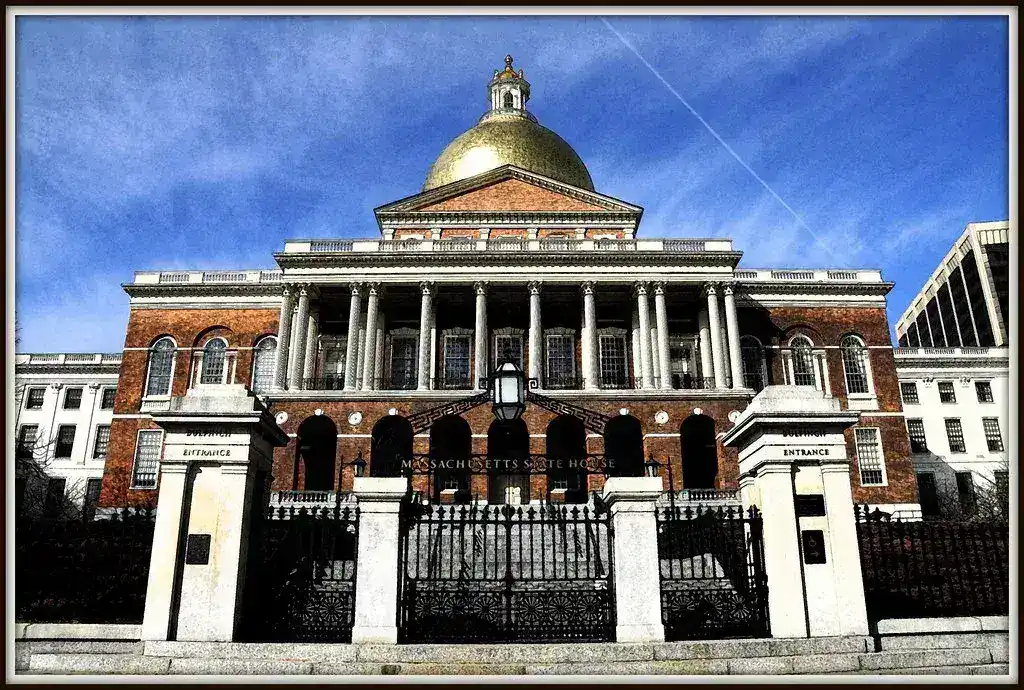
Legislative Shift on Shutdown Pay
The United States Senate voted Thursday to withhold pay for members of Congress during future government shutdowns, a move aimed at aligning legislator income with the status of federal operations. This bipartisan decision arrives as federal lawmakers seek to mitigate the political fallout often associated with funding lapses that halt government services.
Historically, members of Congress continued to receive their salaries even when federal agencies were shuttered, a practice that frequently drew public criticism. By mandating that paychecks be suspended during these gaps, proponents argue the legislation creates a direct incentive for lawmakers to reach budget agreements before deadlines pass.
Public Health and Global Instability
In addition to domestic legislative action, the Centers for Disease Control and Prevention (CDC) announced that 41 individuals across the United States are currently under active monitoring for hantavirus. The agency is tracking these cases closely to prevent potential outbreaks of the rare but serious respiratory disease, which is typically transmitted through contact with infected rodents.
Simultaneously, international observers are monitoring rare civil unrest in Cuba. Citizens have taken to the streets in several regions to protest severe fuel shortages and persistent, widespread power outages. These demonstrations represent a significant challenge to the local administration as the country grapples with a deepening economic crisis and infrastructure failure.
Cultural Loss and Industry Impact
The music world mourns the loss of soul legend Clarence Carter, who passed away this week. Known for his distinctive voice and hits like ‘Patches’ and ‘Slip Away,’ Carter was a pivotal figure in the Southern soul genre during the 1960s and 70s. His death marks the end of an era for a generation of musicians who defined the sound of the American South.
Broader Implications for Governance
The Senate’s decision to forgo pay during shutdowns could fundamentally alter the dynamics of budget negotiations on Capitol Hill. By removing the financial insulation that previously protected members during fiscal gridlock, leadership hopes to foster a greater sense of urgency in avoiding long-term government closures. Analysts suggest this could lead to more frequent short-term continuing resolutions as lawmakers attempt to avoid the new penalty.
However, critics of the measure warn that such policies may disproportionately affect junior members or those without significant personal wealth, potentially influencing who chooses to run for office. Moving forward, observers will watch to see if this policy change actually results in a reduction of shutdown frequency or if political polarization remains the primary driver of legislative stalls. The international community will also continue to monitor the stability of the Cuban government as energy shortages persist, potentially leading to further shifts in regional policy and migration patterns.