





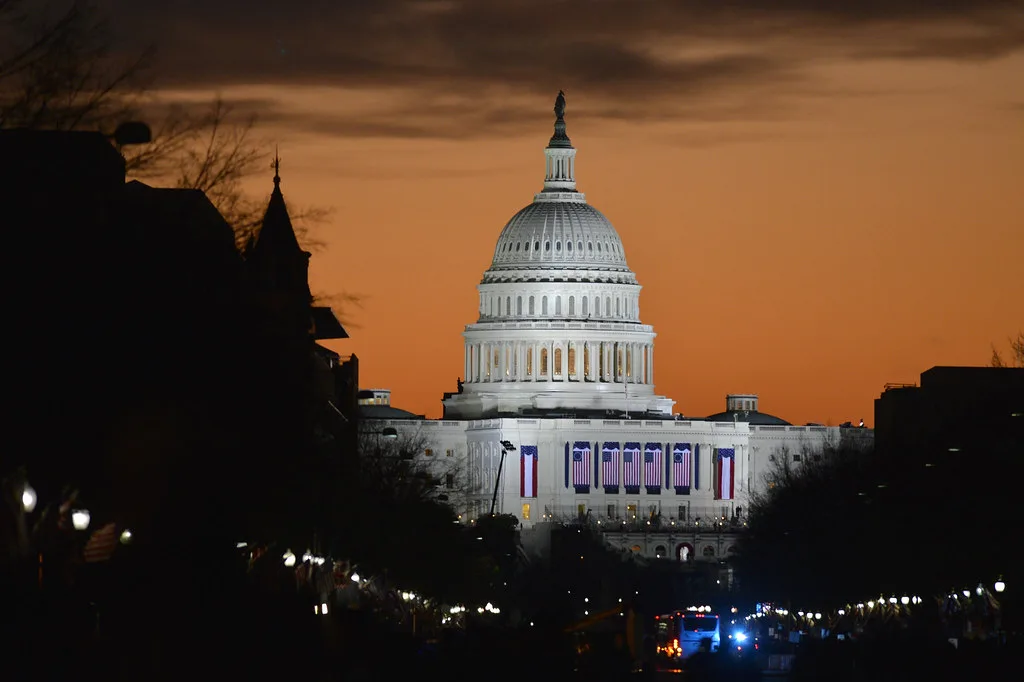
Legislative Shift on Shutdown Protocols
In a rare display of bipartisan consensus, the United States Senate voted on Thursday to mandate the withholding of congressional paychecks during any future government shutdowns. This legislative action, aimed at aligning the financial consequences of federal gridlock with the experiences of federal employees and contractors, marks a significant shift in how lawmakers approach the political theater of budget impasses.
Government shutdowns have historically functioned as blunt instruments of political leverage, frequently resulting in the suspension of non-essential services and the furloughing of hundreds of thousands of federal workers. By tying their own compensation to the operational status of the federal government, senators are signaling a response to long-standing public frustration regarding the disparity between congressional stability and the economic volatility forced upon the civil service.
The Context of Congressional Compensation
The concept of ‘no budget, no pay’ has circulated through the halls of Congress for years, often surfacing as a populist rallying cry during budget negotiations. Historically, members of Congress have continued to receive their full salaries even when agencies were shuttered, provided that the necessary appropriations legislation was eventually passed to authorize back pay for federal workers.
This new legislative mechanism seeks to remove that insulation. By ensuring that lawmakers are not immune to the financial disruptions caused by legislative failure, proponents argue that the policy creates a tangible incentive for leadership to reach agreements before fiscal deadlines expire. However, critics of the measure have previously noted that such policies may be challenged on constitutional grounds, specifically regarding the 27th Amendment, which limits the ability of Congress to change its own compensation.
Global and Public Health Developments
Beyond the legislative developments in Washington, the national landscape remains focused on a burgeoning public health concern. The Centers for Disease Control and Prevention (CDC) announced on Thursday that 41 individuals are currently under active monitoring for potential hantavirus exposure across the United States. While hantavirus is rare, it remains a severe respiratory illness transmitted through contact with infected rodents, and the CDC is coordinating with state health departments to conduct contact tracing and risk assessment.
Simultaneously, international observers are monitoring a period of intense civil unrest in Cuba. Rare and widespread protests have erupted across the island, driven by severe fuel shortages and persistent, crippling electrical blackouts. The demonstrations represent a notable escalation in public dissent as the Cuban government struggles to manage an energy sector plagued by aging infrastructure and limited access to global fuel markets.
Cultural Loss and Future Outlook
The cultural sphere also marked a significant loss this week with the death of soul music legend Clarence Carter. Known for his distinctive voice and hits like ‘Patches’ and ‘Slip Away,’ Carter was a pivotal figure in the Southern soul movement, influencing generations of rhythm and blues artists with his storytelling and composition style.
Looking ahead, the Senate’s decision to withhold pay will face rigorous scrutiny as it moves through the legislative process, with observers watching to see if the House of Representatives adopts a similar stance. Furthermore, the effectiveness of the CDC’s monitoring protocols for hantavirus will be evaluated in the coming weeks to determine if the current scope of exposure warrants further public health advisories. As energy instability continues to challenge the Cuban government and the nation mourns the passing of a musical icon, the intersection of domestic legislative reform and international volatility will remain a focal point for policymakers and the public alike.