




The Escalation in the Capital
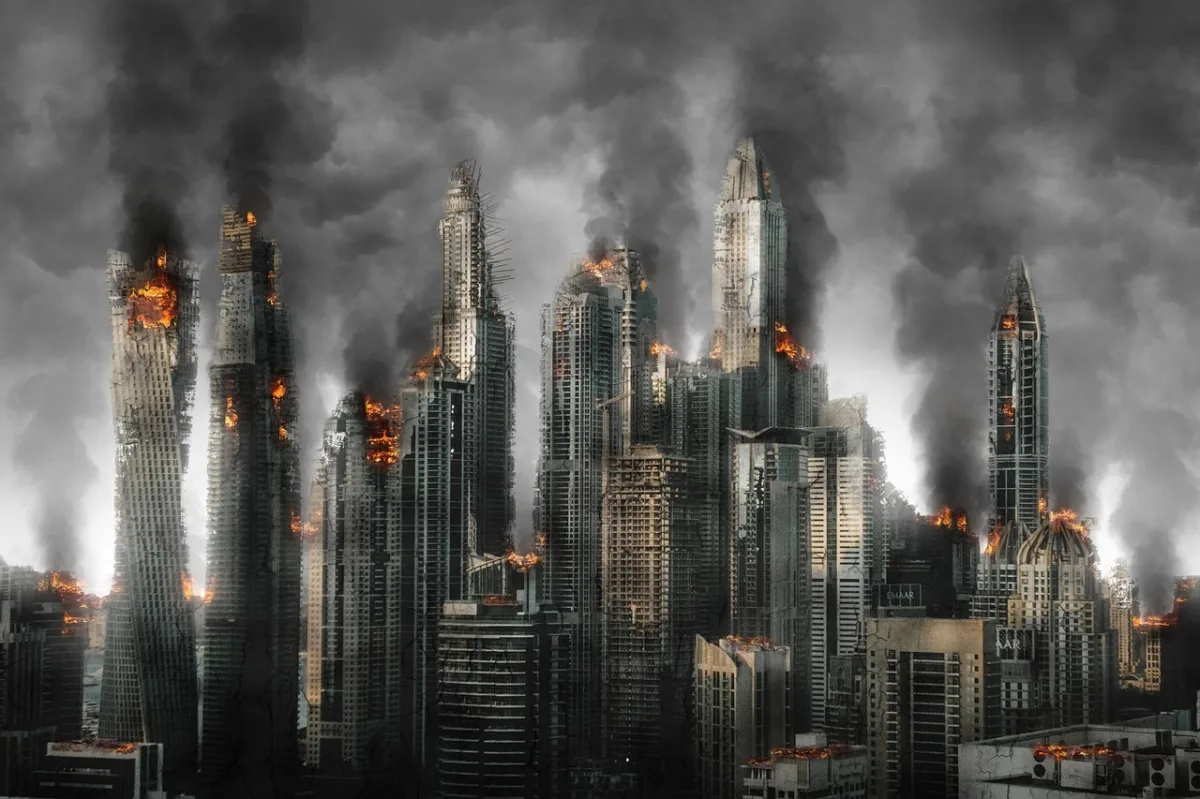
Russian forces launched a massive aerial bombardment against Kyiv this week, intensifying strikes on the Ukrainian capital while their ground offensive in the eastern Donbas region grinds to a near-total halt. Military analysts confirm that Ukraine’s tactical disruption of Russian supply chains has successfully severed the flow of essential munitions and fuel to the front lines, forcing a shift in Moscow’s operational strategy.
Context of the Conflict
The current phase of the war marks a significant pivot point in the long-standing conflict. After months of grinding territorial gains in the east, Russian logistics have faced increasing pressure from Ukrainian long-range strikes and innovative sabotage operations.
By targeting fuel depots, rail junctions, and ammunition storage facilities deep behind enemy lines, Ukrainian forces have systematically degraded the Russian army’s ability to maintain high-tempo mechanized maneuvers. This logistical bottleneck has left Russian infantry units stalled in open terrain, unable to sustain the momentum required for significant breakthroughs.
Tactical Shifts and Logistical Warfare
The shift toward aerial bombardment of Kyiv serves as a strategic pivot for the Kremlin. Unable to achieve decisive results on the eastern front, Russian command has pivoted to a campaign of attrition aimed at degrading Ukraine’s energy infrastructure and civilian morale.
Defense experts note that the Russian military is struggling to adapt to the decentralized, intelligence-driven warfare favored by the Ukrainian armed forces. Modern drone technology and Western-supplied precision artillery have allowed Kyiv to identify and destroy high-value logistical targets with unprecedented speed.
Data from independent military observers suggests that Russian tactical units are currently operating at less than 60 percent of their intended fuel capacity in several sectors of the Donetsk region. This deficit has effectively neutralized the advantage of heavy armor, turning the conflict into a static, artillery-heavy engagement.
Expert Perspectives
“The Russian military is currently facing a classic logistical crisis,” says Dr. Elena Vance, a senior fellow at the Center for Strategic Defense Studies. “When you cannot move fuel, you cannot move tanks. When you cannot move tanks, you lose the ability to hold ground in a conventional war of maneuver.”
Other analysts point out that while the Russian advance has slowed, the threat remains acute. The reliance on long-range missile strikes indicates a transition toward a protracted war of attrition. According to recent intelligence reports, the depletion of Russian precision-guided munitions is forcing the military to utilize older, less accurate stockpile weaponry, which increases the risk of collateral damage in urban centers.
Industry and Future Implications
For the broader geopolitical landscape, the current state of the conflict underscores the critical importance of supply chain resilience in modern warfare. The inability of the Russian military to secure its rear areas suggests a systemic failure in logistical planning that may have long-term consequences for their operational readiness.
Looking ahead, observers should monitor the status of the upcoming winter season, which is expected to further complicate logistics for both sides. The sustained success of Ukraine’s disruption campaign will likely dictate whether the front lines remain static or if Kyiv can reclaim occupied territory. Attention will also focus on international aid packages, specifically the delivery of advanced air defense systems, which remain the primary factor in mitigating the impact of Russia’s aerial campaign against Ukrainian population centers.