




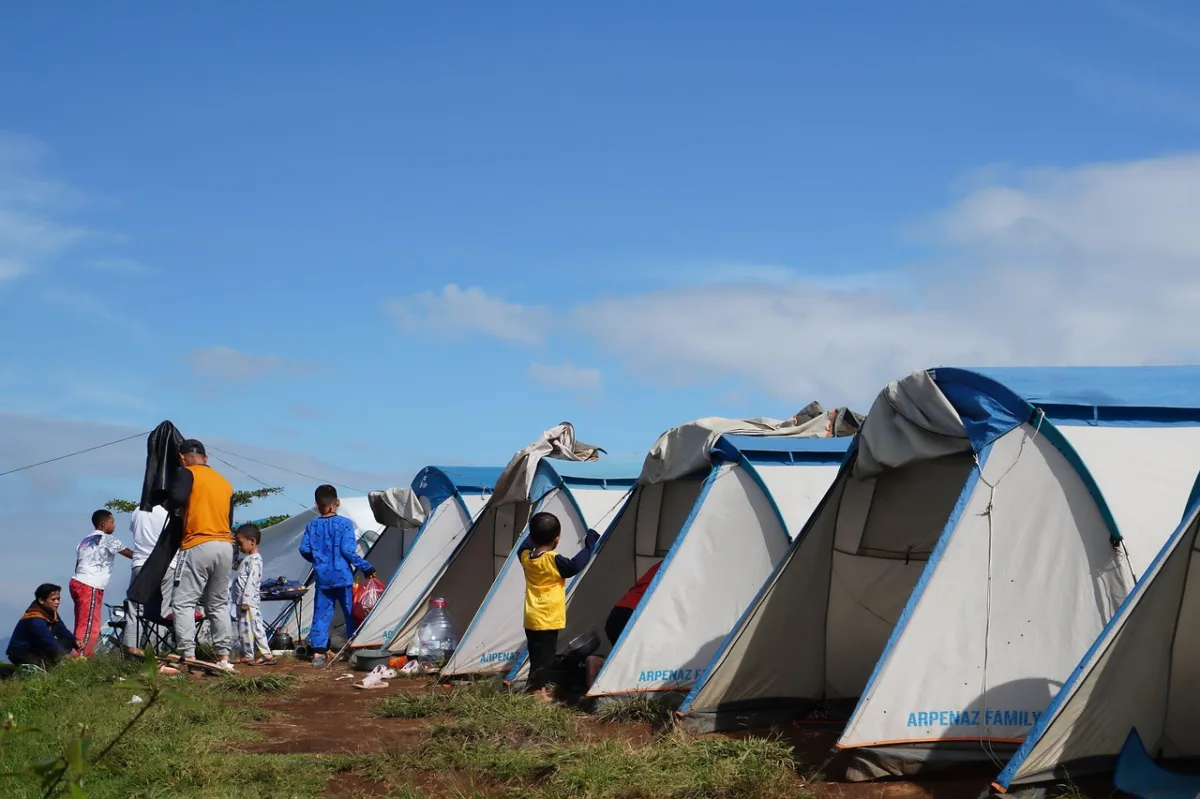
The Sudanese Armed Forces (SAF) have launched significant military advances in the Blue Nile state this week, intensifying a localized conflict that has triggered a fresh wave of mass displacement. As government troops push into territory previously held by rival factions, thousands of civilians have been forced to flee their homes, seeking sanctuary in already strained displacement camps near the regional capital, Ed Damazin.
Context of the Blue Nile Conflict
The Blue Nile state has long been a flashpoint for ethnic and political tensions in Sudan, characterized by a complex history of insurgency and power struggles. This region, bordering Ethiopia and South Sudan, serves as a critical strategic asset due to its agricultural potential and proximity to major infrastructure projects like the Roseires Dam.
Following the broader nationwide collapse of order that began in April 2023, the Blue Nile region has seen a resurgence of localized violence. Ethnic militias and various rebel groups have frequently clashed with the national military, creating a volatile landscape where civilian safety remains a secondary concern to territorial control.
Humanitarian Impact and Overcrowding
International aid organizations report that the recent military escalation has created an immediate humanitarian vacuum. Families arriving at displacement sites describe harrowing journeys on foot, often leaving behind all personal belongings to escape the path of advancing artillery and infantry.
The influx of new arrivals has overwhelmed the existing infrastructure at local camps. Sanitation facilities are failing, and food supplies, already limited by supply chain disruptions caused by the national conflict, are reaching critical lows.
According to data from the International Organization for Migration (IOM), the region is currently grappling with a 30 percent increase in displaced populations compared to the previous quarter. Health officials on the ground warn of potential disease outbreaks, citing the lack of clean water and the density of makeshift shelters as primary catalysts for public health emergencies.
Military Dynamics and Strategic Objectives
Military analysts suggest that the SAF’s push in the Blue Nile is part of a broader tactical effort to consolidate control over rural supply routes. By securing key junctions in the state, the army aims to restrict the movement of opposing forces and solidify its presence in the southeastern corridor of the country.
However, these gains come at a high cost to the internal stability of the region. Experts from the Conflict Armament Research group note that the use of heavy weaponry in densely populated rural areas often results in high collateral damage, further fueling resentment among local populations and complicating potential peace negotiations.
Future Implications for the Region
The continued militarization of the Blue Nile state signals a prolonged period of instability for the civilian population. As the rainy season approaches, the movement of aid convoys will become increasingly difficult, threatening to isolate newly displaced communities from essential life-saving resources.
Observers are now watching for any signs of a localized ceasefire or the establishment of humanitarian corridors that could allow for the safe passage of civilians. The international community remains focused on whether the military’s tactical momentum will lead to a decisive shift in the national conflict or simply further entrench the cycle of displacement and regional instability.