





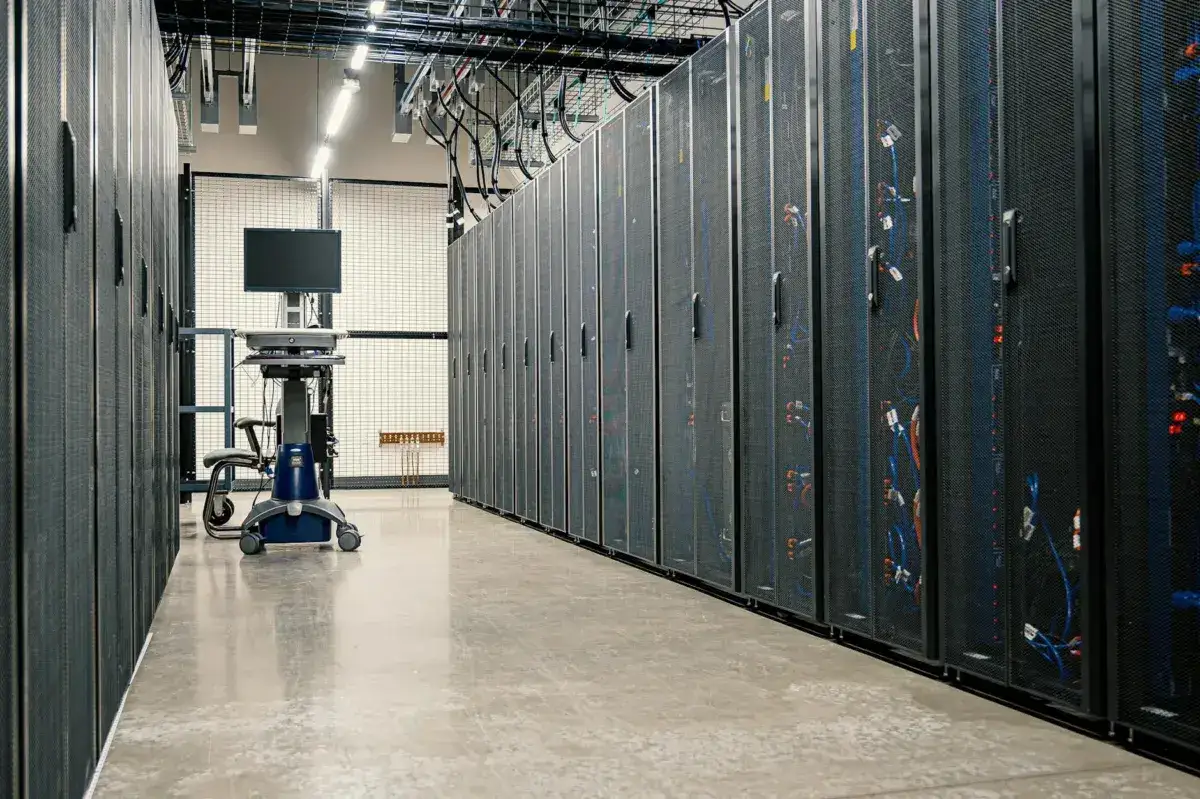
Tata Consultancy Services (TCS), India’s largest IT services exporter, announced this week a strategic shift toward developing specialized, industry-specific artificial intelligence systems while simultaneously launching the construction of the country’s first high-density AI data center. Chairman N. Chandrasekaran confirmed the move during the company’s recent annual general meeting, marking a definitive pivot as the firm repositions itself as a primary global partner for AI-driven digital transformation.
The Shift Toward Specialized AI
The decision to focus on industry-specific AI models signifies a move away from generic, one-size-fits-all solutions. TCS aims to embed deep vertical expertise into its AI framework, tailoring applications for sectors such as banking, manufacturing, and healthcare.
By leveraging its decades of institutional knowledge, the company intends to create models that understand the nuances of specific business processes. This approach is designed to increase the accuracy and reliability of AI deployments for enterprise clients who are currently wary of the hallucinations associated with broader, public-facing generative AI tools.
Building High-Density Infrastructure
Central to this new strategy is the development of a state-of-the-art high-density AI data center within India. As AI models grow in complexity, they require significantly more computing power and cooling capacity than traditional cloud infrastructure.
Traditional data centers often struggle to manage the thermal output and power requirements of the latest high-performance GPUs. By constructing a facility optimized for high-density compute, TCS ensures it can support the heavy workloads required for large-scale model training and real-time inference.
Market Context and Industry Competition
The IT services industry is currently navigating a period of rapid transition, with clients shifting budgets from traditional legacy maintenance toward AI modernization. Recent data from Gartner indicates that global IT spending is increasingly concentrated on software and IT services, with AI investment serving as the primary driver for growth in 2024.
TCS is not alone in this pursuit. Global competitors like Accenture and Infosys have also aggressively increased their AI-related service offerings. However, TCS’s decision to own and operate specialized infrastructure provides a distinct point of differentiation in a crowded market.
Expert Perspectives
Industry analysts suggest that the integration of hardware and software is a logical evolution for a company of TCS’s scale. By controlling the infrastructure layer, TCS can provide its clients with a more secure, sovereign, and efficient AI stack.