




The Missed Opportunity for Legislative Oversight
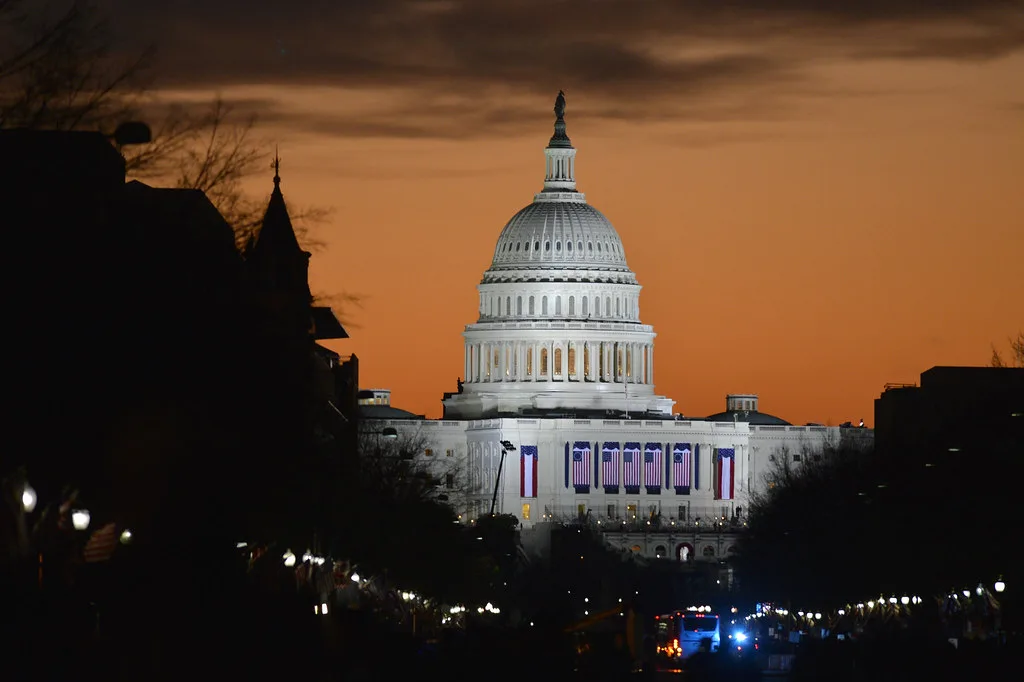
Republican lawmakers in Washington, who spent months maintaining a stance of deference toward the White House, now find themselves with limited options to influence U.S. military posture regarding Iran. As tensions have escalated, the window for G.O.P. legislators to impose meaningful constraints on presidential war powers appears to have closed, leaving Congress struggling to establish clear exit criteria or operational parameters.
The Context of Congressional Reluctance
For much of the current term, the Republican-led legislative strategy focused on supporting the executive branch’s “maximum pressure” campaign. By prioritizing party unity over institutional oversight, many lawmakers opted to avoid public challenges to the president’s foreign policy directives. This political alignment effectively sidelined traditional checks and balances, as key milestones for debate on the Authorization for Use of Military Force (AUMF) passed with little formal intervention.
The Legislative Handcuffs
The current impasse stems from a strategic decision to avoid public friction with the administration during critical periods of diplomatic and military maneuvering. Political analysts suggest that by failing to demand congressional sign-off when the administration initiated its initial escalations, lawmakers effectively ceded their constitutional authority. Now, as the situation grows more complex, the legal and procedural hurdles to reasserting control are significantly higher.
Senate and House members who are now attempting to pivot toward a more restrictive stance face significant pushback from party leadership. The executive branch maintains that the current legal framework provides sufficient latitude to act, and there is little appetite within the party to force a confrontation that could be framed as a domestic political rift. This has created a vacuum where executive action remains largely unchecked by legislative mandate.
Expert Perspectives on Executive Power
Constitutional scholars argue that the erosion of congressional war powers is a multi-decade trend, but the recent situation marks a distinct acceleration. According to data from the Congressional Research Service, the frequency of formal declarations of war has plummeted, replaced by a reliance on broad interpretations of existing authorizations. Experts note that when Congress chooses not to utilize its power of the purse or its oversight authority during the early stages of a conflict, it becomes increasingly difficult to regain that leverage once the military machinery is in motion.
Legislative analysts point out that the inability to define “exit criteria” is a direct consequence of this delayed engagement. Without a clear congressional mandate that defines the scope of mission success or failure, the executive branch operates with a “blank check” that complicates long-term strategic planning. This lack of clear parameters leaves the U.S. vulnerable to mission creep and protracted involvement in the region.
Implications for Future Policy
The current situation serves as a cautionary tale for the legislative branch regarding the long-term costs of political expediency. For the industry and the public, this suggests that the U.S. foreign policy trajectory will remain highly centralized within the White House, with little prospect for significant congressional intervention in the near term. As global observers monitor the situation, the primary concern remains the lack of a defined endpoint for U.S. presence in the region.
Looking ahead, observers are closely watching the upcoming budget cycles to see if there is any movement to use funding restrictions as a proxy for war-powers oversight. While direct legislative challenges to the president’s authority appear stalled, the battle for control may shift toward the appropriations process, where individual members might attempt to attach riders that limit the deployment of resources. Whether these efforts gain traction remains to be seen, but the reliance on fiscal levers underscores the diminished state of traditional oversight mechanisms.