




Thousands of urban trekkers converged on the waterfronts of New York City this past weekend for the Great Saunter, an annual 32-mile circumnavigation of Manhattan that has transformed from a niche hobbyist event into a massive logistical challenge. What began as a modest gathering for dedicated pedestrian enthusiasts has exploded in popularity, leaving organizers struggling to manage record-breaking crowds while navigating increasingly congested city infrastructure.
The Evolution of a City Tradition
The Great Saunter traces its roots back to the early 1980s, when a small group of walkers sought to explore the entirety of the island’s perimeter. For decades, the event remained a quiet, invitation-style outing that celebrated the architectural and historical diversity of Manhattan’s waterfront.
In recent years, however, social media exposure and a growing interest in urban exploration have pushed participation into the thousands. This surge in popularity has tested the limits of the route, which winds through public parks, industrial zones, and high-traffic pedestrian corridors.
Logistical Hurdles and Growing Pains
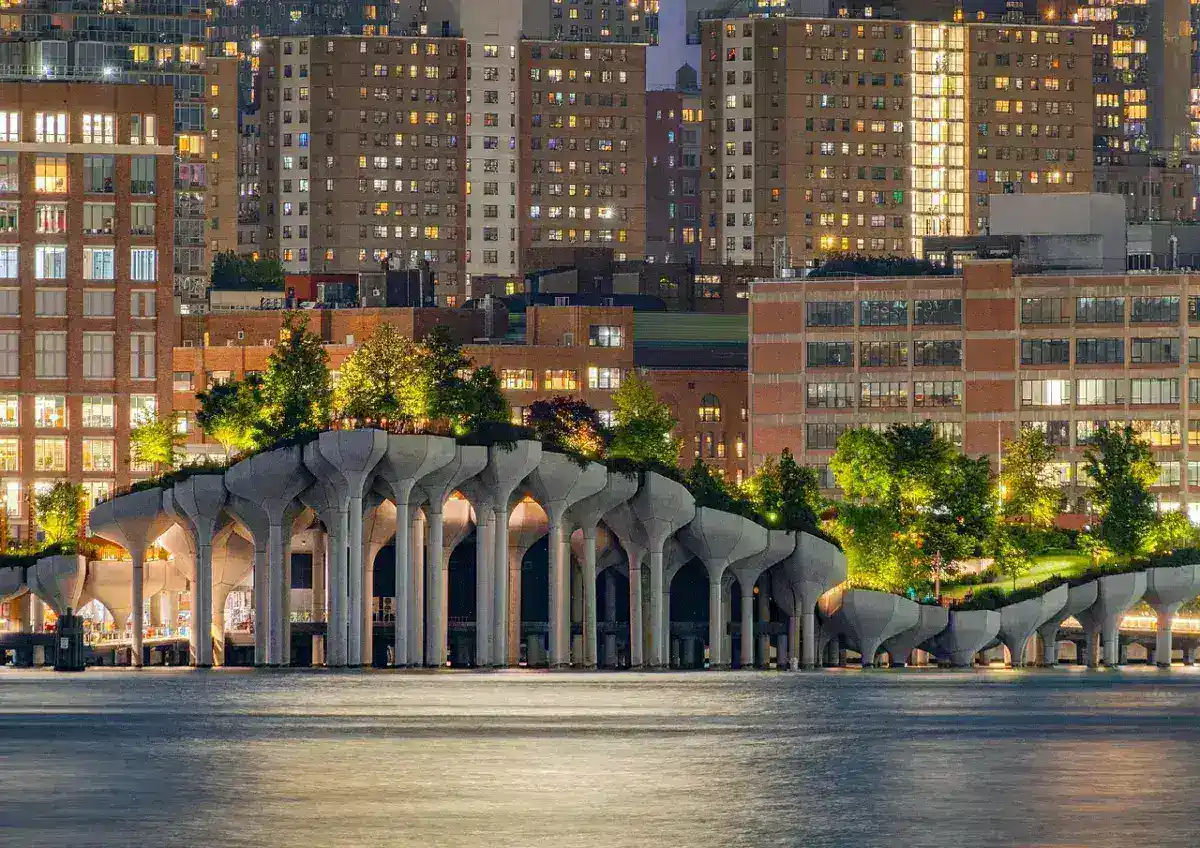
The sheer volume of participants has created significant friction points for event organizers and city officials. Maintaining a cohesive group along the narrow paths of the East River Greenway and the busy piers of the Hudson River Park has become an increasingly daunting task.
Organizers report that crowd control is now a primary concern, as walkers often spill out of designated paths and disrupt local traffic. Concerns regarding sanitation, hydration station capacity, and emergency access have forced the event to rethink its decentralized structure to avoid overwhelming public resources.
Economic and Social Impacts
Data from local business associations suggest that the influx of walkers provides a measurable boost to waterfront cafes and vendors. However, city planners point to the wear and tear on public infrastructure as a hidden cost of the event’s newfound fame.
Urban planning expert Dr. Elena Rossi notes that the Saunter represents a broader shift in how residents interact with city space. “The demand for accessible, non-motorized infrastructure is higher than ever, yet our current greenway systems were not designed to accommodate mass-participation events of this scale,” Rossi states.
Looking Toward the Future
As the Great Saunter continues to grow, the conversation has shifted toward sustainability and regulation. Organizers are currently exploring tiered start times to mitigate bottlenecks, while city officials are considering permit requirements to better manage the impact on public parkland.
Observers should watch for potential partnerships between the event organizers and the New York City Department of Parks and Recreation to formalize the route’s maintenance. Whether the Saunter remains a free-form community event or transitions into a highly regulated marathon-style production will define the future of Manhattan’s most ambitious walking tradition.


