





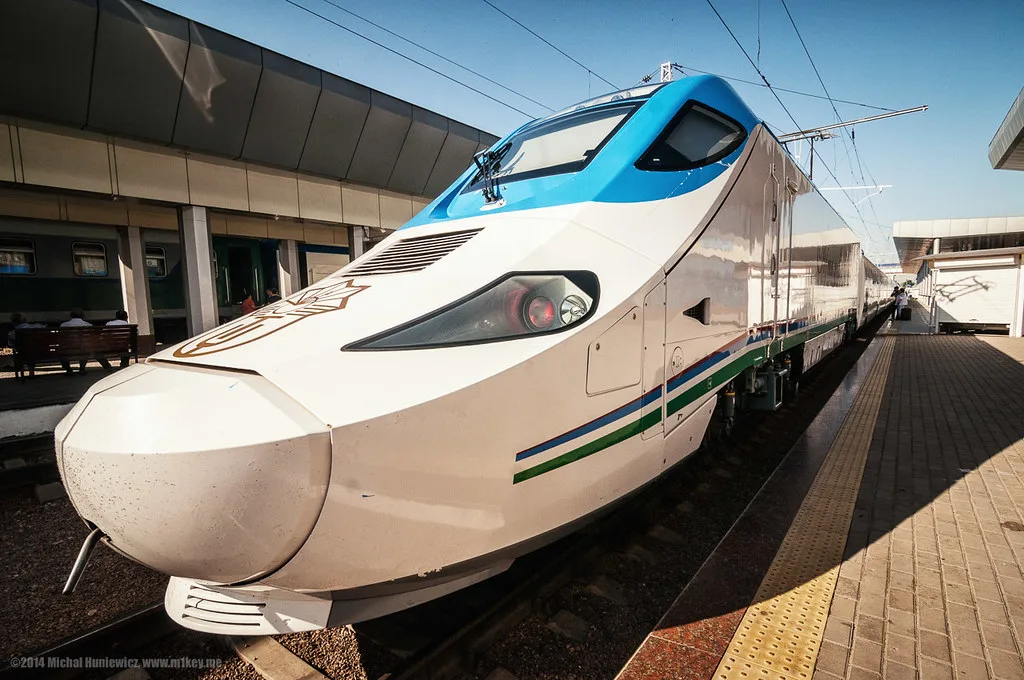
The Global Expansion of High-Speed Rail
While high-speed rail networks have become the backbone of modern transportation across Europe and Asia over the last five decades, the United States remains a glaring outlier in the global landscape. As nations from Japan to Spain continue to expand their electrified, high-velocity infrastructure, American rail travel remains largely defined by aging tracks, diesel-powered locomotives, and limited geographic connectivity.
A Half-Century of Global Progress
The modern era of high-speed rail began in 1964 with the launch of Japan’s Shinkansen, which revolutionized travel between Tokyo and Osaka. Since that milestone, the technology has proliferated across the globe, with China now boasting the world’s largest network, spanning over 25,000 miles of track. These systems have fundamentally altered regional economies by enabling rapid commutes between major urban hubs and reducing reliance on short-haul aviation.
The American Infrastructure Paradox
In the United States, the development of similar infrastructure has faced persistent hurdles, ranging from fragmented land ownership to a historical prioritization of interstate highways and air travel. Unlike the centralized planning models seen in France or China, American rail projects must navigate a complex web of state regulations, environmental reviews, and private freight rail ownership. Most Amtrak routes currently operate on tracks owned by freight companies, which inherently limits the speed and reliability of passenger service.
Economic and Environmental Perspectives
Industry analysts suggest that the absence of high-speed options carries significant economic and environmental costs. A report by the International Union of Railways indicates that high-speed rail is one of the most energy-efficient modes of transport, producing significantly lower carbon emissions per passenger than regional flights or private automobiles. Proponents argue that the lack of such infrastructure forces American travelers into carbon-intensive transit, stalling potential progress toward national climate goals.
The Road Ahead for U.S. Transit
Recent federal initiatives, including the Bipartisan Infrastructure Law, have injected billions into passenger rail improvements, signaling a potential shift in national priorities. Projects like the Brightline West initiative, which aims to connect Las Vegas and Southern California, represent a new model of private-public partnership that could serve as a blueprint for future expansion. However, the path to a truly national high-speed network remains fraught with high capital costs and political friction.
Future Outlook and Industry Shifts
Observers are closely watching the development of the California High-Speed Rail project, which, despite significant budget overruns and delays, serves as the most ambitious attempt to bring true high-speed transit to the U.S. market. The success or failure of this project will likely determine whether private investors and public agencies continue to commit to large-scale rail infrastructure in the coming decade. As the world moves toward more integrated, electrified transit solutions, the U.S. faces a critical juncture in deciding whether to modernize its aging rail corridors or continue to rely on a transportation model established in the mid-20th century.