





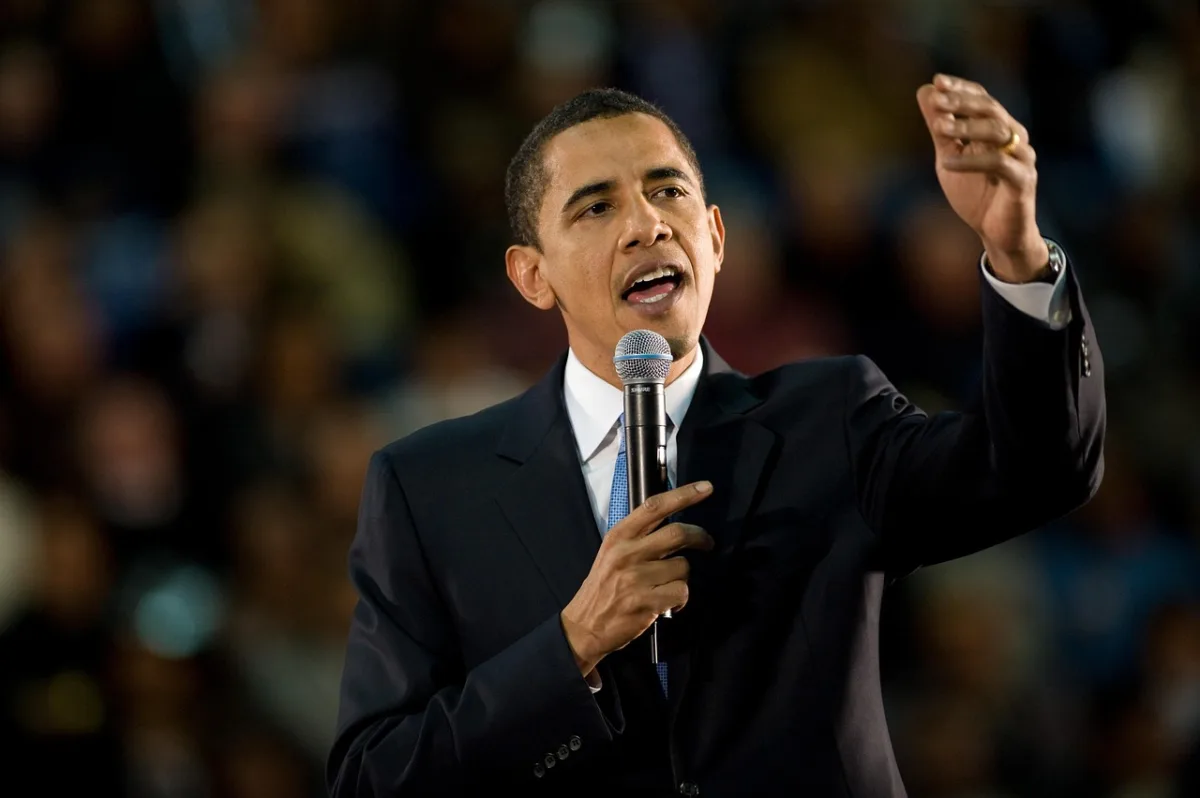
The Rise of the Televised Candidate
In a significant shift for American governance, a new wave of reality television stars is increasingly seeking elected office, with Transportation Secretary Sean Duffy and his family preparing to launch a new program ahead of the nation’s 250th anniversary. This trend, which sees figures transitioning from scripted and unscripted entertainment to the halls of power, is fundamentally altering how political campaigns are managed, funded, and perceived by the American electorate.
The Evolution of Political Celebrity
The intersection of celebrity culture and political ambition is not entirely new, yet the current influx of reality stars represents a departure from traditional political pathways. Historically, candidates built their profiles through local party infrastructure, legal careers, or civic activism, but modern contenders often leverage established fan bases and pre-existing public familiarity to bypass traditional barriers to entry.
Sean Duffy’s journey serves as a primary case study for this phenomenon, tracing a path from his 1990s MTV appearances to his current role in the federal government. By utilizing the media landscape as a springboard, these candidates arrive on the campaign trail with an innate understanding of narrative control and audience engagement that traditional politicians often struggle to replicate.
Strategic Advantages and Voter Engagement
Campaign experts note that candidates with reality TV backgrounds possess a distinct advantage in the digital age: the ability to command attention in a crowded media environment. These individuals are adept at crafting personal brands that feel accessible and authentic to viewers who have followed their personal lives for years.
According to data from the Pew Research Center, public trust in traditional institutions remains near historic lows, creating a vacuum that personality-driven candidates are eager to fill. By framing their political platforms as a continuation of their personal narratives, these candidates often enjoy higher name recognition than their opponents, which translates directly into lower initial advertising costs and higher engagement metrics on social media platforms.
Data-Driven Populism
The success of these candidates is often tied to their ability to mobilize niche demographics. While political consultants once relied on broad demographic targeting, reality TV stars utilize data-driven insights from their previous fan interactions to tailor messages that resonate with specific subsets of the population.
Dr. Sarah Jenkins, a political sociologist, suggests that this trend reflects a broader shift toward ‘infotainment’ in the political sphere. ‘The barrier between the performer and the policymaker is eroding,’ Jenkins states, noting that voters are increasingly prioritizing relatability and screen presence over traditional legislative resumes.
Implications for the Future of Governance
As more reality stars enter the political arena, the industry faces a transformation in how campaigns are structured. The focus is shifting toward viral potential and narrative-driven storytelling, potentially forcing traditional politicians to adopt more performative strategies to remain competitive.
Critics warn that this trend could prioritize style over substance, potentially complicating the legislative process. However, proponents argue that these candidates bring a necessary infusion of energy and a unique ability to bridge the gap between complex policy issues and the daily lives of their constituents.
Moving forward, analysts are closely monitoring whether this trend will lead to a more responsive government or if it will further deepen the spectacle of American politics. Observers should watch for how upcoming election cycles handle the influx of media-savvy candidates and whether the traditional party establishment will continue to integrate these figures into their ranks or seek to counter the influence of celebrity-driven campaigns.