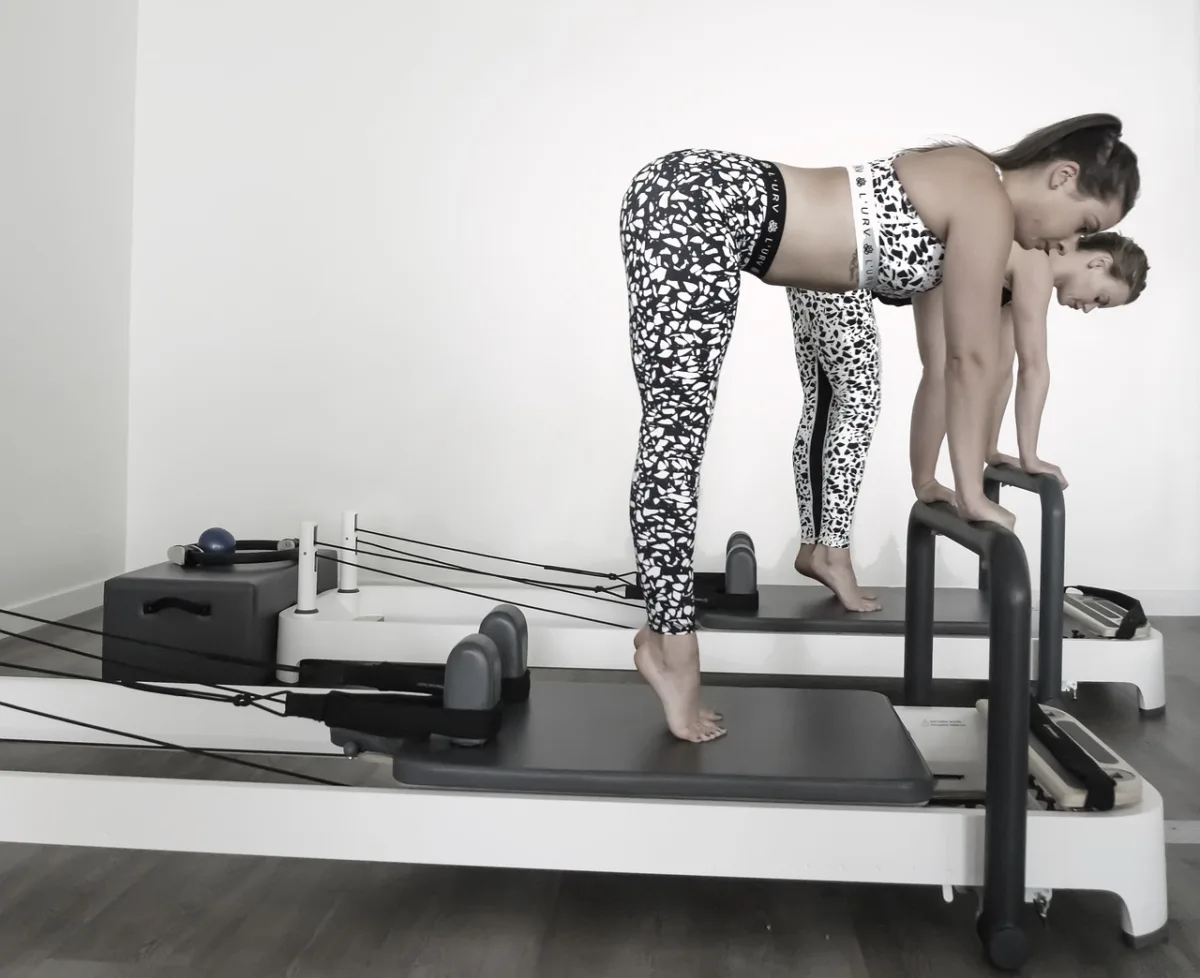






A growing demographic of women across India is fundamentally altering the nation’s fitness landscape by trading traditional cardio routines for heavy strength training. As of 2024, urban centers from Mumbai to Bengaluru are witnessing a surge in female participation within gym weight rooms, a space historically dominated by men. Driven by a shift in health priorities and a desire for functional longevity, these women are increasingly prioritizing barbell training, progressive overload, and high-protein nutrition over conventional weight-loss-focused exercise.
The Evolution of the Indian Gym Culture
For decades, the Indian fitness industry catered primarily to men focusing on hypertrophy, while women were largely relegated to treadmill rows and light aerobics classes. This cultural divide was reinforced by pervasive myths suggesting that lifting heavy weights would result in an overly muscular physique, a prospect many Indian women were encouraged to avoid.
However, the rise of digital wellness influencers and evidence-based fitness education has successfully challenged these misconceptions. Today, gyms are redesigning their floor plans to accommodate a more inclusive environment, reflecting a broader societal shift toward prioritizing bone density, metabolic health, and physical autonomy.
The Mechanics of the Shift
The modern Indian woman is approaching fitness with scientific rigor, moving beyond aesthetic goals to focus on performance metrics like pull-ups, deadlifts, and back squats. This shift is supported by a growing awareness of the long-term benefits of resistance training, particularly in combating lifestyle-related diseases such as PCOS, insulin resistance, and osteoporosis.
Data from leading fitness chains suggests that female membership in the ‘free weight’ sections of gyms has increased by nearly 40% over the last three years. This trend is further bolstered by the accessibility of online coaching, which allows women to follow structured strength programs that were previously unavailable or intimidating to access in local gym settings.
Expert Perspectives on Longevity
Physiotherapists and sports scientists emphasize that this trend is a critical intervention for public health. According to recent health reports, women are statistically more prone to sarcopenia—the age-related loss of muscle mass—if they do not engage in consistent resistance training throughout their adult lives.
“Strength training is not merely about muscle; it is about building a foundation for independent aging,” says Dr. Anjali Mehta, a sports medicine consultant. “By increasing protein intake and engaging in heavy lifting, women are effectively building a metabolic buffer against the hormonal changes that occur during midlife.”
Economic and Social Implications
The industry is responding to this demand with specialized equipment tailored for female anatomy and more inclusive gym policies. The surge in female lifters has also created a new market for high-protein dietary supplements and fitness apparel specifically designed for high-intensity movement, signaling a shift in consumer spending power.
Beyond the gym, this movement represents a reclamation of physical space. As more women occupy the squat racks and lifting platforms, the social stigma surrounding ‘muscular’ women is rapidly dissipating, replaced by a new appreciation for strength as a marker of health and confidence.
Future Trends and What to Watch
The coming years will likely see a professionalization of this trend, with an increase in female-led strength training certifications and community-based lifting clubs. Observers should look for the integration of strength training into corporate wellness programs and school physical education curricula, as the focus continues to shift from weight management to functional strength. As this demographic continues to grow, the industry must adapt to provide specialized, long-term training environments that cater to the evolving needs of women at every stage of life.