





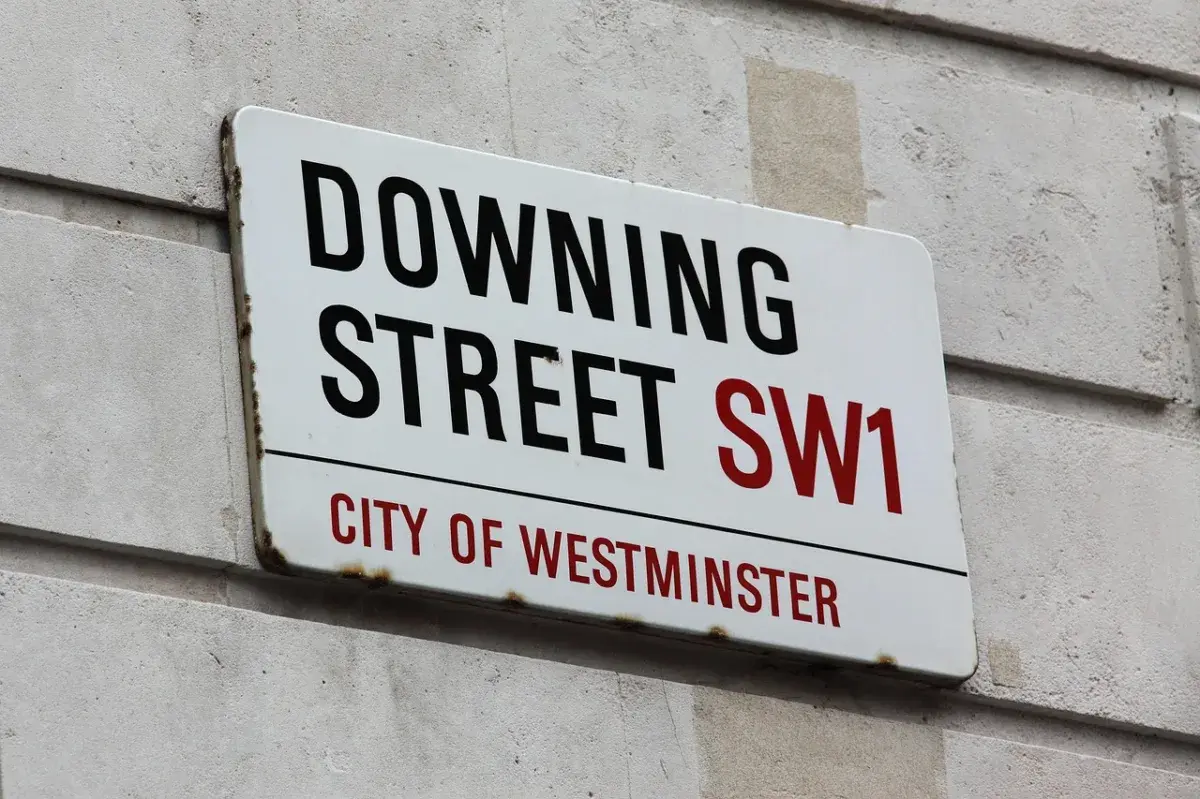
A Cycle of Political Instability
In the wake of rapid leadership turnover that has seen Britain cycle through five prime ministers in under a decade, political analysts are increasingly questioning whether the office itself has become ungovernable. From Theresa May to Rishi Sunak, and now under the nascent administration of Keir Starmer, a recurring pattern of policy paralysis, fiscal instability, and internal party rancor has defined the modern Downing Street era. This systemic volatility suggests that the challenges facing the United Kingdom may transcend individual leadership failures, pointing instead to a deeper, structural inability to execute long-term governance.
Historical Parallels and Structural Decay
The current state of British politics draws unsettling comparisons to the French Fourth Republic between 1946 and 1958. During that period, France suffered from chronic cabinet instability, the postponement of strategic decision-making, and a political climate defined more by factional rivalry than effective administration. Much like the British experience today, the French government of that era found itself unable to address fundamental reforms in social security or taxation, ultimately leading to a collapse of public confidence and the eventual transition to a stronger executive model under Charles de Gaulle.
The Anatomy of Policy Paralysis
Modern British governance is increasingly hampered by a combination of entrenched vested interests and a hyper-polarized media environment. Significant efforts to rationalize the tax system or modernize social security are frequently announced with fanfare, only to be diluted or abandoned when faced with organized opposition from industry groups or populist pressure. This cycle of promise and retreat ensures that the most pressing national issues—ranging from infrastructure modernization to economic productivity—remain perpetually unresolved.
Expert Perspectives on Executive Authority
Constitutional experts note that the traditional British model of parliamentary sovereignty is struggling to reconcile with the demands of a high-speed, 24-hour news cycle. According to recent data from the Institute for Government, the average tenure of UK cabinet ministers has plummeted, leading to a ‘brain drain’ of institutional memory within departments. This lack of continuity prevents the long-term strategic planning necessary for economic stability, leaving the prime minister’s office reactive rather than proactive.
Implications for the Future
For the British public, this instability manifests as a profound disconnect between electoral outcomes and tangible policy results. The persistent inability of the government to deliver on major reforms suggests that the next phase of British politics will likely involve a debate over constitutional reform rather than mere policy adjustments. Observers should watch for emerging movements calling for a shift toward more robust, centralized executive powers or, conversely, increased devolution to bypass the perceived gridlock in Westminster.