





Mass Mobilization in Alabama
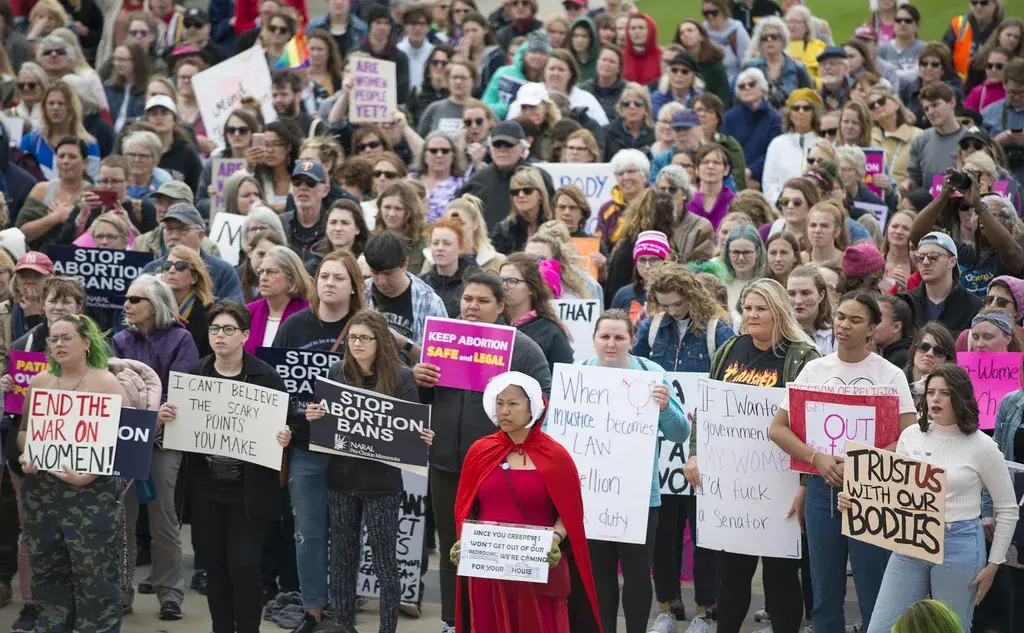
Thousands of demonstrators from across the United States converged on Montgomery, Alabama, this Saturday for the ‘All Roads Lead to the South’ rally. Organized by a coalition of civic engagement groups, the protest occurred directly outside the state capitol building to demand robust protections for Black voters in the wake of recent judicial decisions that have curtailed federal oversight of election laws.
Context of the Judicial Shift
The demonstration follows the Supreme Court’s ruling last month in Louisiana v. Callais. Legal scholars suggest the decision has effectively weakened the Voting Rights Act of 1965 by limiting the scope of protections against racial gerrymandering and discriminatory voting practices. This legislative erosion serves as the primary catalyst for the current wave of grassroots activism.
Historical Significance and Contemporary Tensions
The choice of venue carries profound historical weight, as the plaza stands as a monument to the 1965 Selma to Montgomery marches. Participants drew direct parallels between the historic struggle for enfranchisement and the modern challenges posed by what organizers describe as ‘racist maps’ and restrictive voting policies. Speakers at the event emphasized that while legal landscapes shift, the movement for equitable representation remains deeply rooted in the state’s civil rights legacy.
Expert Perspectives on Electoral Integrity
Voting rights advocates argue that the recent court rulings create a vacuum in federal protection that leaves minority communities vulnerable to disenfranchisement. According to data from the Brennan Center for Justice, various states have introduced or passed dozens of restrictive voting measures since the Supreme Court’s earlier decision in Shelby County v. Holder, which removed key pre-clearance requirements for jurisdictions with histories of discrimination. Political analysts note that the current legal environment has shifted the burden of proof onto plaintiffs, making it increasingly difficult to challenge discriminatory redistricting in court.
Industry and Societal Implications
For the average voter, these legal developments mean that the battle for equitable access is increasingly moving toward state legislatures and local election boards. Industry observers expect a surge in litigation surrounding upcoming redistricting cycles, as advocacy groups attempt to navigate the new judicial standards set by the Supreme Court. The rally signals a broader shift toward localized advocacy, with organizations focusing on voter mobilization, education, and poll monitoring to offset the reduction in federal oversight.
Future Outlook
As the legal community continues to analyze the long-term impact of the Louisiana v. Callais decision, observers are watching for potential legislative responses at the federal level. Whether Congress will attempt to codify stronger protections or if the focus will remain entirely on state-level legal challenges remains the primary question. The coming months will likely see an intensification of efforts to register voters and build coalitions capable of challenging restrictive policies before they are fully implemented in the next election cycle.