





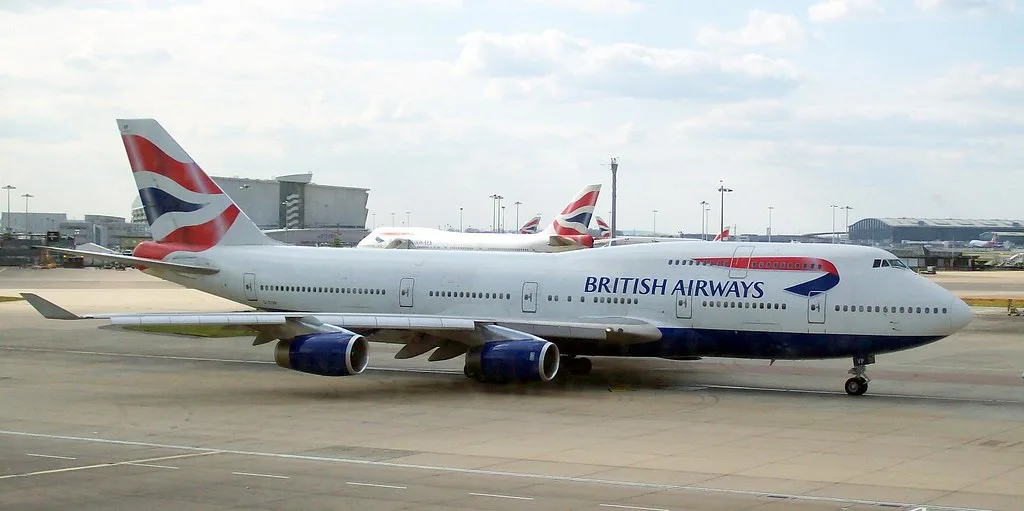
Former President Donald Trump announced on Friday that the Chinese government has agreed to purchase 200 Boeing aircraft, a figure that falls significantly below industry expectations and previous trade projections. The announcement, made during a campaign-style event, comes as global aviation markets closely monitor the fragile trade relationship between Washington and Beijing.
Neither the Chinese government nor Boeing have issued official statements confirming the existence or the details of this agreement. The lack of corporate or governmental verification has left analysts questioning the status of the order and the potential impact on Boeing’s long-term backlog.
The Context of US-China Aviation Trade
For years, the aerospace sector has served as a primary barometer for US-China economic relations. Boeing has historically relied on the Chinese market for a substantial portion of its commercial aircraft deliveries, viewing the country as a critical growth engine for the next two decades.
However, recent years have seen this relationship strained by geopolitical tensions, trade tariffs, and regulatory hurdles. The Chinese aviation authority, the Civil Aviation Administration of China (CAAC), has exercised increased scrutiny over American-made aircraft, leading to significant delays in deliveries for the 737 MAX and other models.
Market Reaction and Industry Scope
The figure of 200 planes represents a modest commitment compared to the massive bulk orders typical of the Chinese state-run airline industry. Market analysts suggest that if the order is confirmed, it may be intended as a strategic gesture rather than a comprehensive expansion of fleet capacity.
Industry experts note that Boeing faces stiff competition from European manufacturer Airbus, which has successfully secured large-scale orders from Chinese carriers during periods of relative US-China friction. Recent data from the aviation consultancy Cirium indicates that Airbus has consistently captured a larger share of the Chinese narrow-body market since 2019.
“The aviation industry functions on long-term certainty, and these fluctuations in order announcements create significant volatility for supply chain planning,” said an aviation market analyst at a leading logistics firm. Without a formal purchase contract, Boeing’s production lines in Renton and North Charleston continue to operate under a cloud of uncertainty regarding future output requirements.
Implications for the Aerospace Sector
For investors, the uncertainty surrounding this announcement highlights the risks inherent in relying on geopolitical negotiations to drive commercial sales. Boeing stock has experienced heightened sensitivity to trade-related headlines, often reacting sharply to shifts in the diplomatic climate.
For the broader aerospace supply chain, the implications are profound. Thousands of component manufacturers across the United States depend on the steady production cadence of major Boeing programs. If the 200-plane order remains unconfirmed or is limited in scope, suppliers may face challenges in forecasting demand for the upcoming fiscal years.
Moving forward, market observers will be watching for official filings from Boeing’s investor relations department or a formal announcement from the CAAC. Analysts suggest that the next few weeks will be critical in determining whether this announcement signals a thaw in aviation trade or if it remains a symbolic gesture with limited practical impact on global aircraft manufacturing volumes.